Ipomoea meyeri
NameIpomoea meyeri
Scientific NameIpomoea meyeri
Common NamesMeyer's Morning Glory, Small-flowered Morning Glory
Plant FamilyConvolvulaceae
Natural HabitatNative to tropical and subtropical regions of the Americas, it is often found in disturbed areas, roadsides, fields, and forest edges. It thrives in warm climates and well-drained soils.
Parts Usedseed,leaf
Medicinal Actionsdiuretic, nervine
Traditional UsesWhile not as extensively documented as some other *Ipomoea* species, the seeds of *Ipomoea meyeri* contain ergoline alkaloids and have been traditionally used by some indigenous cultures for their psychoactive properties in ritualistic contexts. In general, some *Ipomoea* species are traditionally used as purgatives or diuretics, and the leaves may be used topically for various ailments.
Active ConstituentsErgoline alkaloids, Lysergic Acid Amide (LSA), Ergine, Isoergine
Preparation Methodspowder, infusion
Contraindications & WarningsDue to the presence of ergoline alkaloids, consumption of seeds can cause nausea, vomiting, dizziness, hallucinations, and other psychoactive effects. It is not recommended for pregnant or breastfeeding women, individuals with psychiatric conditions, or those taking certain medications. Potential for toxicity and adverse reactions exists.
Cultivation NotesIpomoea meyeri is a fast-growing annual vine that prefers full sun to partial shade and well-drained soil. It can be easily grown from seed and requires support for climbing. It is often considered a weed in agricultural settings.
Raritycommon
Description
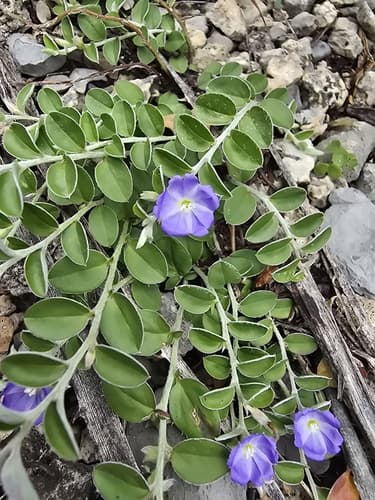
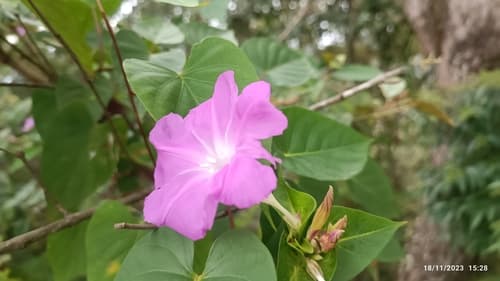
Ipomoea meyeri is an annual or perennial climbing vine, typically growing up to 3 meters long. It features alternate, ovate to cordate leaves and produces small, funnel-shaped flowers, usually purple or blue with a white or pale yellow throat.