Egyptian woodrose
NameEgyptian woodrose
Scientific NameArgyreia nervosa
Common NamesHawaiian Baby Woodrose, Elephant Creeper, Woolly Morning Glory, Silver Morning Glory, Egyptian woodrose
Plant FamilyConvolvulaceae
Natural HabitatNative to the Indian subcontinent, it thrives in tropical and subtropical climates, often found in disturbed areas, forest edges, and along roadsides where it can climb extensively.
Parts Usedseed,leaf,root
Medicinal Actionssedative, analgesic, anti-inflammatory, antimicrobial, antioxidant, nervine
Traditional UsesTraditionally, the seeds have been used in Ayurvedic medicine as a nervine tonic, aphrodisiac, and for their psychoactive properties in spiritual practices. Leaves are applied topically for skin conditions, wounds, and inflammation, while roots are used for rheumatism and general debility.
Active ConstituentsLysergic acid amide (LSA), ergine, isoergine, chanoclavine, elymoclavine, flavonoids, phenolic compounds
Preparation Methodspowder, infusion, decoction, poultice
Contraindications & WarningsThe seeds are psychoactive and contraindicated for pregnant/nursing women, individuals with psychiatric conditions, heart conditions, or liver disease. Can cause nausea, vomiting, dizziness, and psychological distress. Avoid use with other psychoactive substances, antidepressants, or CNS depressants. Large doses of any part can cause gastrointestinal upset.
Cultivation NotesPrefers full sun to partial shade and well-drained soil, requiring a strong support structure for its climbing habit. It is propagated by seeds or stem cuttings and can become invasive in suitable warm climates.
Raritycommon
Description
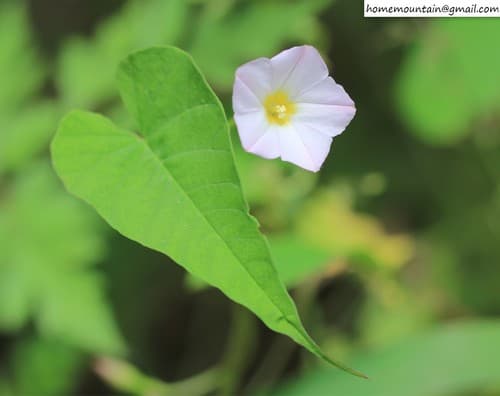
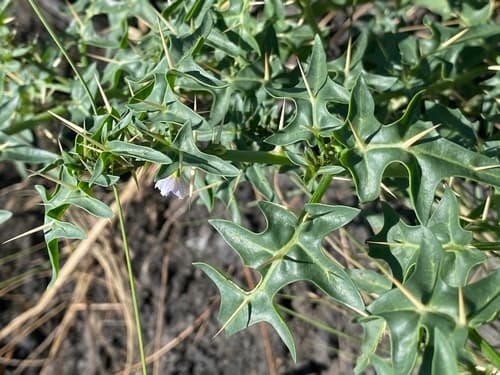
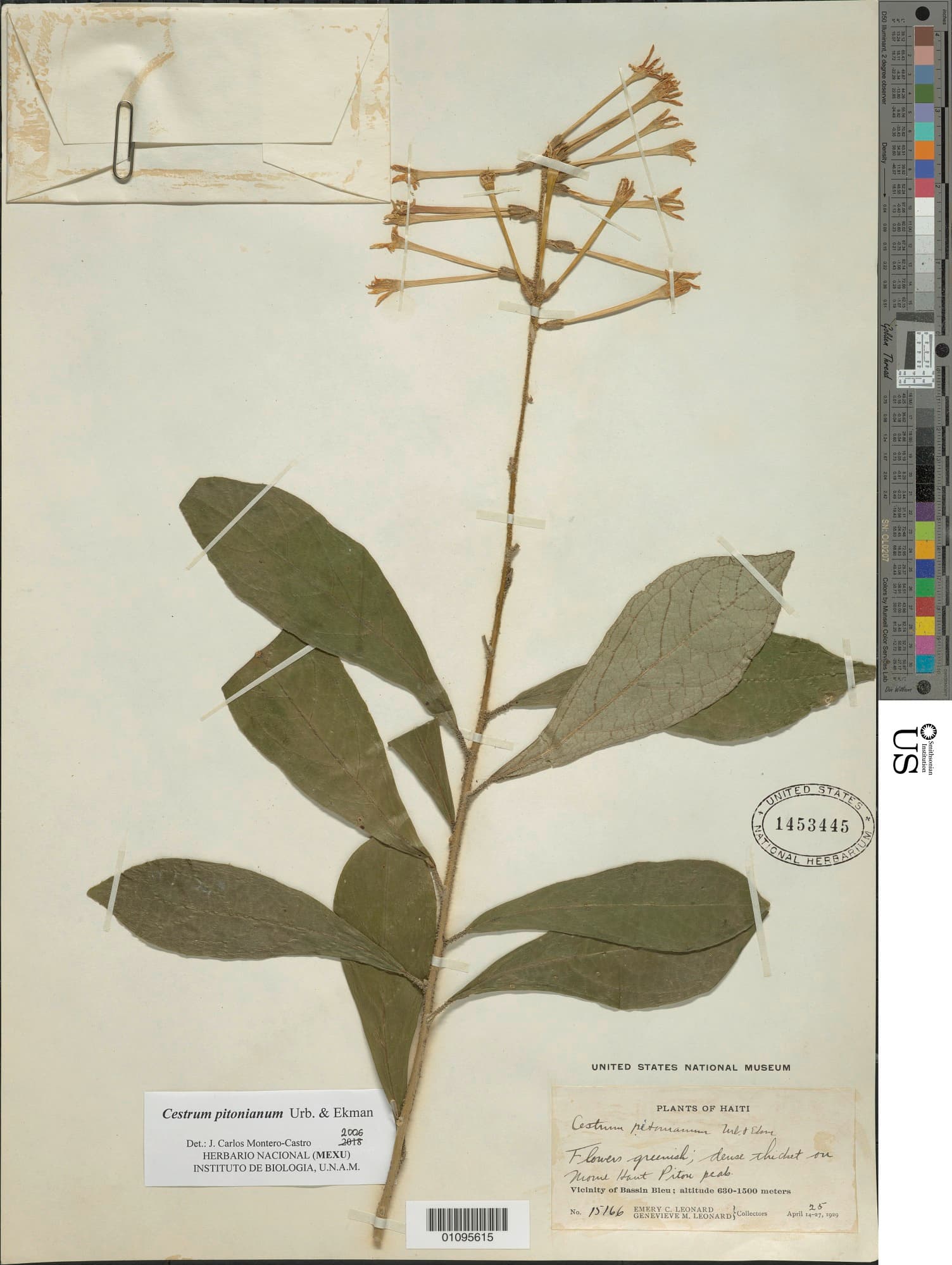
This robust, perennial climbing vine is characterized by its large, heart-shaped leaves, often silvery on the underside, and funnel-shaped flowers, which can range from purplish-pink to white, as seen in the image. The flowers are subtended by distinctive, hairy sepals that persist and become woody after flowering, forming a 'woodrose' structure.