Convolvulus commutatus
NameConvolvulus commutatus
Scientific NameConvolvulus commutatus
Common NamesNone widely recognized
Plant FamilyConvolvulaceae
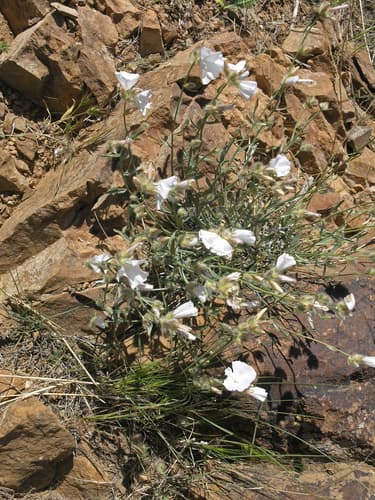
Natural HabitatThis species is typically found in dry, rocky, and open habitats, often thriving on limestone or serpentine soils. It is common in garrigue, phrygana, and stony slopes across its native Mediterranean range.
Parts Usedroot,whole_plant
Medicinal Actionsdiuretic, anti-inflammatory
Traditional UsesWhile specific traditional uses for Convolvulus commutatus are not extensively documented, related species within the Convolvulus genus have historically been used as strong purgatives to treat constipation and expel parasites. Due to their potent action and potential toxicity, such uses are largely obsolete in modern herbalism.
Active ConstituentsResin glycosides
Preparation Methodsdecoction, powder
Contraindications & WarningsDue to the strong purgative action and potential toxicity observed in related Convolvulus species, this plant should be avoided by pregnant or breastfeeding individuals, and those with intestinal obstruction, inflammatory bowel disease, or severe abdominal pain. Consultation with a healthcare professional is essential before any use.
Cultivation NotesConvolvulus commutatus prefers full sun exposure and well-drained, rocky or sandy soils. It is highly drought-tolerant once established and thrives in Mediterranean climates, requiring minimal care.
Raritycommon
Description
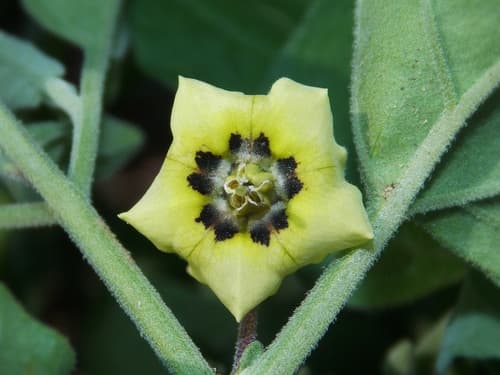
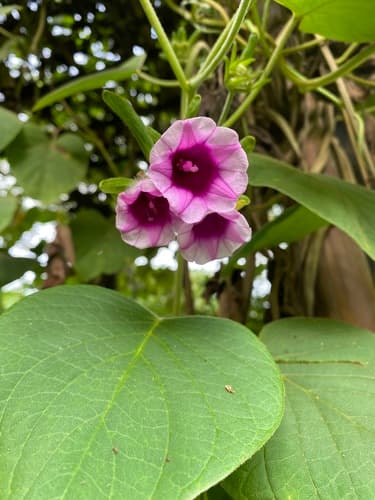
Convolvulus commutatus is a low-growing perennial herb characterized by slender, often prostrate or ascending stems. It bears linear to narrowly lanceolate leaves and produces small, white, funnel-shaped flowers, typically solitary or in small clusters in the leaf axils. The plant often exhibits a somewhat hairy or pubescent texture.