Dyssochroma longipes
NameDyssochroma longipes
Scientific NameDyssochroma longipes
Common NamesNone widely recognized
Plant FamilySolanaceae
Natural HabitatThis species is indigenous to humid montane and submontane forests of South America, particularly found in Brazil. It thrives in environments with high humidity and often grows in the understory or along forest edges.
Parts Usedflower,leaf,seed
Medicinal Actionssedative, analgesic
Traditional UsesTraditionally, species within the Solanaceae family containing tropane alkaloids, like Dyssochroma longipes, have been used with extreme caution in shamanic or ritualistic contexts for their potent psychoactive properties. They may also have been employed as powerful pain relievers or anesthetics in highly controlled, specific applications due to their strong anticholinergic effects. It is critical to note that this plant is highly toxic and not suitable for general herbal use.
Active Constituentsscopolamine, hyoscyamine, atropine, tropane alkaloids
Preparation Methodsinfusion, decoction, powder
Contraindications & WarningsDyssochroma longipes is EXTREMELY TOXIC and should never be used internally by untrained individuals. It is contraindicated in pregnancy, lactation, glaucoma, heart conditions, prostate enlargement, gastrointestinal obstruction, and in conjunction with other anticholinergic drugs or central nervous system depressants. Ingestion can cause severe hallucinations, delirium, coma, and death.
Cultivation NotesThis plant prefers tropical to subtropical climates with high humidity. It thrives in well-drained, rich soil and benefits from partial shade. Propagation can be achieved from seeds or cuttings, but cultivation requires careful attention to its specific environmental needs.
Rarityuncommon
Description
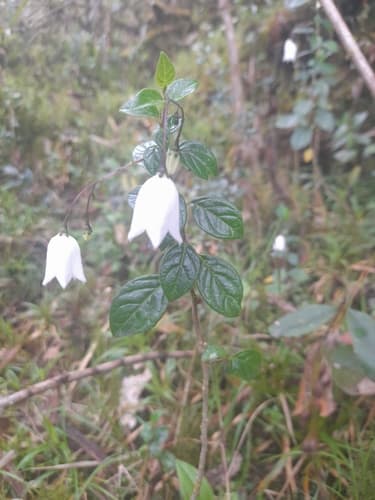
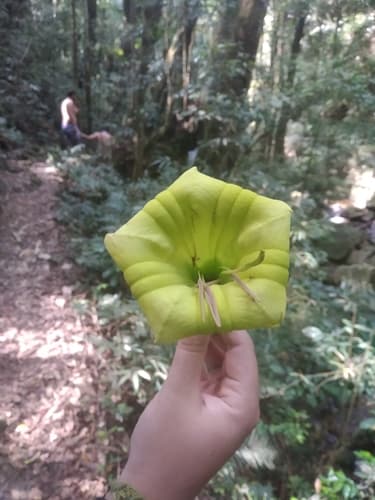
Dyssochroma longipes is a shrub or small tree native to South America, characterized by its large, pendulous, trumpet-shaped flowers. These striking flowers are typically pale green to yellowish-green and possess a distinctive ribbed or angled calyx. The plant's leaves are simple and arranged alternately along the stems.