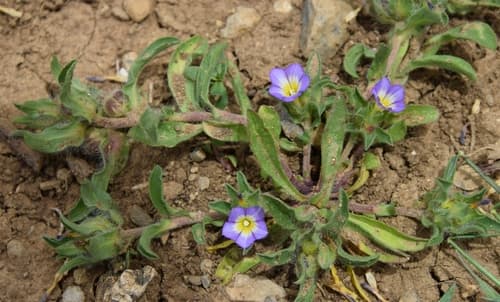
Dwarf Bindweed
NameDwarf Bindweed
Scientific NameConvolvulus humilis
Common NamesDwarf Bindweed, Low Bindweed
Plant FamilyConvolvulaceae
Natural HabitatThis species is commonly found in dry, rocky, or sandy soils, thriving in disturbed areas, fields, roadsides, and open woodlands across its native range in parts of Europe, North Africa, and Asia.
Parts Usedwhole_plant,root
Medicinal Actionsdiuretic
Traditional UsesWhile specific traditional medicinal uses for Convolvulus humilis are not widely documented, other species within the Convolvulus genus are historically known for their strong purgative effects due to the presence of resin glycosides. Some general diuretic properties might be inferred from its genus, but direct ethnobotanical evidence for C. humilis itself is scarce, and it is often considered a weed.
Active Constituentsresin glycosides
Preparation Methodsdecoction, powder
Contraindications & WarningsDue to the potential for strong purgative effects common in the Convolvulus genus, caution is advised. Contraindications may include pregnancy, breastfeeding, intestinal obstruction, and conditions requiring careful fluid and electrolyte balance. Consultation with a healthcare professional is recommended before any use.
Cultivation NotesConvolvulus humilis is generally considered a weed and is highly adaptable to various poor soil conditions, preferring full sun. It can be propagated by seed and is typically low-maintenance, though not commonly cultivated for specific ornamental or medicinal purposes.
Raritycommon
Description
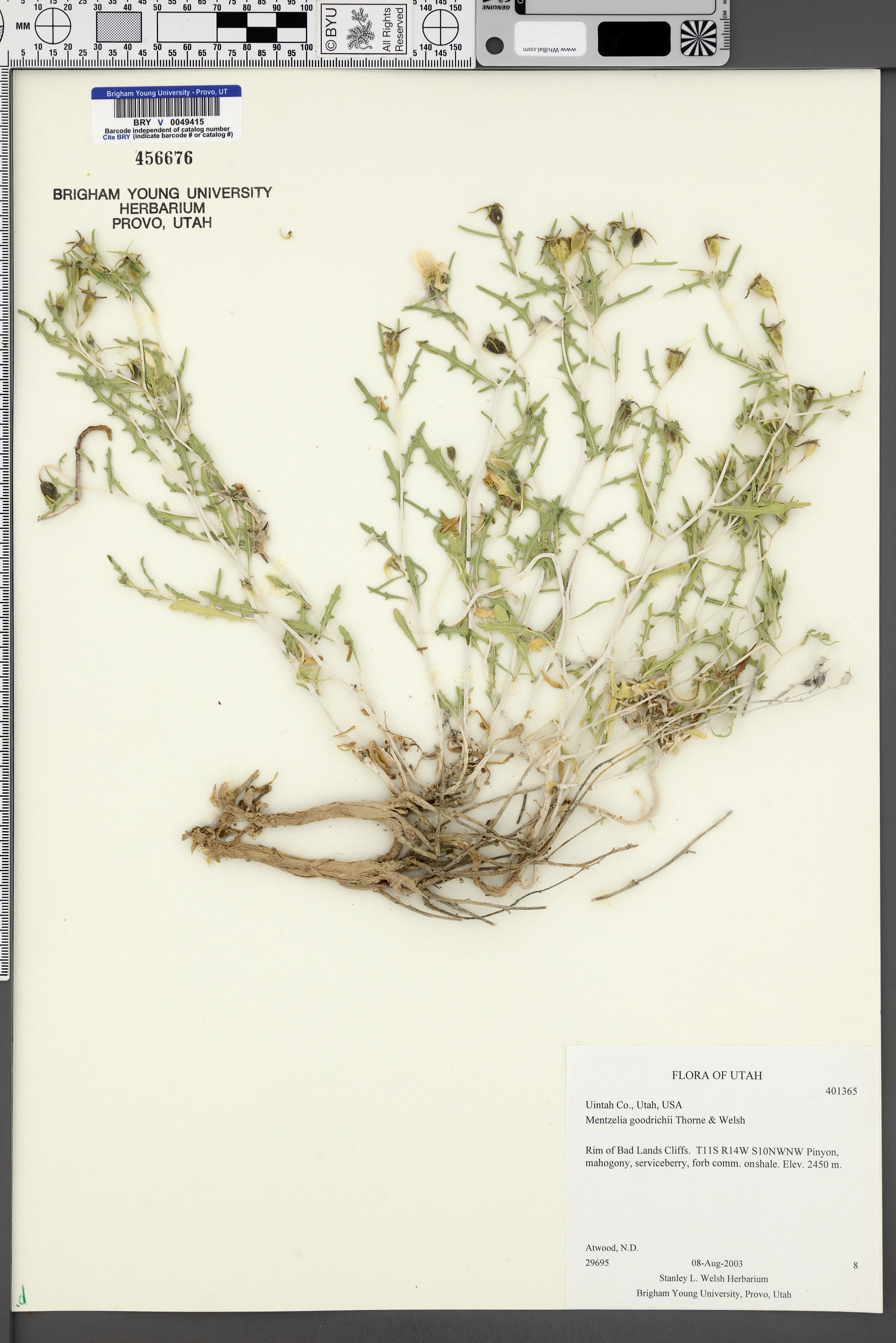
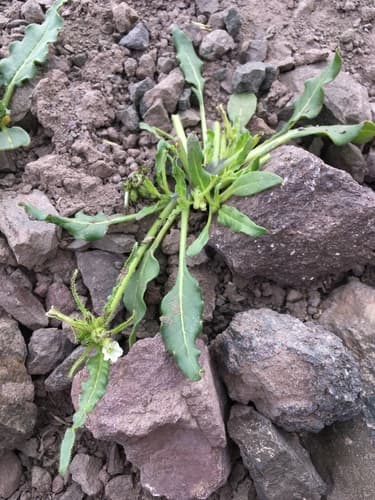
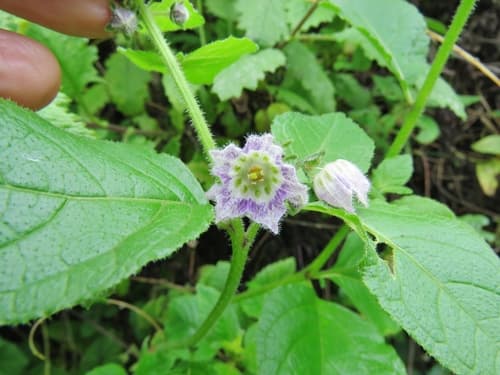
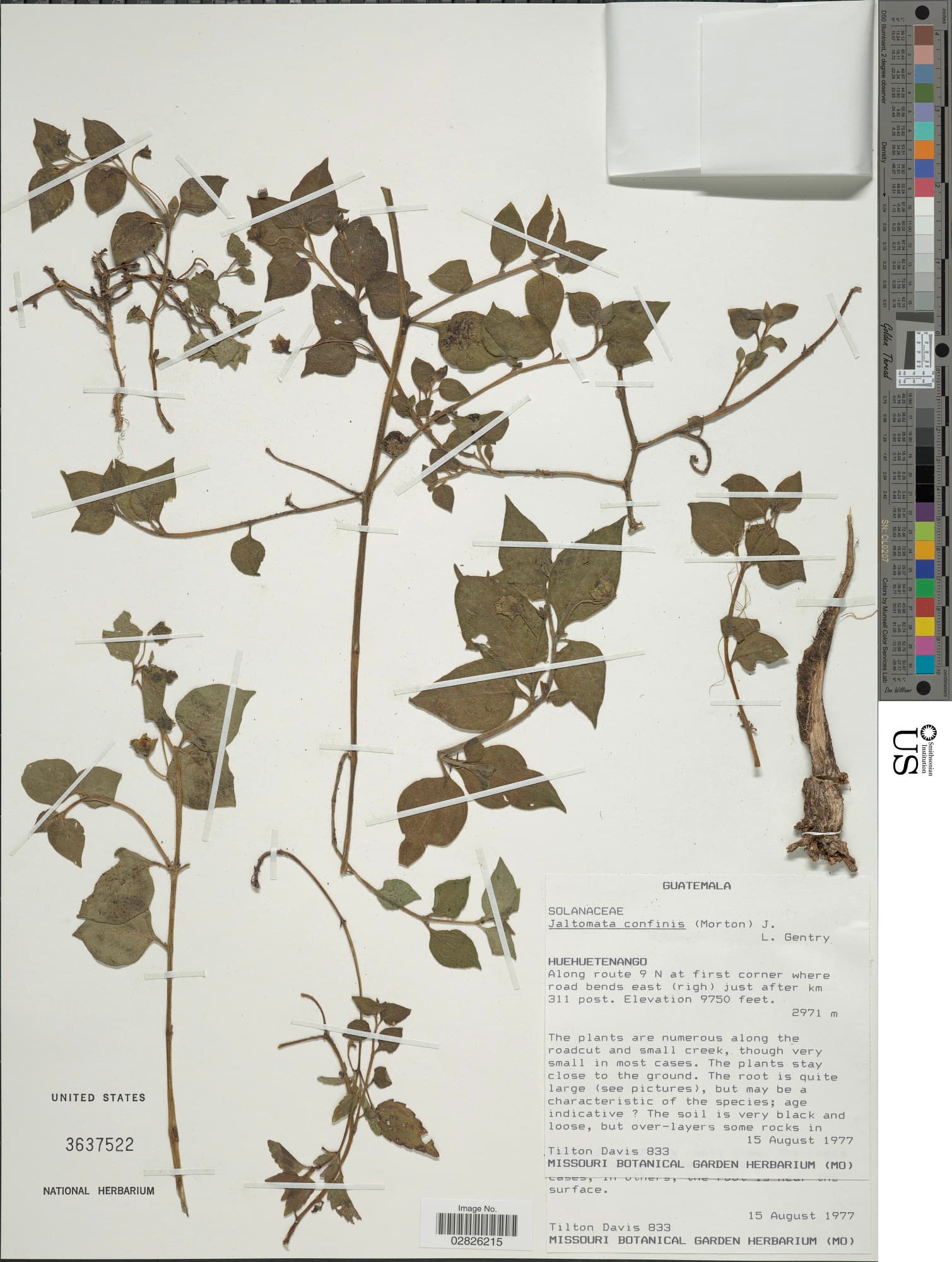
Convolvulus humilis is a low-growing, herbaceous annual or perennial plant, typically prostrate or decumbent with hairy stems and oblong to spatulate leaves. It produces small, funnel-shaped flowers that are usually blue-violet with a distinct yellow or white throat, often appearing solitary in the leaf axils.