Hibiscus
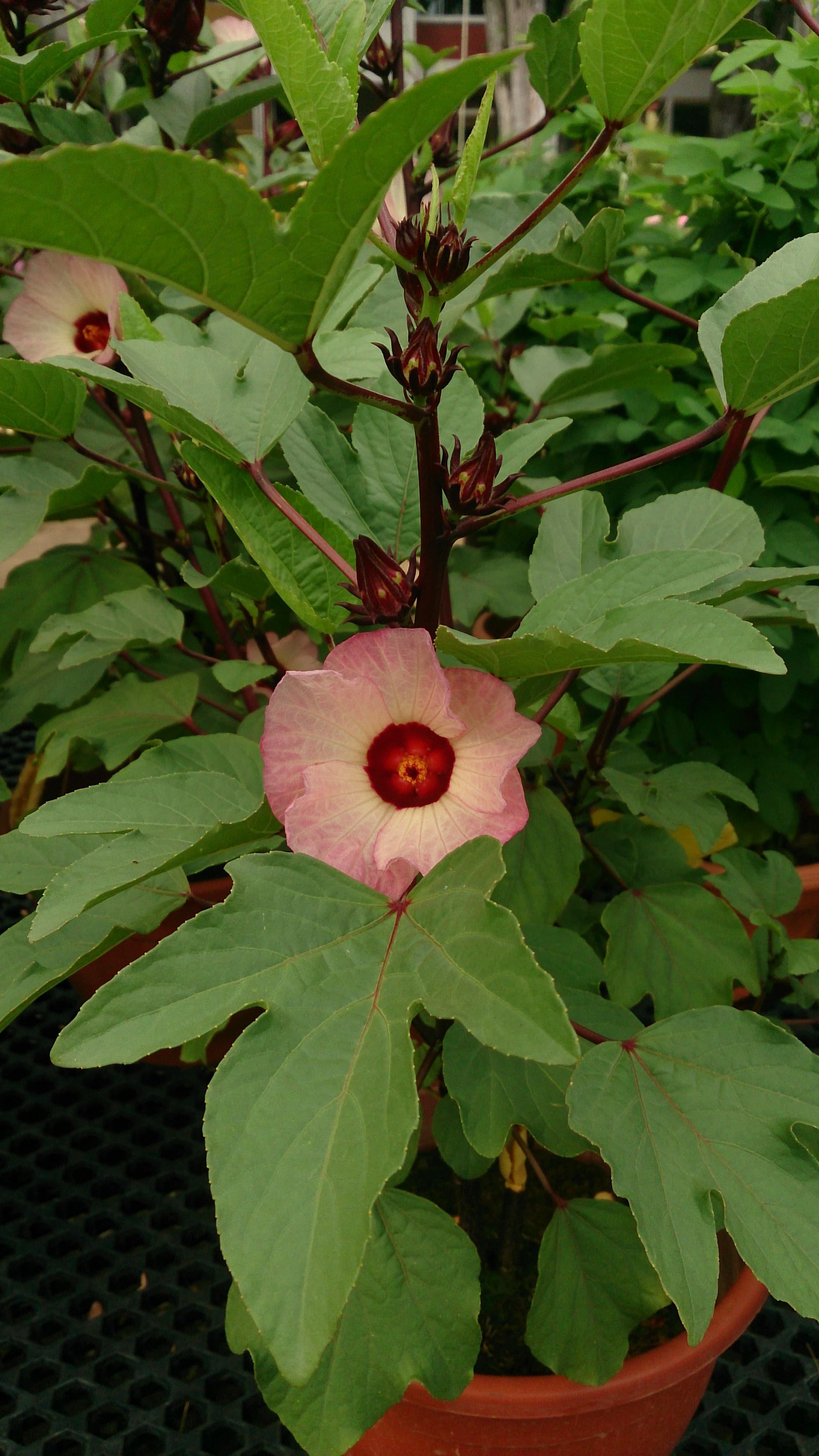
Image: Mokkie (CC BY-SA 3.0)
NameHibiscus
Scientific NameHibiscus sabdariffa
Common NamesRoselle, Red Sorrel, Jamaica Sorrel, Karkade, 洛神花
Plant FamilyMalvaceae
Natural HabitatNative to West Africa, it is widely cultivated in tropical and subtropical regions around the world, thriving in warm climates with well-drained soil.
Parts Usedflower,leaf,seed
Medicinal Actionsanti-inflammatory, antimicrobial, antioxidant, astringent, diuretic
Traditional UsesTraditionally, Hibiscus sabdariffa has been used to support cardiovascular health, particularly for managing high blood pressure. It is also employed as a mild diuretic, to soothe coughs and colds, and as a general tonic. The calyces are frequently made into refreshing beverages and jams.
Active ConstituentsAnthocyanins, Organic acids (hibiscus acid, citric acid, malic acid), Polysaccharides, Flavonoids
Preparation Methodsinfusion, decoction, powder
Contraindications & WarningsMay interact with blood pressure medications, diuretics, and antidiabetic drugs, potentially lowering blood pressure or blood sugar too much. Not recommended during pregnancy or lactation without professional advice.
Cultivation NotesPrefers full sun and well-drained soil. It is typically grown from seed in warm climates and requires consistent moisture, especially during flowering and calyx development. Harvest the calyces when they are plump and vibrant red.
Raritycommon
Description
Hibiscus sabdariffa is an annual or perennial shrub, growing up to 2-2.5 meters tall, characterized by deeply lobed leaves and pale yellow or pink flowers with a dark red center. The most distinctive feature is its fleshy, bright red calyx, which enlarges significantly after the flower blooms and is the primary part used.