Dunalia brachyacantha
NameDunalia brachyacantha
Scientific NameDunalia brachyacantha
Common NamesChilca, Chilca de la sierra, Palo de chilca
Plant FamilySolanaceae
Natural HabitatNative to the high Andean regions of South America, typically found in dry inter-Andean valleys, scrublands, and forest edges at altitudes ranging from 2000 to 3500 meters above sea level.
Parts Usedleaf,flower,fruit
Medicinal Actionsanalgesic, anti-inflammatory, antimicrobial
Traditional UsesTraditionally, the leaves and flowers are used in Andean folk medicine to alleviate pain and reduce inflammation, particularly for rheumatic conditions, muscle aches, and sprains. It is also applied topically for skin conditions and sometimes used internally for respiratory ailments.
Active ConstituentsSteroidal alkaloids, Withanolides, Flavonoids, Saponins
Preparation Methodsinfusion, decoction, poultice
Contraindications & WarningsAs a member of the Solanaceae family, this plant may contain potent alkaloids. Internal use should be approached with extreme caution and under expert guidance due to potential toxicity. Avoid use during pregnancy, lactation, in children, or individuals with liver or kidney conditions. May interact with sedatives or other medications affecting the nervous system.
Cultivation NotesPrefers well-drained soil and full sun to partial shade. It is tolerant of dry conditions once established and thrives in climates similar to its native high-altitude Andean habitat, often hardy to light frosts.
Rarityuncommon
Description
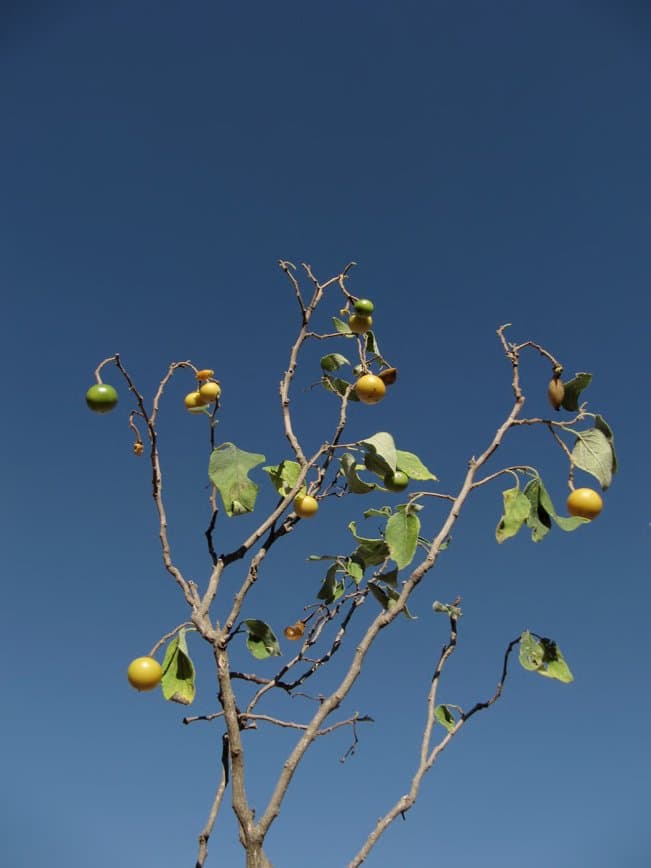
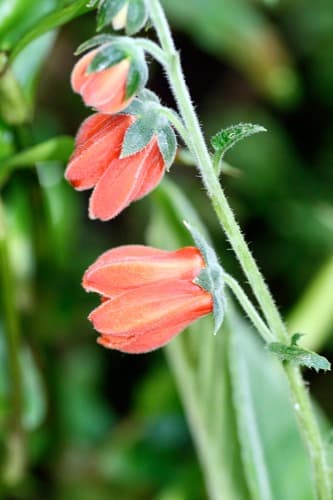
Dunalia brachyacantha is a shrub or small tree native to the Andean regions, characterized by its simple, often elliptic to obovate green leaves. It produces distinctive pendulous, tubular, purple or violet flowers, followed by spherical green fruits that ripen to orange or red.