Lycium gilliesianum
NameLycium gilliesianum
Scientific NameLycium gilliesianum Miers
Common NamesPalo Piche, Pichana, Gillies' Boxthorn
Plant FamilySolanaceae
Natural HabitatNative to arid and semi-arid regions of South America, particularly Argentina, Chile, and Bolivia. It thrives in dry scrublands, rocky slopes, and riverbeds, often tolerating poor soils and drought conditions.
Parts Usedfruit,leaf
Medicinal Actionsantioxidant, anti-inflammatory
Traditional UsesTraditionally, the fruits are consumed fresh or dried as a food source and for their perceived health benefits. They are sometimes used as a general tonic or for digestive complaints in indigenous and local communities in its native range.
Active Constituentspolysaccharides, carotenoids, flavonoids, vitamins
Preparation Methodsinfusion, powder
Contraindications & WarningsMay interact with anticoagulant medications (e.g., warfarin) and potentially affect blood sugar levels, requiring caution for individuals with diabetes. Pregnant or breastfeeding women should consult a healthcare professional.
Cultivation NotesPrefers full sun and well-drained, sandy or rocky soils. It is highly drought-tolerant once established and can withstand a range of temperatures. Propagation is typically by seed or cuttings.
Raritycommon
Description
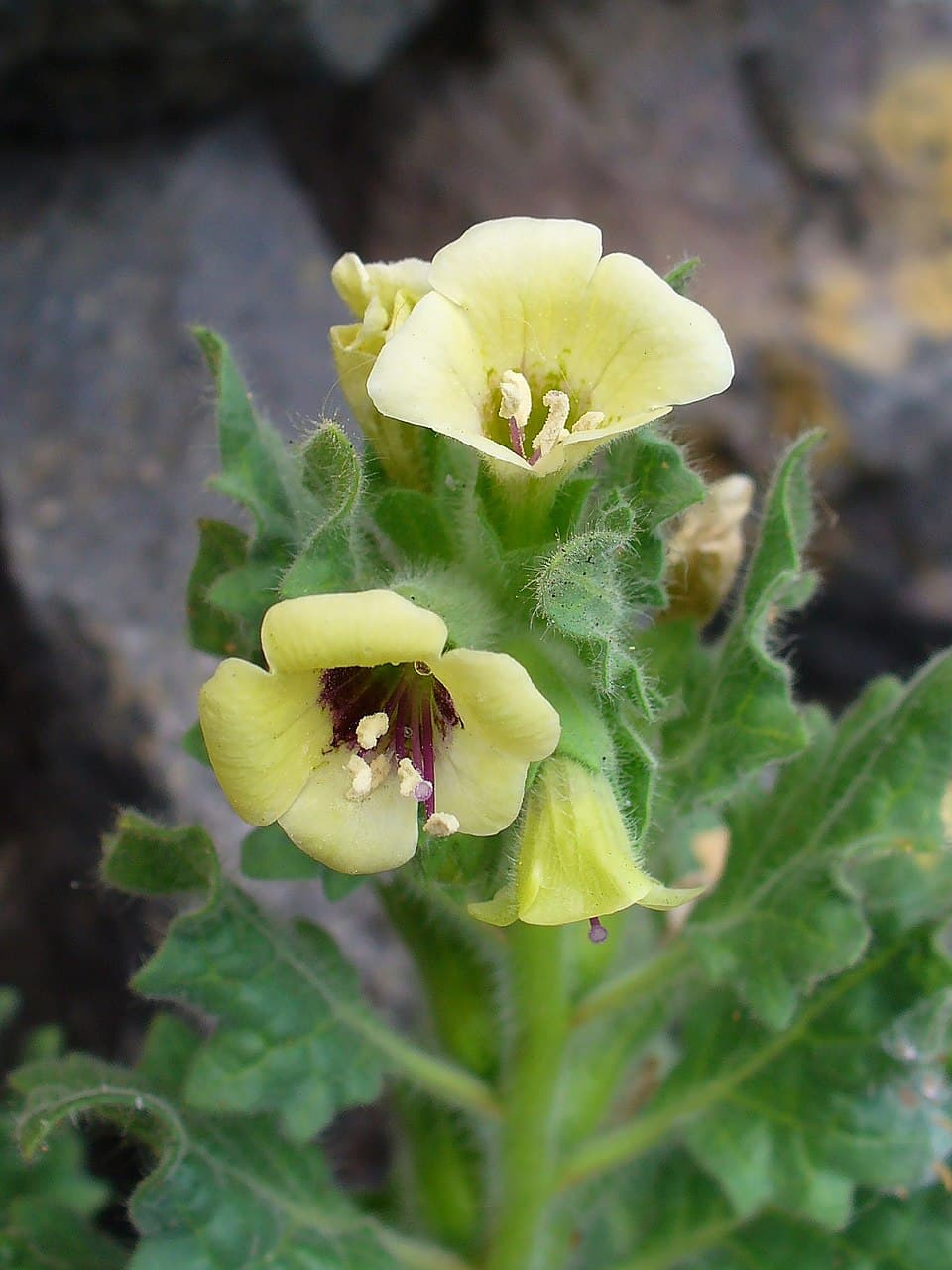
A thorny, deciduous or semi-evergreen shrub, typically growing 1-3 meters tall, with small, often succulent-like leaves. It produces numerous pale yellow to greenish-white, tubular flowers that hang downwards, followed by small, red or orange berries.