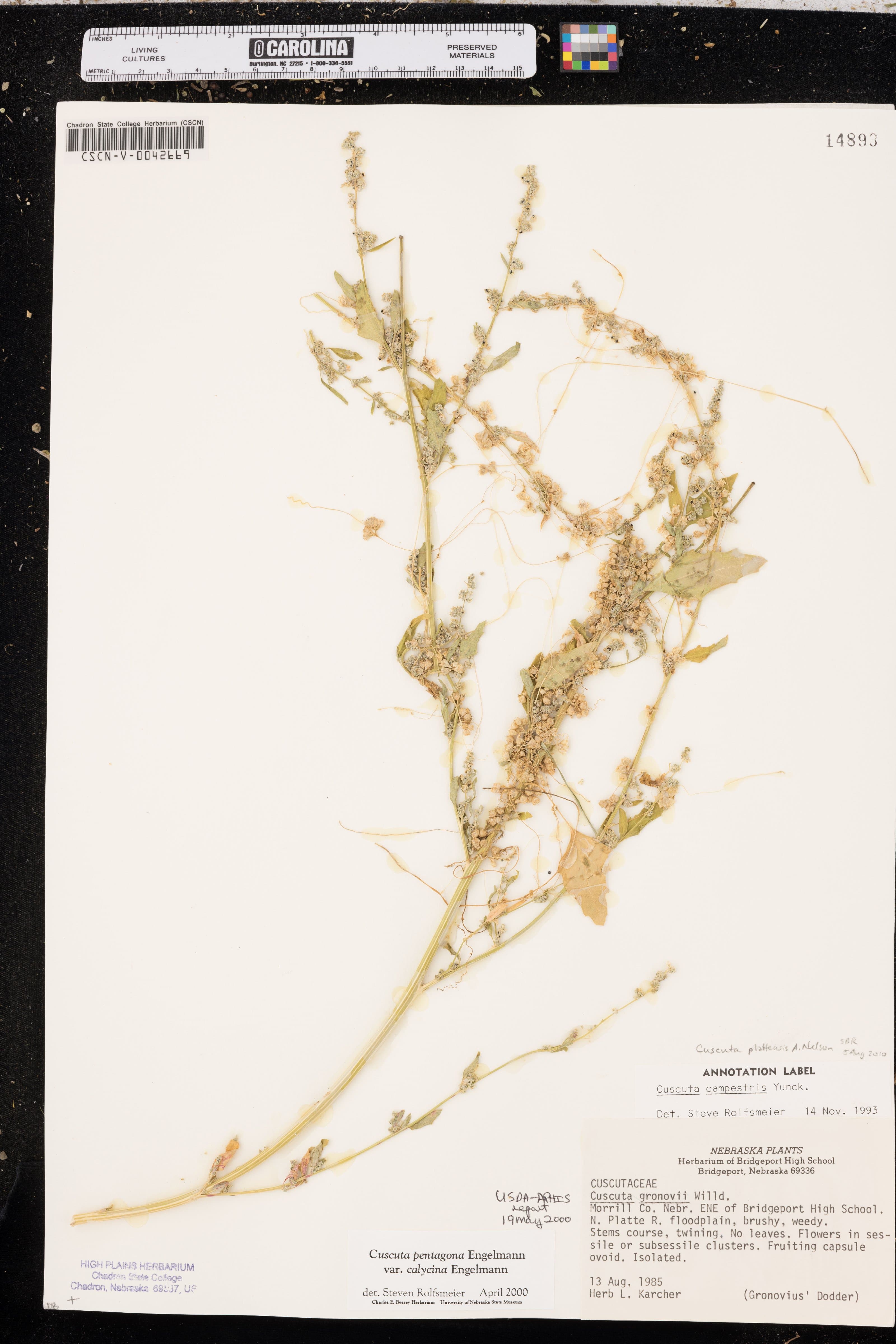
Desert Dodder
NameDesert Dodder
Scientific NameCuscuta denticulata
Common NamesDesert Dodder, Dodder, Love Vine
Plant FamilyConvolvulaceae
Natural HabitatFound in arid and semi-arid desert regions, typically parasitic on various desert shrubs and herbaceous plants, including creosote bush and other members of the Asteraceae family.
Parts Usedwhole_plant,seed
Medicinal Actionsadaptogen, antioxidant, diuretic
Traditional UsesWhile specific traditional uses for *Cuscuta denticulata* are less documented, other *Cuscuta* species (like *C. chinensis* and *C. japonica*) are widely used in Traditional Chinese Medicine (TCM). They are traditionally employed as a tonic for kidney and liver health, to support reproductive function (e.g., for impotence, premature ejaculation), improve vision, and treat conditions like frequent urination and diarrhea. These general uses are often attributed to the genus.
Active Constituentsflavonoids, lignans, polysaccharides, saponins
Preparation Methodsinfusion, decoction, powder
Contraindications & WarningsDue to its parasitic nature and the lack of extensive research on *Cuscuta denticulata* specifically, caution is advised. General contraindications for *Cuscuta* species include pregnancy, qi stagnation, and fire excess conditions. Consult a healthcare professional before use.
Cultivation NotesDesert Dodder is a parasitic plant that cannot be cultivated independently. It requires a suitable host plant to grow and thrive, making it impractical for typical garden cultivation or commercial harvesting.
Raritycommon
Description
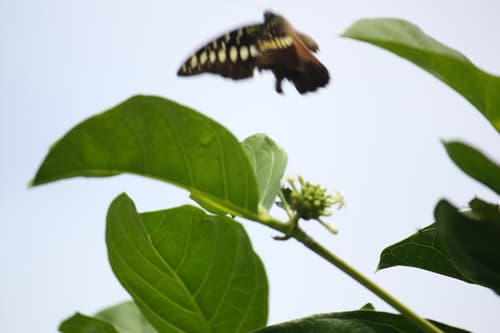
Desert Dodder is a parasitic annual herb characterized by its thread-like, yellowish-orange stems that lack chlorophyll and twine around host plants. It produces dense clusters of small, white to cream-colored, bell-shaped flowers with yellow anthers, as seen in the image.