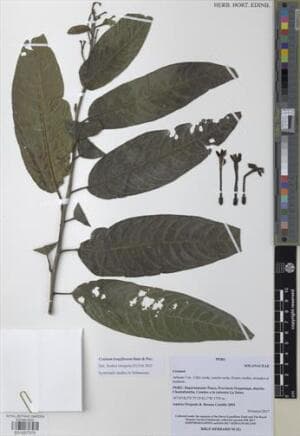
Deprea longipedunculata
NameDeprea longipedunculata
Scientific NameDeprea longipedunculata
Common NamesUchu-uchu, Andean Groundcherry
Plant FamilySolanaceae
Natural HabitatTypically found in montane forests, cloud forests, and forest edges of the Andes, at elevations ranging from 1500 to 3000 meters above sea level.
Parts Usedfruit
Medicinal Actionsadaptogen, anti-inflammatory, antioxidant
Traditional UsesWhile specific traditional medicinal uses for Deprea longipedunculata are not widely documented, related species in the Solanaceae family, particularly those containing withanolides, have been traditionally used for their adaptogenic, anti-inflammatory, and antioxidant properties. The fruits of some Deprea species are consumed locally as wild edibles in Andean communities.
Active ConstituentsWithanolides, Steroidal lactones
Preparation Methodsinfusion, powder
Contraindications & WarningsDue to the presence of steroidal lactones and potential alkaloids common in the Solanaceae family, caution is advised. Specific contraindications for Deprea longipedunculata are not well-documented, but general Solanaceae warnings apply, especially regarding unripe fruits or large doses. Consult a healthcare professional before use.
Cultivation NotesRequires a tropical or subtropical montane climate with consistent moisture and well-drained soil. Prefers partial shade conditions, mimicking its natural understory habitat in cloud forests.
Rarityuncommon
Description
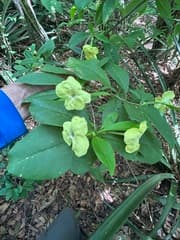
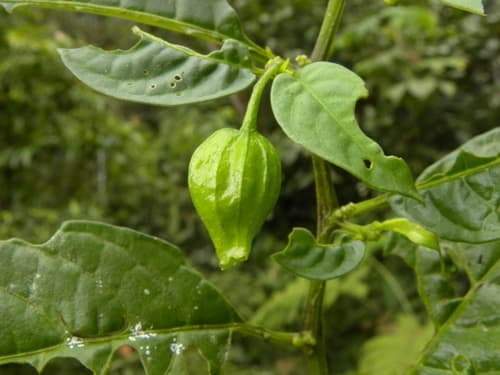
Deprea longipedunculata is a perennial herb or subshrub native to the Andean regions. It produces distinctive green, ribbed, lantern-shaped fruits, which are berries enclosed within an accrescent calyx, similar in appearance to a groundcherry.