Fabiana punensis
NameFabiana punensis
Scientific NameFabiana punensis
Common NamesPuna Fabiana, Pichana
Plant FamilySolanaceae
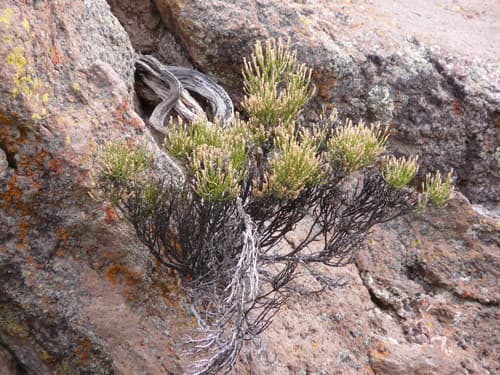
Natural HabitatThis plant thrives in the arid, rocky, and cold environments of the high-altitude Puna region of the Andes, typically found above 3000-4000 meters in Peru, Bolivia, Argentina, and Chile.
Parts Usedwhole_plant
Medicinal Actionsdiuretic, anti-inflammatory, antimicrobial, antioxidant
Traditional UsesTraditionally, Fabiana punensis is used by indigenous Andean communities for its diuretic properties to treat kidney and urinary tract ailments. It is also applied externally as an anti-inflammatory for rheumatic pain and for wound healing, and internally for digestive complaints.
Active Constituentsflavonoids, coumarins, phenolic acids, diterpenoids
Preparation Methodsinfusion, poultice
Contraindications & WarningsDue to limited research, caution is advised for pregnant or nursing women and individuals with pre-existing kidney conditions. Consultation with a healthcare professional is recommended before use.
Cultivation NotesFabiana punensis is challenging to cultivate outside its native habitat, requiring specific conditions including full sun, extremely well-drained, poor soil, and tolerance to high-altitude cold and arid environments.
Rarityuncommon
Description
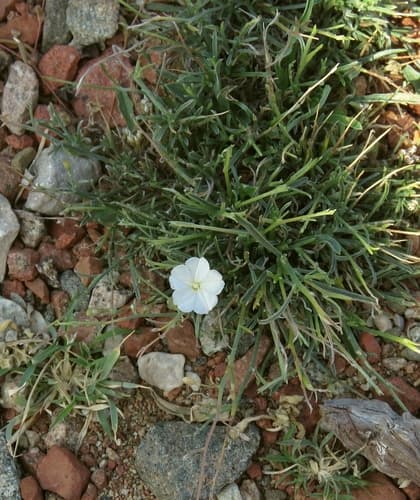
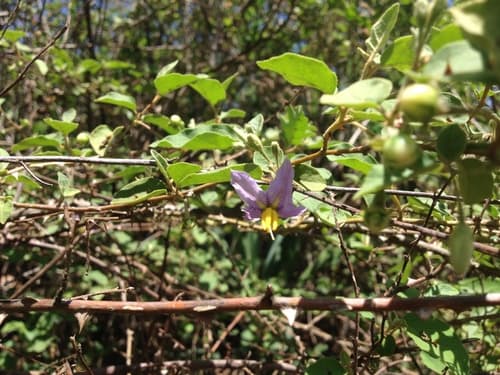
Fabiana punensis is a small, resinous shrub native to the high Andes, characterized by its dense, cushion-like growth form and scale-like leaves pressed against its stems. It produces small, tubular flowers, typically whitish or pale yellow, at the branch tips.