Longflower Cestrum
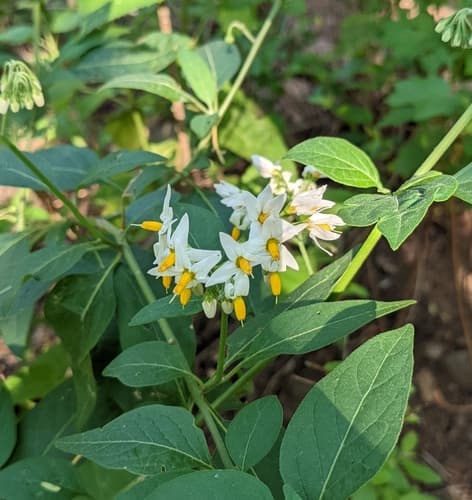
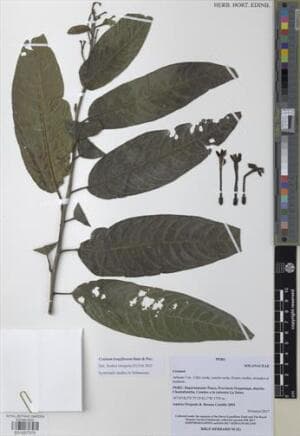
Image: Orejuela, Andres & Castillo, Jhoana (cc0)
NameLongflower Cestrum
Scientific NameCestrum longiflorum
Common NamesLongflower Cestrum
Plant FamilySolanaceae
Natural HabitatNative to the Andean regions of South America, particularly Peru, where it grows in tropical and subtropical montane forests, forest edges, and disturbed areas at various elevations.
Parts Usedleaf,flower
Medicinal Actionsanalgesic, anti-inflammatory
Traditional UsesWhile some species within the Cestrum genus are traditionally used in folk medicine for conditions like pain, fever, or inflammation, specific, safe, and widely documented traditional medicinal uses for Cestrum longiflorum are not well-established. The plant is generally considered toxic, and any traditional applications would be highly localized and used with extreme caution.
Active Constituentssteroidal saponins, steroidal glycosides, alkaloids
Preparation Methodsinfusion, poultice
Contraindications & WarningsCestrum longiflorum, like many species in its genus, is considered highly toxic due to the presence of steroidal saponins and glycosides. It should not be ingested internally. Symptoms of poisoning can include gastrointestinal upset, neurological effects, and respiratory issues. Avoid use during pregnancy, lactation, and in children. Consult a qualified healthcare professional before any external use, as skin irritation or absorption can occur.
Cultivation NotesThis plant prefers tropical to subtropical climates with well-drained soil and full sun to partial shade. It can be propagated by seeds or cuttings. Due to its potential toxicity, it is not commonly cultivated as an ornamental or medicinal plant outside its native range.
Rarityuncommon
Description
Cestrum longiflorum is a shrub or small tree characterized by its simple, alternate, ovate to lanceolate leaves. It produces elongated, tubular flowers, typically greenish-white or yellowish, which are often fragrant, especially at night.