Darvas Dogwood
NameDarvas Dogwood
Scientific NameCornus darvasica
Common NamesDarvas Dogwood, Central Asian Dogwood
Plant FamilyCornaceae
Natural HabitatNative to mountainous regions and river valleys of Central Asia, including Tajikistan, Afghanistan, and Uzbekistan, often found in woodlands, scrublands, and along watercourses.
Parts Usedbark,leaf,fruit
Medicinal Actionsastringent, anti-inflammatory, antioxidant
Traditional UsesTraditionally, related Cornus species have been used for their astringent properties, particularly the bark, to treat fevers, diarrhea, and as a general tonic. The fruits, rich in vitamins, are consumed for their nutritional value and potential antioxidant benefits, often used for digestive complaints.
Active Constituentstannins, iridoids, flavonoids, vitamin C
Preparation Methodsdecoction, infusion, tincture, powder
Contraindications & WarningsGenerally considered safe when consumed in moderate amounts. High doses of bark preparations may cause stomach upset due to tannins. Pregnant or breastfeeding women and individuals with specific medical conditions should consult a healthcare professional.
Cultivation NotesPrefers well-drained soil and can tolerate a range of light conditions from full sun to partial shade. It is hardy and relatively low-maintenance, suitable for temperate climates.
Rarityuncommon
Description
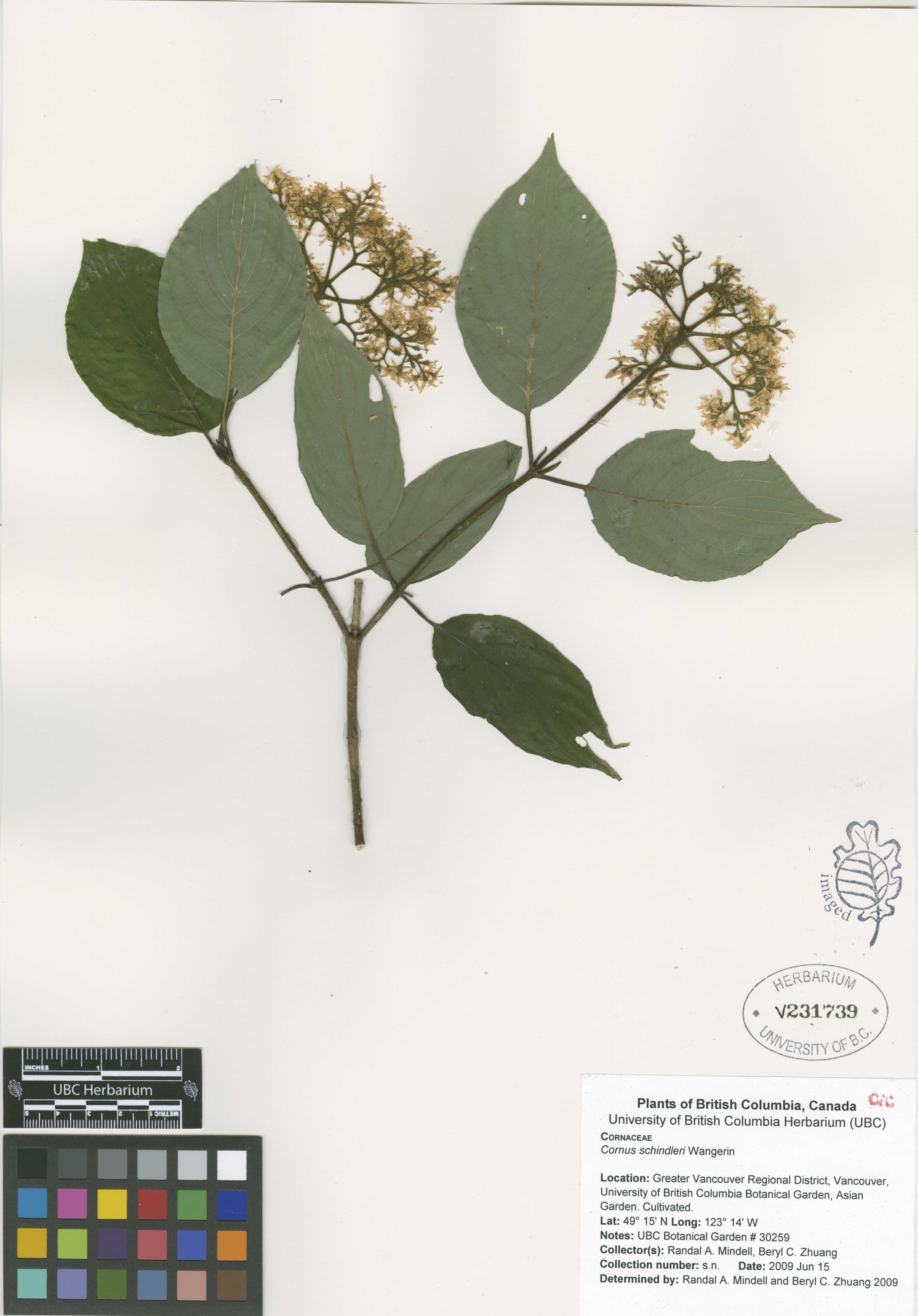
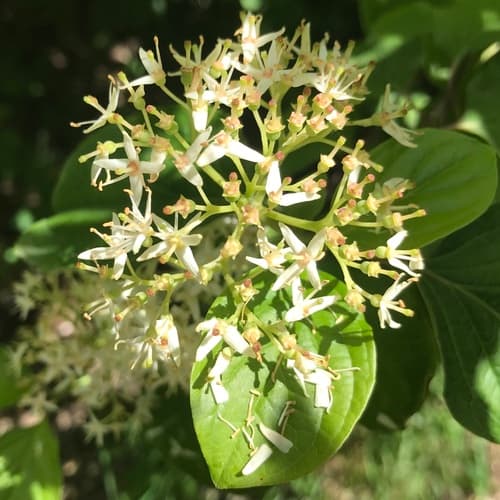
Cornus darvasica is a deciduous shrub or small tree native to Central Asia, characterized by its clusters of small, creamy-white, four-petaled flowers that appear in late spring to early summer. Its leaves are simple, opposite, and ovate, typically turning reddish in autumn.