Langsdorff's tobacco
NameLangsdorff's tobacco
Scientific NameNicotiana langsdorffii
Common NamesLangsdorff's tobacco, Flowering tobacco
Plant FamilySolanaceae
Natural HabitatNative to Brazil, it typically grows in disturbed areas, forest margins, and open woodlands. It thrives in warm climates with well-drained soil.
Parts Usedleaf,flower,seed
Medicinal Actionsanalgesic, nervine, antimicrobial
Traditional UsesTraditionally, various Nicotiana species, including this one, have been used by indigenous cultures for ceremonial and ritualistic purposes, often smoked or taken as snuff. Topically, it has been applied as a poultice for pain relief, insect bites, and skin ailments, and as an insecticide. Due to its high toxicity, internal medicinal use is extremely limited and dangerous.
Active ConstituentsNicotine, Anabasine, Nornicotine, Myosmine
Preparation Methodsinfusion, poultice, powder, tincture
Contraindications & WarningsHighly toxic and addictive. Not for internal consumption. Contraindicated in pregnancy, breastfeeding, heart conditions, hypertension, gastrointestinal issues, and by individuals sensitive to nicotine. Can cause severe poisoning, nausea, vomiting, dizziness, and death. Interacts with numerous medications.
Cultivation NotesAn annual plant that prefers full sun to partial shade and well-drained, fertile soil. It is relatively easy to grow from seed and can tolerate a range of soil types, though it thrives with consistent moisture. Often grown as an ornamental.
Raritycommon
Description
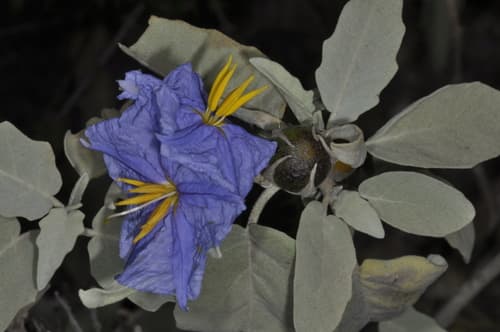
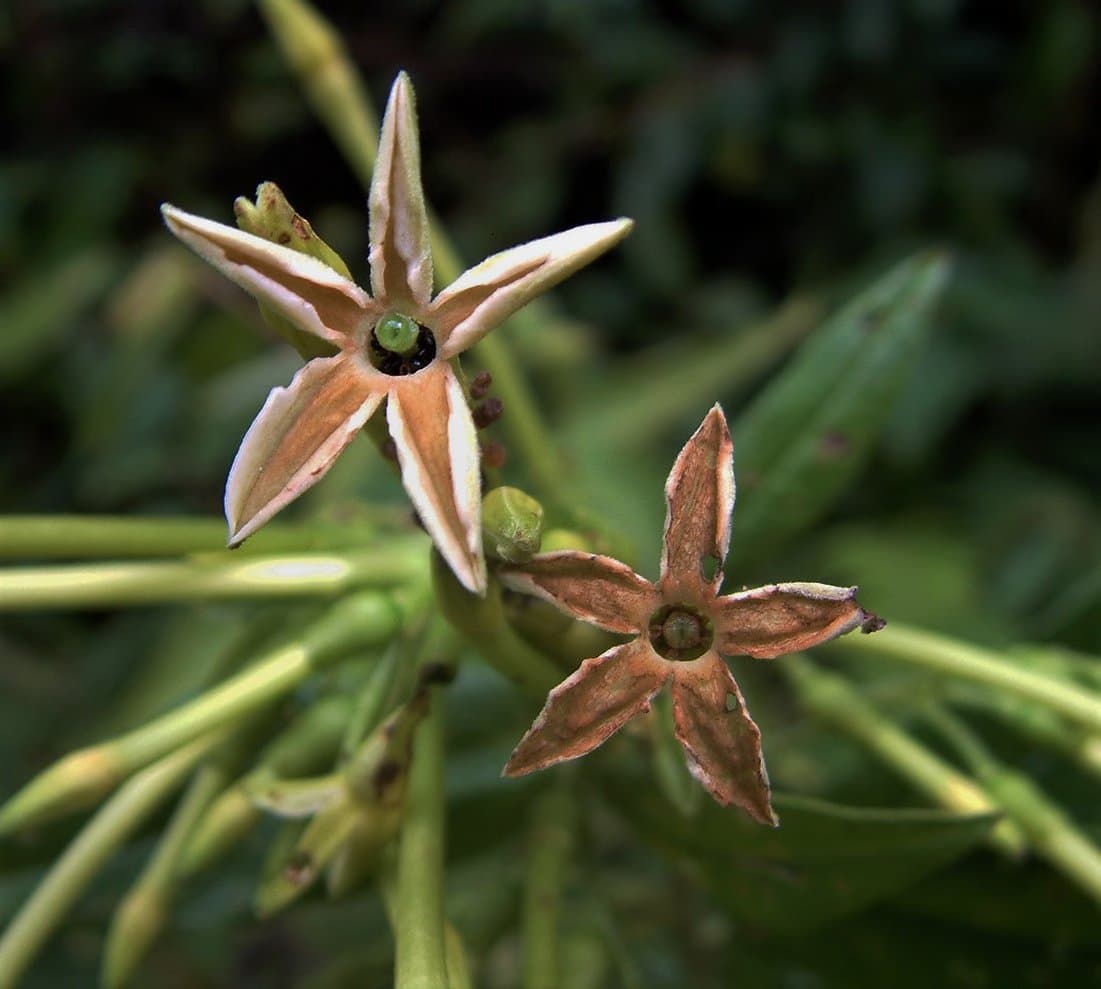
Nicotiana langsdorffii is an annual herbaceous plant characterized by its tall, slender stems and large, sticky leaves. It produces numerous pendulous, bell-shaped flowers that are typically a vibrant lime-green or yellowish-green, often with prominent stamens extending from the corolla.