Solanum memphiticum
NameSolanum memphiticum
Scientific NameSolanum memphiticum
Common NamesEgyptian Nightshade, Memphitic Nightshade
Plant FamilySolanaceae
Natural HabitatNative to North Africa and the Middle East, it thrives in disturbed areas, roadsides, fields, and sandy or rocky soils, often in arid to semi-arid regions.
Parts Usedleaf,fruit
Medicinal Actionsanti-inflammatory, analgesic, antimicrobial
Traditional UsesTraditionally, some Solanum species, including potentially S. memphiticum, have been used externally in poultices for skin conditions, inflammation, and pain relief. Internal use is rare and highly cautioned due to the presence of toxic glycoalkaloids.
Active Constituentssteroidal glycoalkaloids, solanine, solasodine, flavonoids
Preparation Methodspoultice, decoction
Contraindications & WarningsPregnancy, lactation, children, individuals with Solanaceae allergy, and internal use without expert supervision due to high toxicity from glycoalkaloids.
Cultivation NotesPrefers full sun and well-drained soil. It is generally drought-tolerant and can be propagated from seeds.
Rarityuncommon
Description
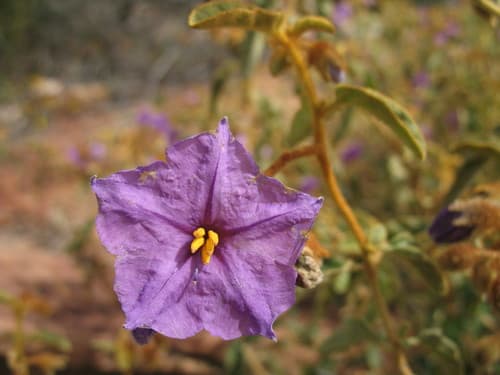
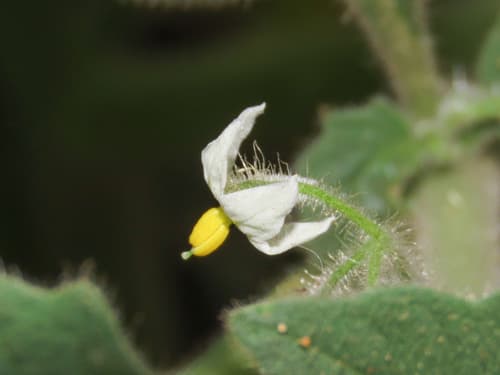
Solanum memphiticum is an herbaceous plant characterized by its hairy stems and leaves. It produces small, star-shaped white flowers with prominent yellow anthers, typical of the Solanum genus. The plant often has a sprawling habit and develops small berries as fruit.