Heart Leaf Groundcherry
NameHeart Leaf Groundcherry
Scientific NamePhysalis cordata
Common NamesHeart Leaf Groundcherry, Heartleaf Groundcherry, Groundcherry
Plant FamilySolanaceae
Natural HabitatNative to tropical and subtropical regions of the Americas, often found in disturbed areas, fields, roadsides, and open woodlands. It prefers well-drained soils and full sun to partial shade.
Parts Usedfruit,leaf,root
Medicinal Actionsanti-inflammatory, antioxidant, diuretic, analgesic
Traditional UsesTraditionally, the ripe fruits of Heart Leaf Groundcherry are consumed for their nutritional value and are sometimes used as a mild diuretic. In some traditional medicine systems, the leaves or roots have been applied externally as a poultice for skin conditions or internally for inflammatory issues and pain relief.
Active Constituentsphysalins, flavonoids, carotenoids, Vitamin C
Preparation Methodsinfusion, decoction, poultice, powder, tincture
Contraindications & WarningsUnripe fruits of Physalis species can be toxic due to solanine-like compounds; only ripe fruits should be consumed. Pregnant or breastfeeding women should exercise caution. Individuals with allergies to the Solanaceae family should avoid.
Cultivation NotesHeartleaf groundcherry is relatively easy to grow from seed in warm climates. It prefers full sun, well-drained soil, and moderate watering. It can self-seed readily and may become weedy in favorable conditions.
Raritycommon
Description
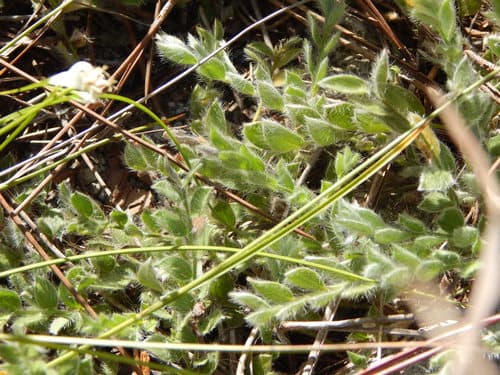
Physalis cordata is an annual or short-lived perennial herb characterized by its heart-shaped to ovate leaves and solitary, pendulous, bell-shaped flowers. The flowers are typically yellowish-green with distinctive purplish-brown spots at the base of the corolla, later developing into a fruit enclosed by an inflated, papery calyx.