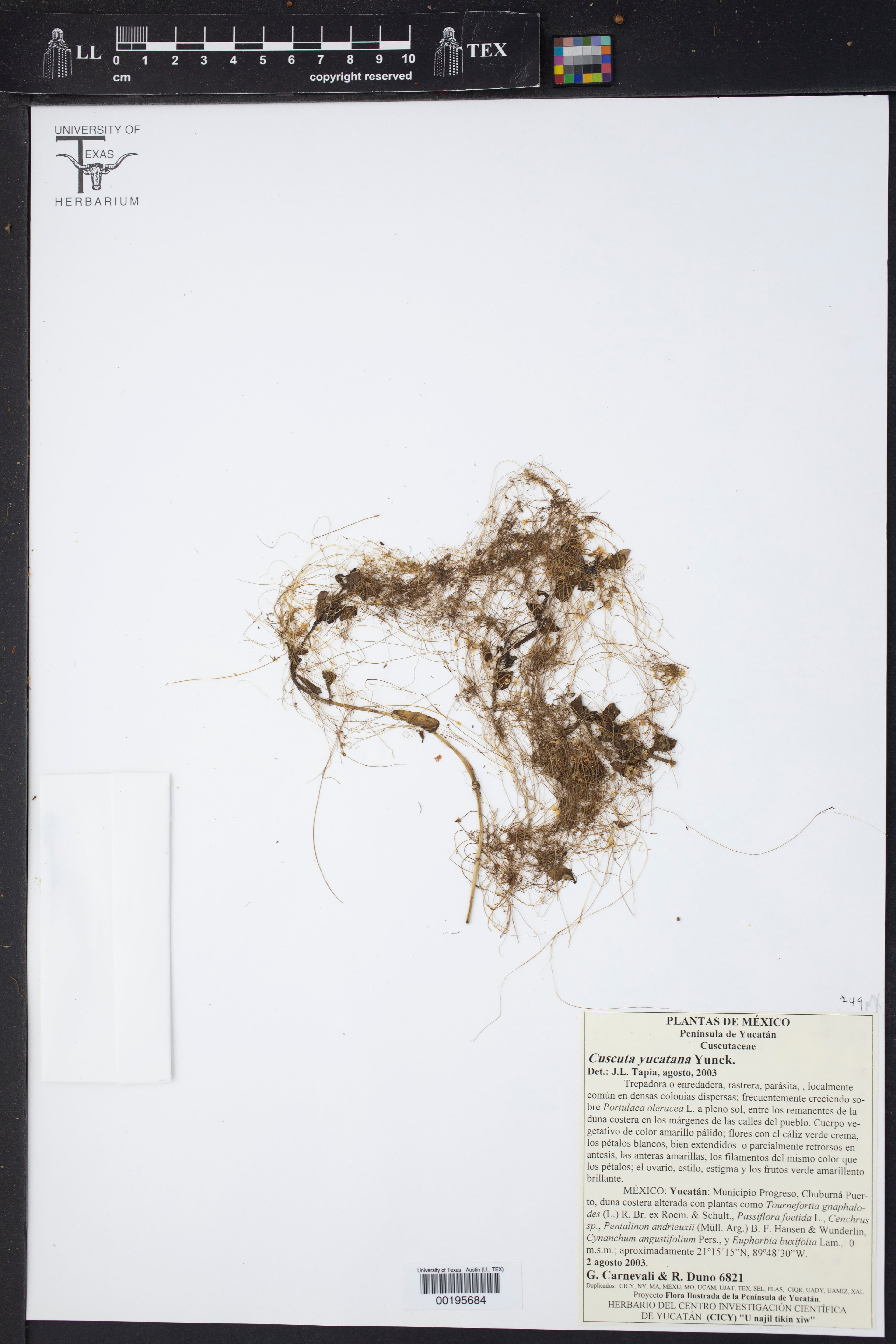
Cuscuta yucatana
Image: G. Carnevalli|Rodrigo Duno (cc0)
NameCuscuta yucatana
Scientific NameCuscuta yucatana Yunck.
Common NamesDodder, Love Vine
Plant FamilyCuscutaceae
Natural HabitatFound in coastal dunes and along the margins of town streets in the Yucatán Peninsula, Mexico, typically parasitizing *Portulaca oleracea* in full sun.
Parts Usedwhole_plant
Medicinal Actionsantioxidant, anti-inflammatory, adaptogen, diuretic
Traditional UsesTraditionally, species of Cuscuta are used in some cultures for kidney and liver support, to improve vision, and as a general tonic for reproductive health. Specific traditional uses for *Cuscuta yucatana* are not widely documented, but general uses for the genus apply.
Active Constituentsflavonoids, lignans, polysaccharides
Preparation Methodsinfusion, decoction, powder
Contraindications & WarningsGenerally, Cuscuta species are contraindicated in pregnancy, lactation, and for individuals with spleen deficiency. Potential interactions with anticoagulant medications should be considered.
Cultivation NotesAs a parasitic plant, *Cuscuta yucatana* requires a suitable host plant, such as *Portulaca oleracea*, for cultivation. It thrives in full sun conditions, typically in sandy or disturbed coastal environments.
Rarityuncommon
Description
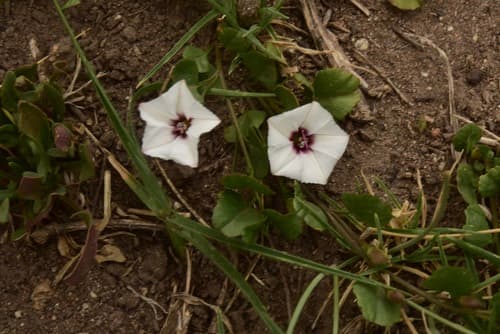
Cuscuta yucatana is a parasitic, climbing or creeping plant, characterized by its pale yellow vegetative body. It produces flowers with a creamy green calyx, white petals, and yellow anthers, leading to shiny yellowish-green fruits. This species is locally common in dense colonies, often found growing on *Portulaca oleracea*.