Convolvulus montanus
NameConvolvulus montanus
Scientific NameConvolvulus cantabrica L.
Common NamesCantabrian Bindweed, Mountain Bindweed
Plant FamilyConvolvulaceae
Natural HabitatFound in dry, rocky, and grassy areas, often on calcareous soils, across Southern Europe, North Africa, and Western Asia.
Parts Usedroot,whole_plant
Medicinal Actionsantimicrobial, antioxidant, astringent
Traditional UsesHistorically, the roots of Convolvulus species, including this one, were primarily used as a strong purgative to treat severe constipation and expel intestinal worms. Less commonly, the plant was applied externally for its astringent properties to aid in healing minor skin irritations.
Active Constituentsresin glycosides, flavonoids, phenolic compounds
Preparation Methodsdecoction, powder
Contraindications & WarningsDue to its potent purgative effects, it can cause severe gastrointestinal upset, cramping, and dehydration. It is contraindicated for pregnant or breastfeeding women, children, and individuals with inflammatory bowel conditions, intestinal obstruction, or electrolyte imbalances. Consult a healthcare professional before use.
Cultivation NotesThis plant thrives in full sun and well-drained, often calcareous soils. It is drought-tolerant once established and can be quite vigorous, potentially becoming invasive in suitable conditions.
Raritycommon
Description
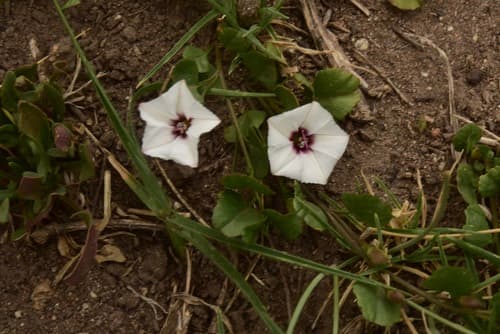
A perennial herbaceous plant with trailing or ascending stems, featuring alternate, linear to lanceolate leaves. It produces funnel-shaped flowers, typically white to pinkish with a darker throat, blooming during the summer months.