Cuscuta parviflora
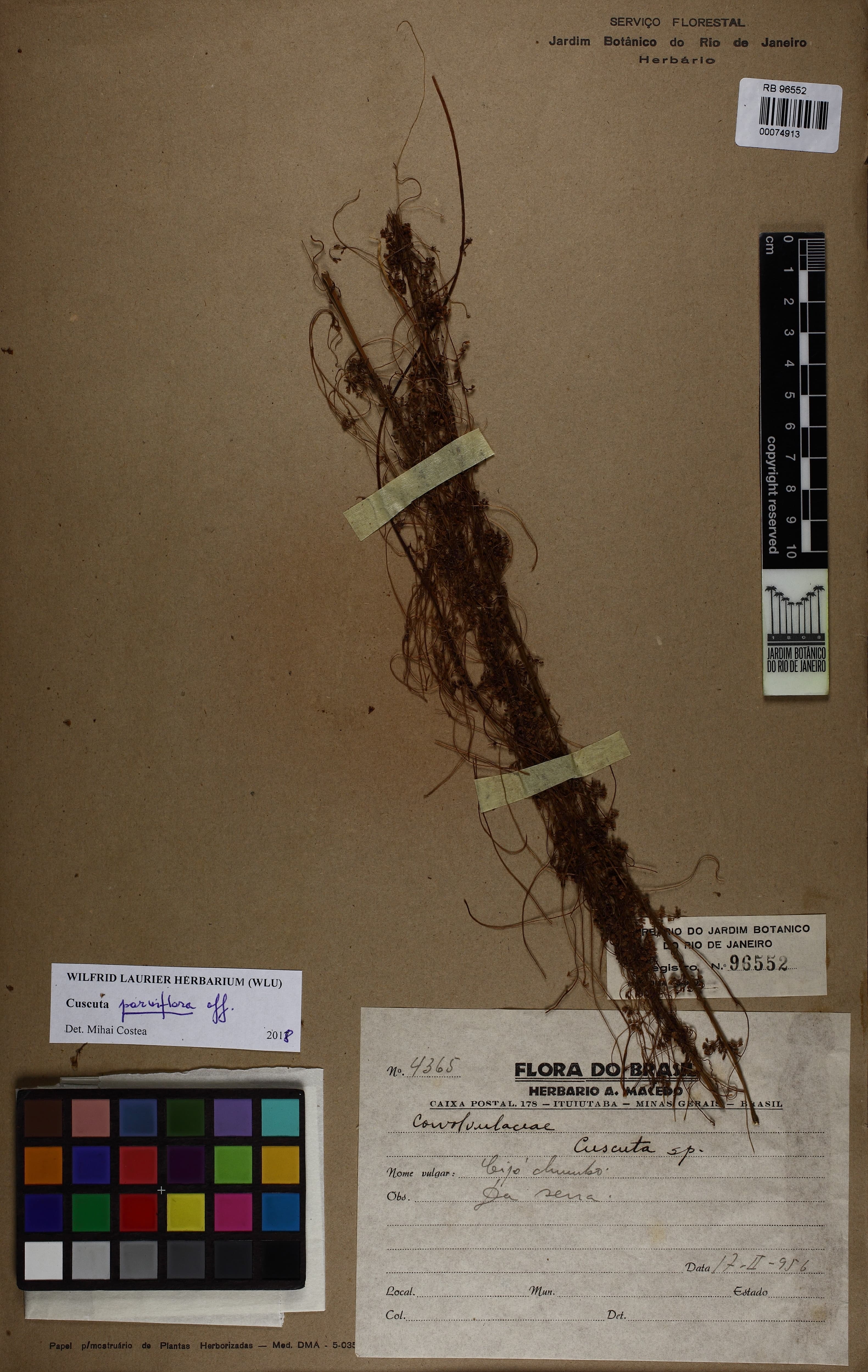
Image: A. Macedo (cc-by)
NameCuscuta parviflora
Scientific NameCuscuta parviflora
Common NamesDodder, Cipó chumbo
Plant FamilyConvolvulaceae
Natural HabitatAs a parasitic plant, Cuscuta parviflora grows by twining around various herbaceous and woody host plants. It is typically found in disturbed areas, agricultural fields, roadsides, and natural ecosystems in tropical and subtropical regions.
Parts Usedwhole_plant,seed
Medicinal Actionsantioxidant, anti-inflammatory, diuretic
Traditional UsesTraditionally, species of Cuscuta, including those related to C. parviflora, have been used in various folk medicine systems. They are often employed for kidney and liver support, to improve vision, strengthen bones, and address issues like impotence. It is also used as a diuretic and for managing certain inflammatory conditions.
Active Constituentsflavonoids, lignans, polysaccharides, coumarins
Preparation Methodsinfusion, decoction, powder
Contraindications & WarningsDue to its potential hormonal effects and diuretic action, Cuscuta should be used with caution by pregnant or breastfeeding women, individuals with estrogen-sensitive conditions, or those on diuretic medications. Consultation with a healthcare professional is advised.
Cultivation NotesAs an obligate parasitic plant, Cuscuta parviflora cannot be cultivated independently. It requires a living host plant for survival and is often considered an agricultural weed rather than a cultivated medicinal plant.
Raritycommon
Description
Cuscuta parviflora is an obligate parasitic annual vine, characterized by its slender, thread-like, yellowish-orange to reddish stems that lack true leaves and chlorophyll. It attaches to host plants via haustoria to absorb nutrients. The specimen shows dried, tangled stems with small, clustered inflorescences.