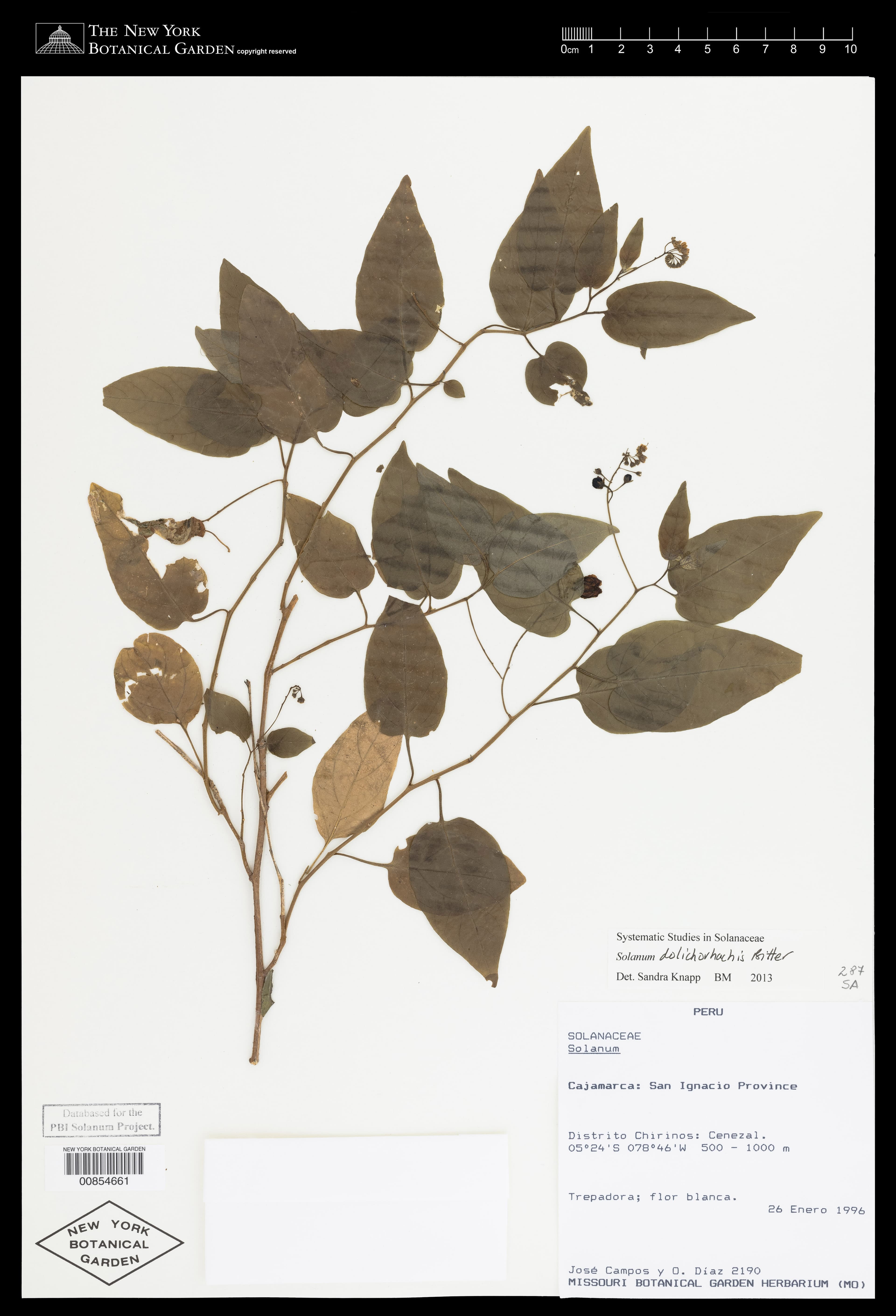
Cuscuta obtusata
Image: MBG (cc-by-nc)
NameCuscuta obtusata
Scientific NameCuscuta obtusata
Common NamesDodder, Swamp Dodder, Blunt-lobed Dodder
Plant FamilyConvolvulaceae
Natural HabitatThis species typically thrives in moist to wet environments, including swamps, marshes, ditches, and wet meadows, where it parasitizes various herbaceous plants and shrubs.
Parts Usedwhole_plant,seed
Medicinal Actionsadaptogen, antioxidant, anti-inflammatory, diuretic, astringent
Traditional UsesIn traditional Chinese medicine, the seeds of Cuscuta species (known as Tu Si Zi) are highly valued for their ability to tonify kidney yang, benefit the liver, and improve vision. They are traditionally used to address conditions such as impotence, premature ejaculation, frequent urination, lower back pain, blurred vision, and chronic diarrhea.
Active Constituentsflavonoids, lignans, polysaccharides, coumarins, alkaloids
Preparation Methodsinfusion, decoction, tincture, powder
Contraindications & WarningsContraindicated during pregnancy, for individuals with yin deficiency with heat signs, or those experiencing constipation. Use with caution due to its parasitic nature and potential for toxicity if not properly identified or prepared.
Cultivation NotesCuscuta species are obligate parasites and are not typically cultivated in conventional gardens. They require a suitable host plant for germination and growth, making intentional cultivation challenging and generally focused on eradication in agricultural settings.
Raritycommon
Description
Cuscuta obtusata is an annual parasitic vine characterized by its slender, yellowish-orange, leafless stems that twine extensively around host plants. It produces small, clustered, whitish to yellowish flowers, which develop into small, globose fruits containing seeds.