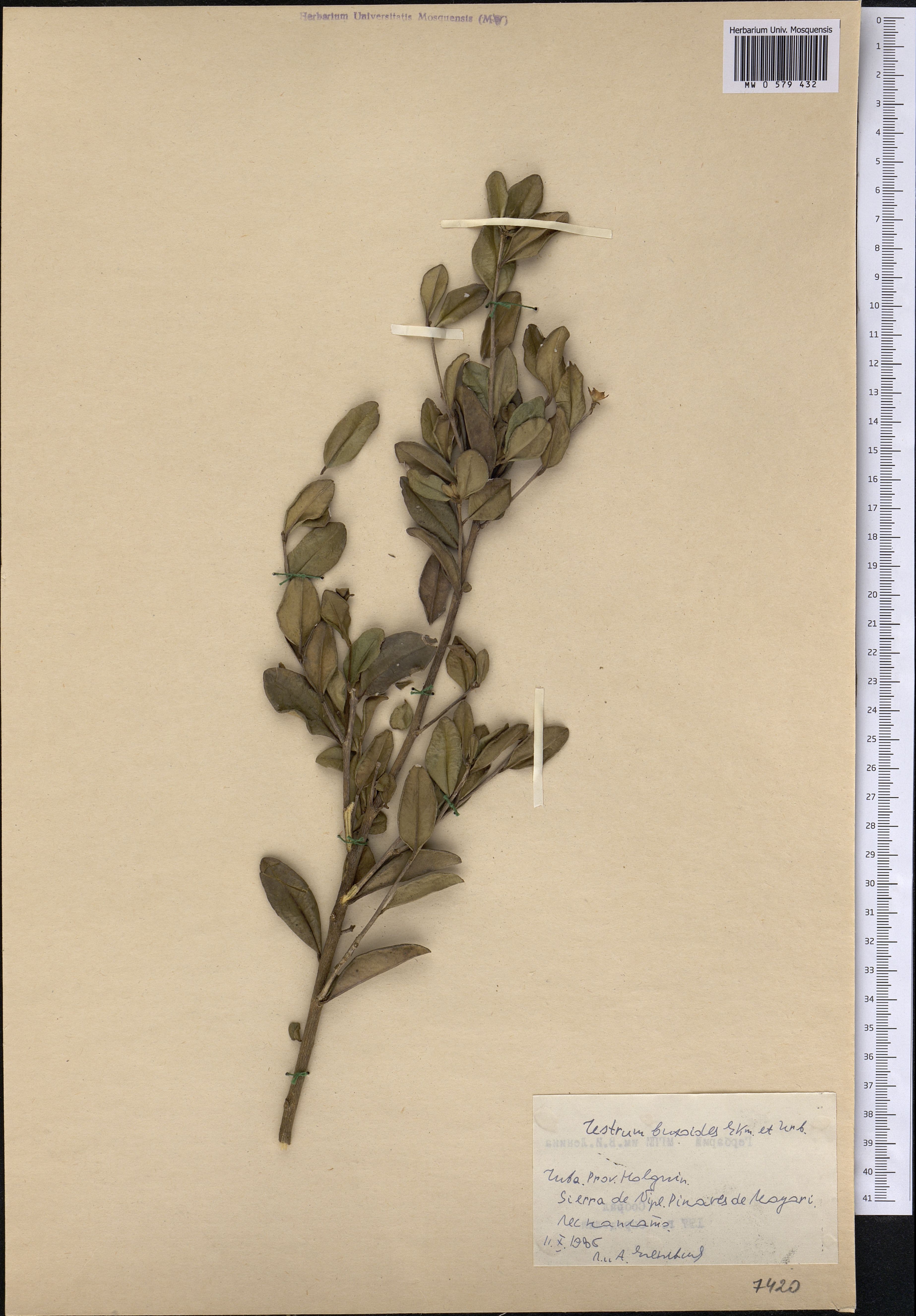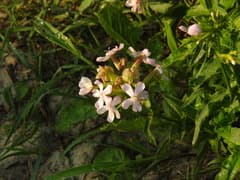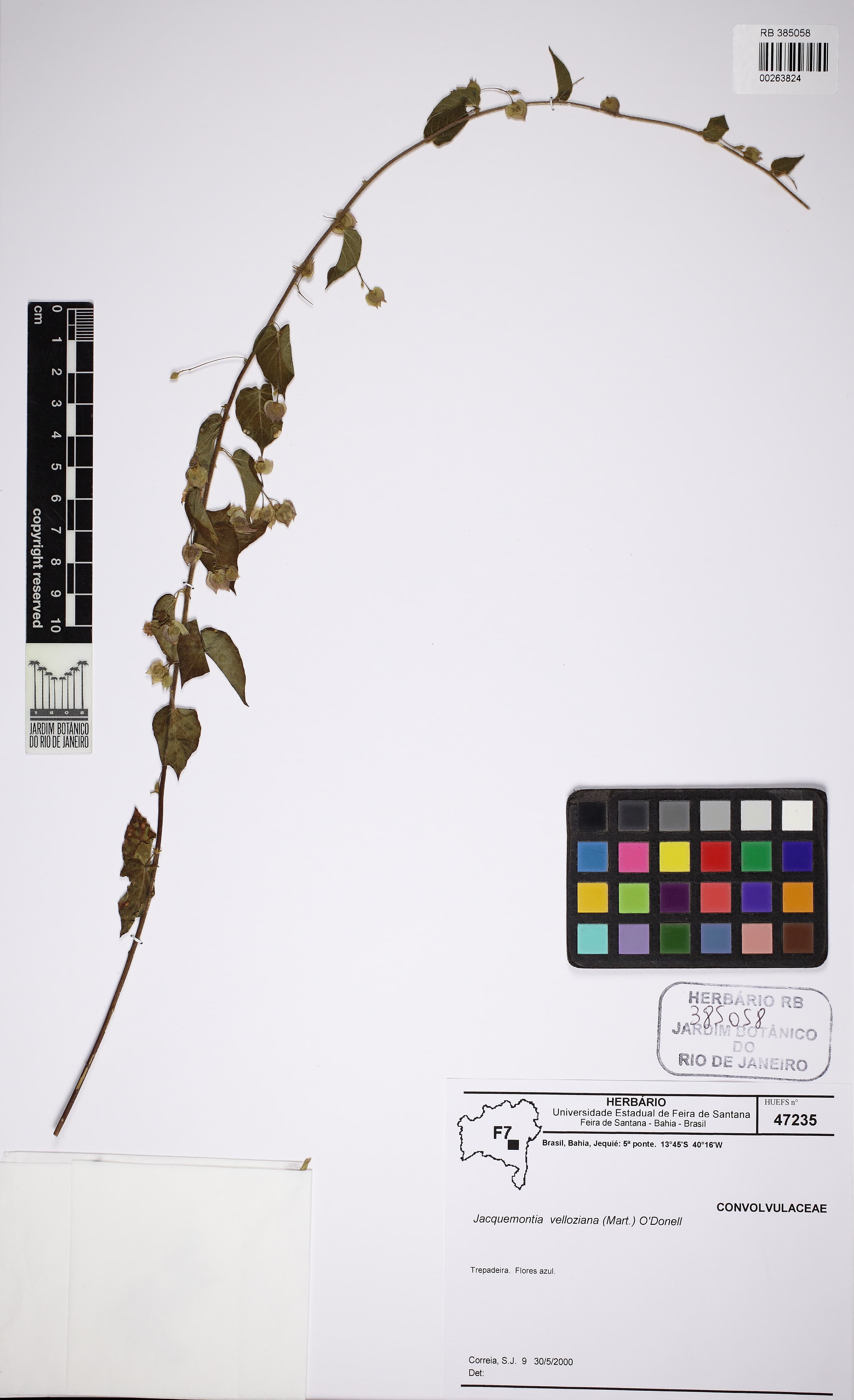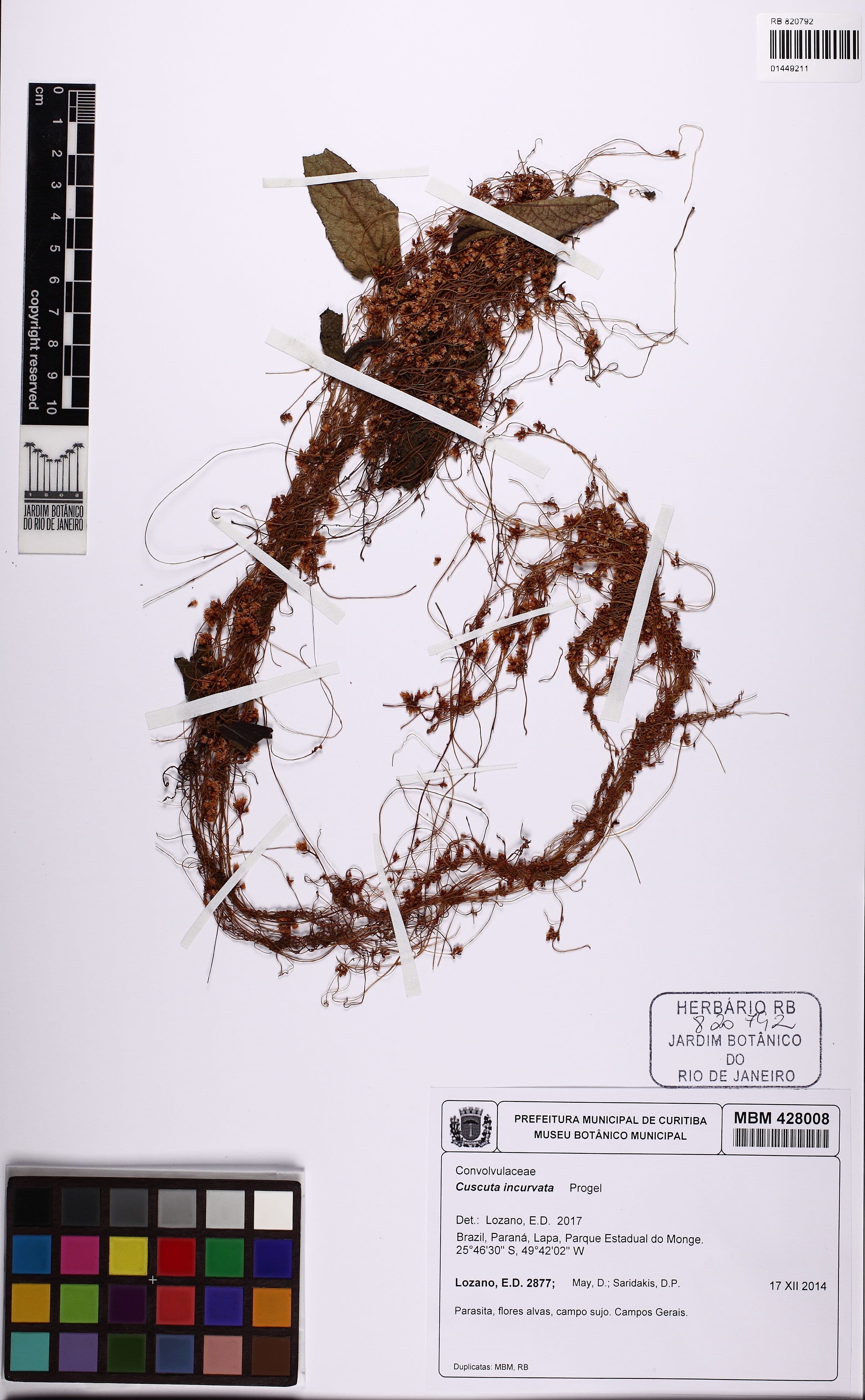
Cuscuta incurvata
Image: E.D. Lozano; D. Meyer, S. Silveira (cc-by)
NameCuscuta incurvata
Scientific NameCuscuta incurvata
Common NamesDodder
Plant FamilyConvolvulaceae
Natural HabitatThis species is found as a parasite on other plants in open fields and disturbed areas, as indicated by the specimen label mentioning 'campo sujo' (dirty field) in Campos Gerais, Brazil.
Parts Usedwhole_plant
Medicinal Actionsantioxidant, anti-inflammatory, diuretic
Traditional UsesWhile specific traditional uses for *Cuscuta incurvata* are not widely documented, other species within the *Cuscuta* genus (Dodder) are traditionally used in various pharmacopoeias for liver and kidney support, as a general tonic, for vision improvement, and to address inflammatory conditions.
Active Constituentsflavonoids, lignans, polysaccharides
Preparation Methodsinfusion, decoction, powder, tincture
Contraindications & WarningsDue to its parasitic nature and potential bioactive compounds, caution is advised. General contraindications for *Cuscuta* species include pregnancy, lactation, and potential interactions with anticoagulant or antidiabetic medications.
Cultivation NotesAs a parasitic plant, *Cuscuta incurvata* cannot be cultivated independently. It requires a suitable host plant to germinate and establish haustoria for nutrient absorption. Cultivation is generally not practical for medicinal purposes outside of its natural parasitic lifecycle.
Rarityuncommon
Description
Cuscuta incurvata is a parasitic annual plant characterized by its slender, thread-like, leafless stems that twine around host plants. It produces small, clustered flowers, typically white or pale, and lacks chlorophyll, obtaining nutrients entirely from its host.