Solanum volubile
NameSolanum volubile
Scientific NameSolanum volubile
Common NamesClimbing Nightshade, Forest Tomato
Plant FamilySolanaceae
Natural HabitatNative to tropical and subtropical regions of the Americas, it thrives in humid environments, often found in disturbed areas, forest edges, and secondary growth forests.
Parts Usedleaf,fruit,root
Medicinal Actionsanalgesic, anti-inflammatory, antimicrobial, antioxidant
Traditional UsesTraditionally, various parts of Solanum volubile and related Solanum species have been used in folk medicine for treating skin ailments, reducing inflammation, alleviating pain, and as a remedy for certain fevers. The leaves are sometimes applied externally as poultices for wounds or skin conditions, while other preparations have been used internally with caution.
Active Constituentssteroidal glycoalkaloids, saponins, flavonoids
Preparation Methodsinfusion, decoction, poultice
Contraindications & WarningsDue to the presence of steroidal glycoalkaloids, particularly in unripe fruits, all parts of the plant can be toxic if ingested in large quantities. Symptoms of poisoning may include gastrointestinal upset and neurological effects. It should be avoided by pregnant and breastfeeding women, children, and individuals with liver or kidney conditions, and used with extreme caution internally.
Cultivation NotesThis vigorous climber prefers warm, humid climates with well-drained soil and can grow in partial shade to full sun. It often requires support for its climbing habit and can be propagated from seeds or stem cuttings.
Raritycommon
Description
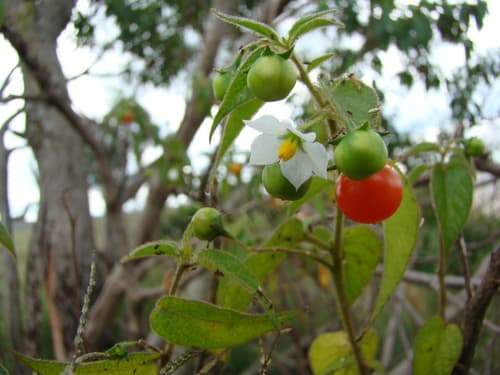
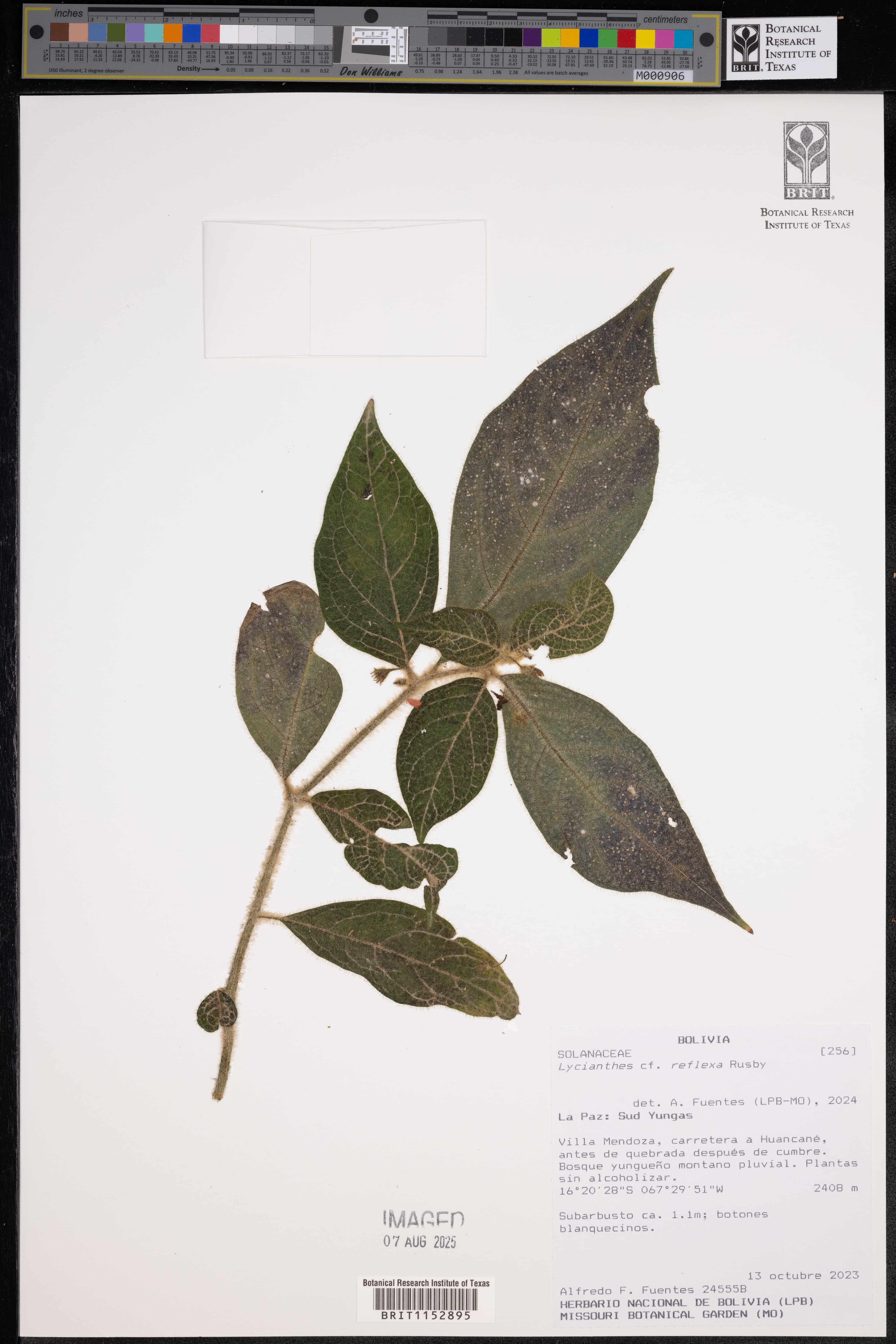
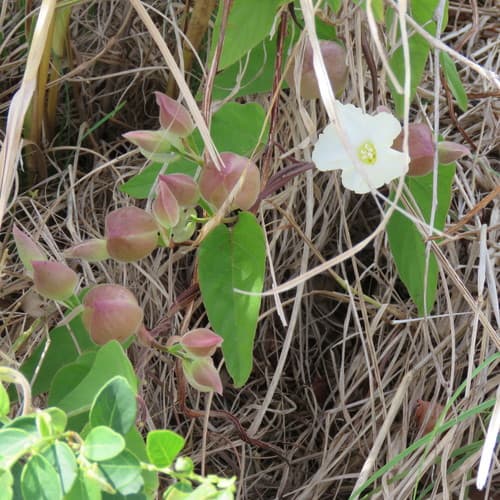
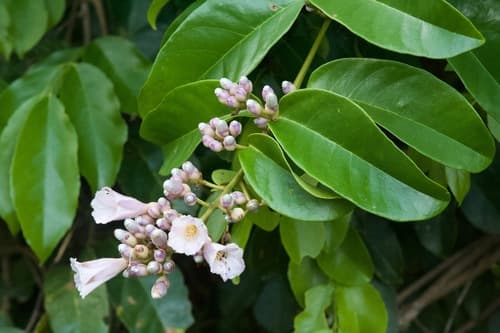
Solanum volubile is a perennial, herbaceous or woody vine characterized by its climbing habit and alternate, ovate to lanceolate leaves. It produces star-shaped flowers, typically white to pale purple, with prominent yellow anthers, followed by small, spherical green fruits that ripen to red or orange.