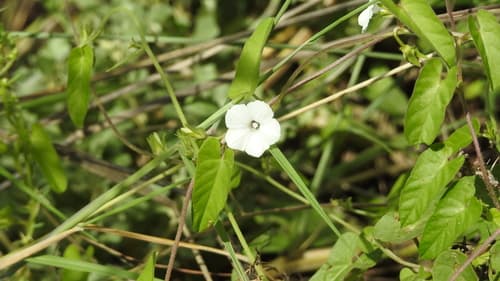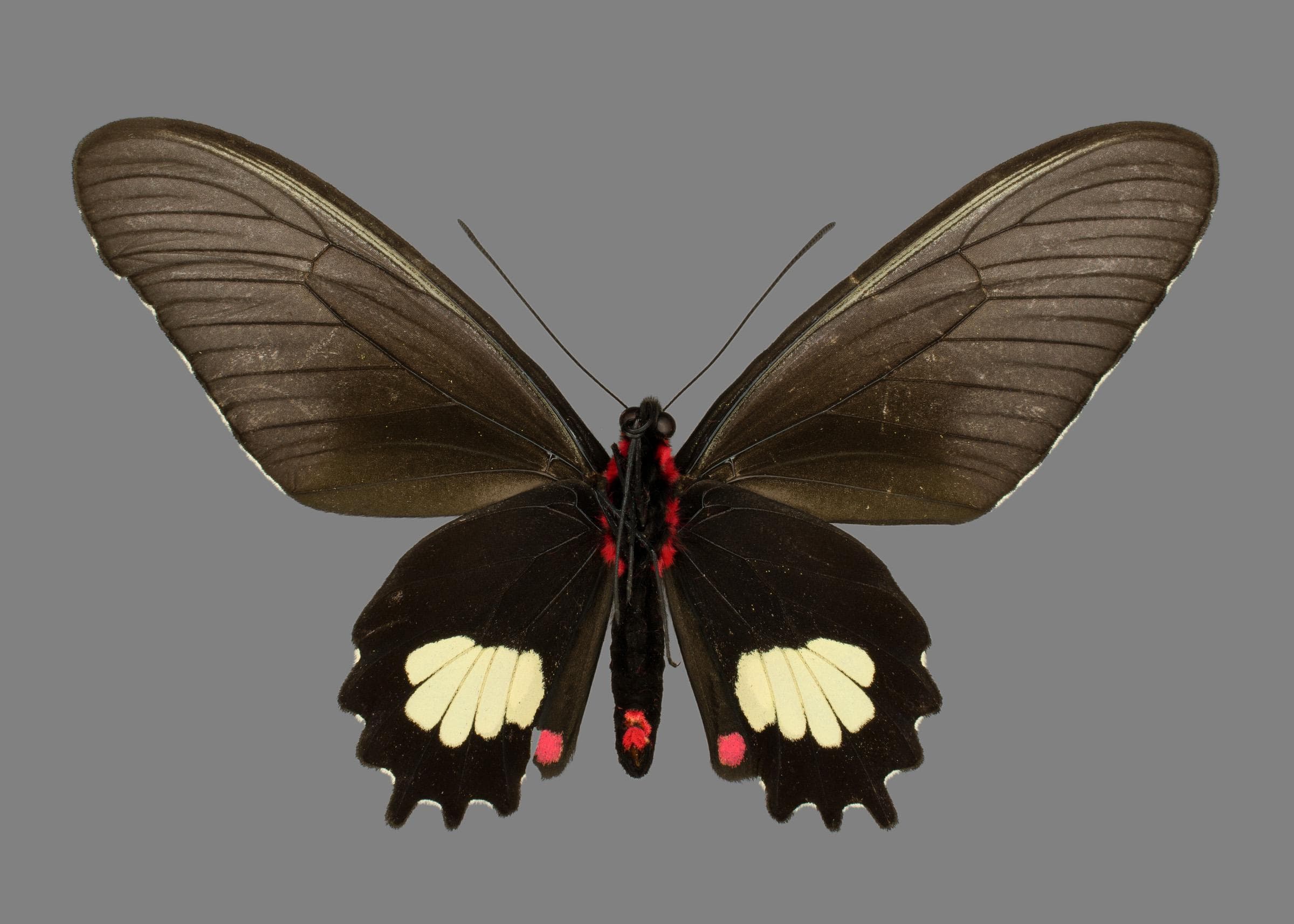
Kilimanjaro Swallowtail
NameKilimanjaro Swallowtail
Scientific NamePapilionanthe kilimanjarensis
Common NamesKilimanjaro Swallowtail, Mountain Butterfly Bush, Highland Spirit Flower
Plant FamilyLamiaceae
Natural HabitatEndemic to the montane and subalpine zones of volcanic mountains in East Africa, primarily found on the slopes of Mount Kilimanjaro, thriving in well-drained, rocky soils at elevations between 2,500 and 4,000 meters.
Parts Usedleaf,flower
Medicinal Actionsadaptogen, anti-inflammatory, antioxidant, nervine, expectorant
Traditional UsesTraditionally used by local communities for its adaptogenic properties to combat fatigue and altitude sickness. Infusions of the leaves and flowers are consumed to soothe respiratory ailments, reduce inflammation, and alleviate stress and anxiety.
Active Constituentsflavonoids, volatile_oils, terpenes, phenolic_acids
Preparation Methodsinfusion, tincture, powder, essential oil
Contraindications & WarningsDue to its rarity and limited research, pregnant or nursing individuals, and those with known allergies to Lamiaceae family plants should avoid use. Consult a healthcare professional before use, especially if on medication.
Cultivation NotesExtremely challenging to cultivate outside its natural high-altitude habitat. Requires cool temperatures, high humidity, well-drained acidic soil, and protection from strong winds. Propagation is typically from seed or cuttings, but success rates are low.
Rarityrare
Description
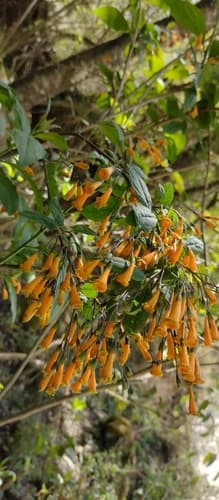
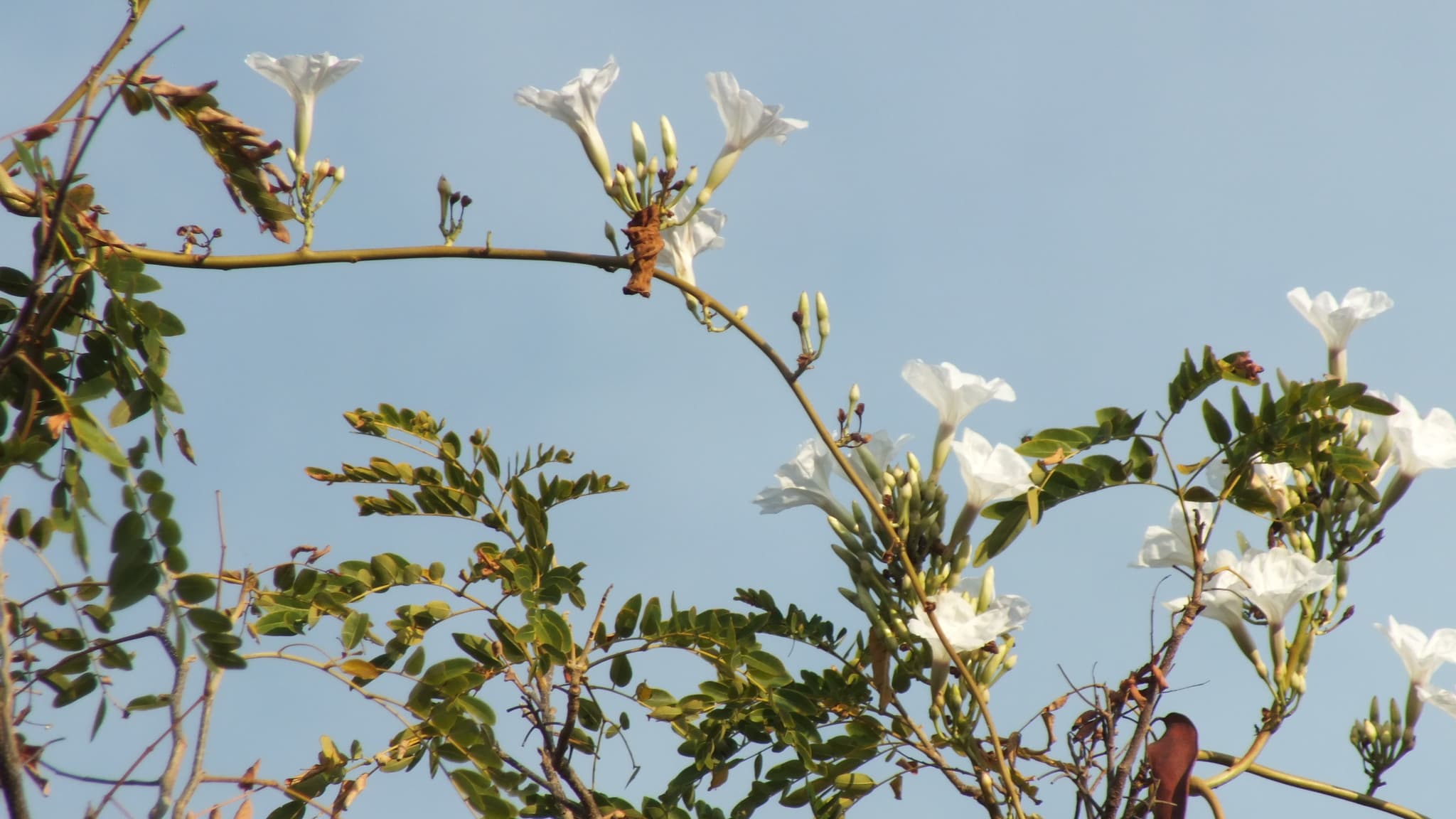
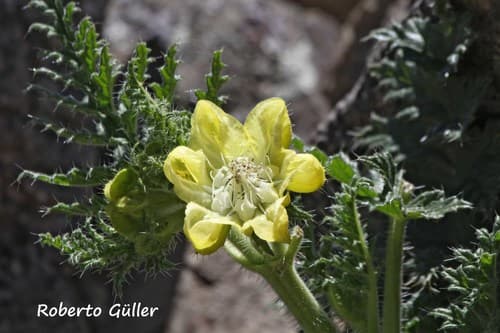
A rare perennial herb or small shrub native to the high-altitude regions of East Africa. It is characterized by its delicate, butterfly-shaped flowers that range from deep purple to white, and aromatic, lanceolate leaves.