Soapwort
NameSoapwort
Scientific NameSaponaria officinalis
Common NamesSoapwort, Bouncing Bet, Soapweed, Crow Soap, Sweet William
Plant FamilyCaryophyllaceae
Natural HabitatCommonly found in disturbed areas, roadsides, riverbanks, and meadows, often preferring moist, well-drained soils. It is native to Europe and Asia but has naturalized widely across temperate regions.
Parts Usedwhole_plant,root,leaf
Medicinal Actionsexpectorant, diuretic, antimicrobial, anti-inflammatory
Traditional UsesTraditionally, Soapwort has been used internally as an expectorant to help clear respiratory congestion from coughs and bronchitis, and as a diuretic for conditions like gout and rheumatism. Externally, it was applied as a poultice or wash to treat various skin conditions such as eczema, psoriasis, and acne, leveraging its cleansing and anti-inflammatory properties.
Active ConstituentsSaponins, Flavonoids
Preparation Methodsinfusion, decoction, tincture, poultice, powder
Contraindications & WarningsDue to its saponin content, high internal doses can cause gastrointestinal irritation, leading to nausea, vomiting, and diarrhea. It is generally not recommended for pregnant or breastfeeding women, or individuals with pre-existing gastrointestinal inflammation or ulcers. Prolonged internal use should be avoided.
Cultivation NotesSoapwort thrives in full sun to partial shade and prefers moist, well-drained soil. It is a vigorous grower and can spread aggressively via rhizomes, so it's often best planted in containers or areas where its spread can be contained. It can be propagated easily from seeds or root divisions.
Raritycommon
Description
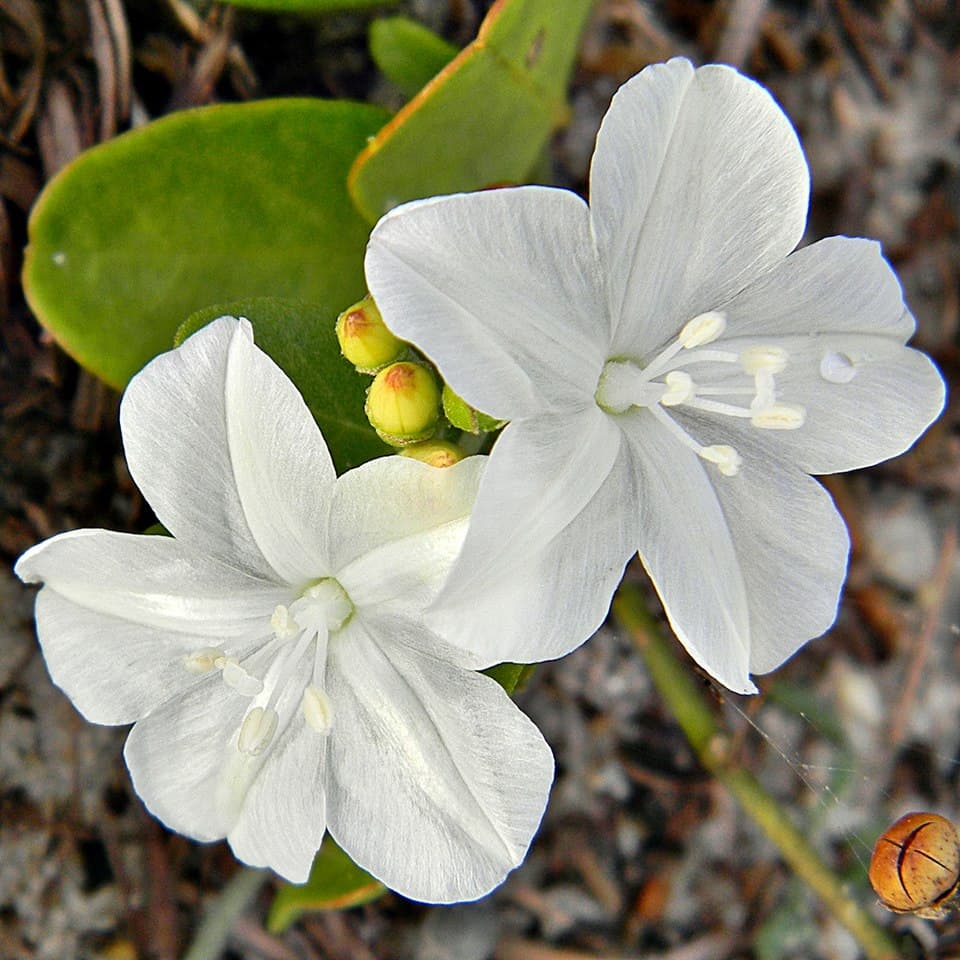
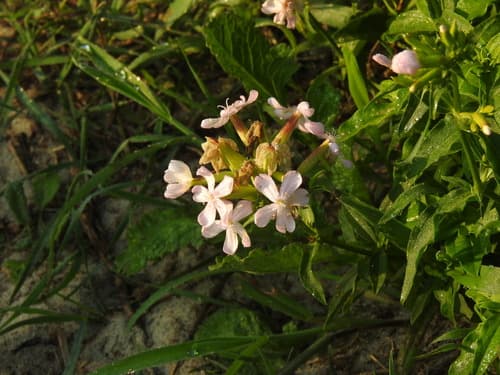
A robust perennial herbaceous plant, typically growing 1-3 feet tall, characterized by its lance-shaped, opposite leaves and clusters of fragrant, pale pink to white flowers, each with five petals. The plant is notable for its high saponin content, which produces a lather when crushed in water.