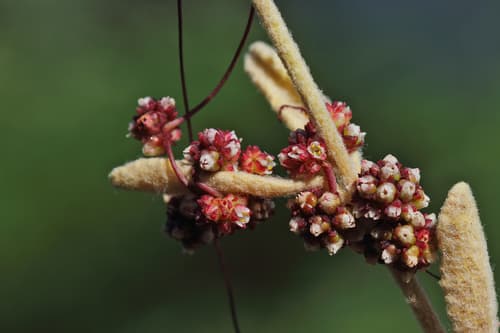
Cuscuta globulosa
NameCuscuta globulosa
Scientific NameCuscuta globulosa
Common NamesDodder, Love Vine
Plant FamilyConvolvulaceae
Natural HabitatAs a parasitic plant, it grows on various host plants in disturbed areas, fields, roadsides, and natural ecosystems, typically in temperate to tropical regions where its host plants thrive.
Parts Usedwhole_plant,seed
Medicinal Actionsadaptogen, anti-inflammatory, antioxidant, diuretic
Traditional UsesTraditionally, Cuscuta seeds (known as Tu Si Zi in TCM) are used to tonify the kidney and liver, improve vision, strengthen bones, and treat conditions such as impotence, premature ejaculation, frequent urination, and infertility. The whole plant has also been used for general liver and kidney support.
Active ConstituentsFlavonoids, Lignans, Polysaccharides, Saponins, Alkaloids
Preparation Methodsinfusion, decoction, tincture, powder
Contraindications & WarningsContraindicated during pregnancy, lactation, and for individuals with yin deficiency with heat signs or constipation. Potential interactions with blood thinners or hormone-sensitive conditions due to phytoestrogenic effects.
Cultivation NotesCuscuta species are parasitic and generally considered agricultural weeds, not typically cultivated for medicinal purposes. Successful cultivation would require a suitable host plant.
Raritycommon
Description
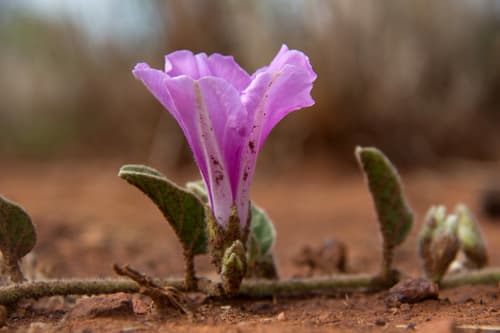
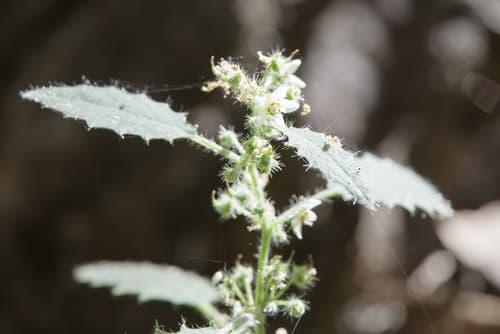
Cuscuta globulosa is a parasitic vine characterized by its thread-like, leafless stems that twine around host plants. It produces clusters of small, globose flowers, often whitish to reddish, as seen in the image.