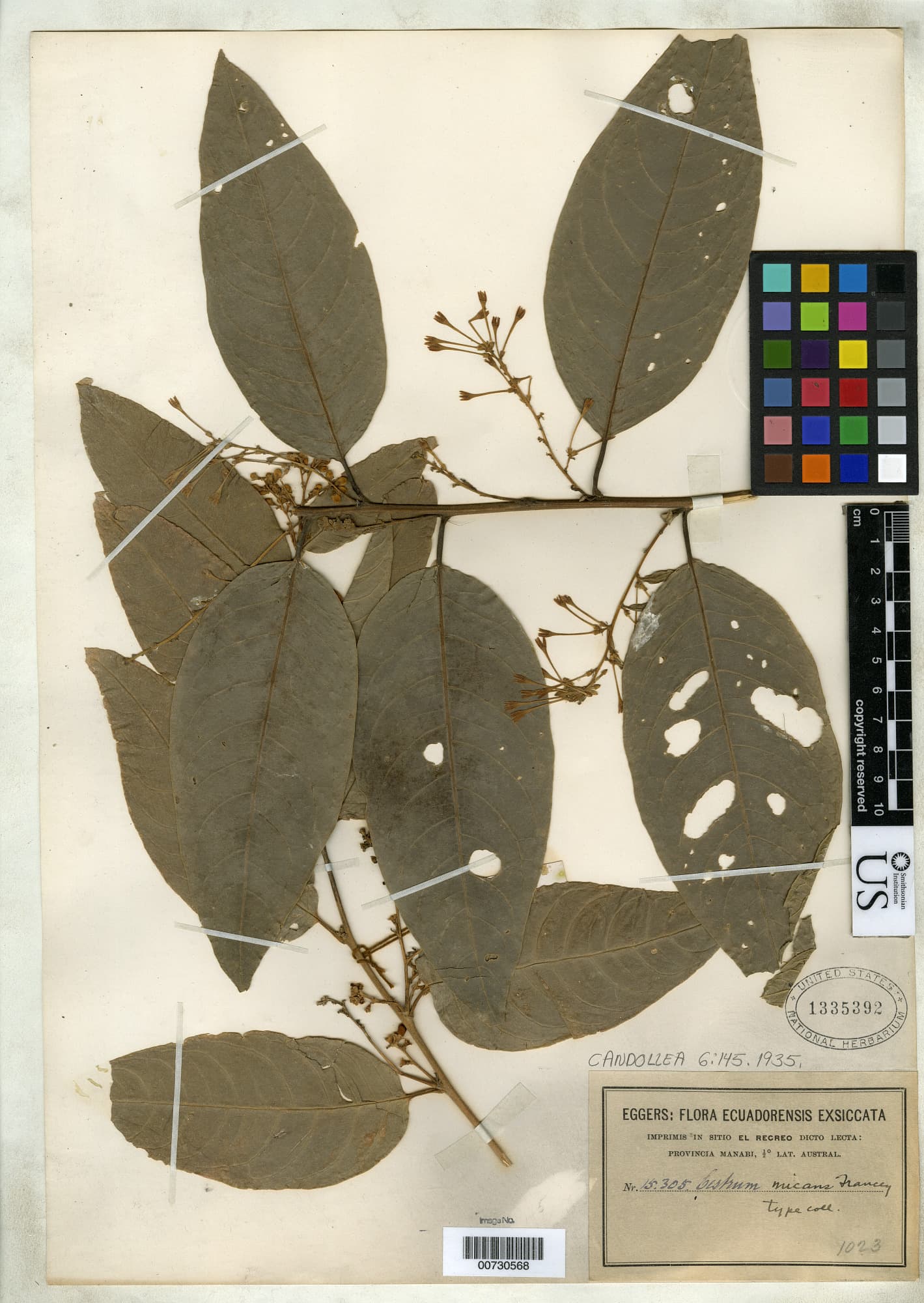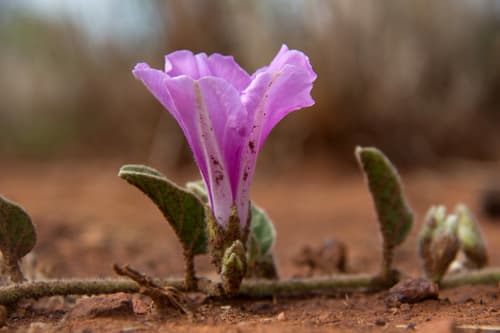
Ipomoea fulvicaulis
NameIpomoea fulvicaulis
Scientific NameIpomoea fulvicaulis
Common NamesHairy Morning Glory, Bushveld Morning Glory
Plant FamilyConvolvulaceae
Natural HabitatNative to Southern Africa, it thrives in arid and semi-arid regions, commonly found in grasslands, savannas, open woodlands, and disturbed areas, preferring sandy or rocky, well-drained soils.
Parts Usedroot,leaf,whole_plant
Medicinal Actionsanti-inflammatory, antimicrobial, antioxidant
Traditional UsesWhile specific traditional uses for Ipomoea fulvicaulis are not extensively documented, other species within the Ipomoea genus are traditionally used for their purgative properties, to treat skin conditions, wounds, and as general tonics. It is likely that I. fulvicaulis shares some of these general applications within its native range, potentially for digestive complaints or external skin ailments.
Active ConstituentsResin glycosides
Preparation Methodsdecoction, powder, poultice
Contraindications & WarningsDue to the presence of potent resin glycosides, ingestion can cause strong purgative effects, severe gastrointestinal upset, nausea, and vomiting. It should be avoided by pregnant or breastfeeding women, and individuals with gastrointestinal disorders.
Cultivation NotesThis plant prefers full sun exposure and requires well-drained soil, demonstrating high tolerance to drought and poor soil conditions. It can be propagated from seeds or by dividing its woody rootstock.
Raritycommon
Description
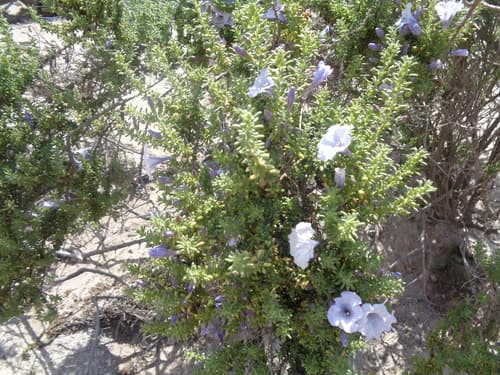
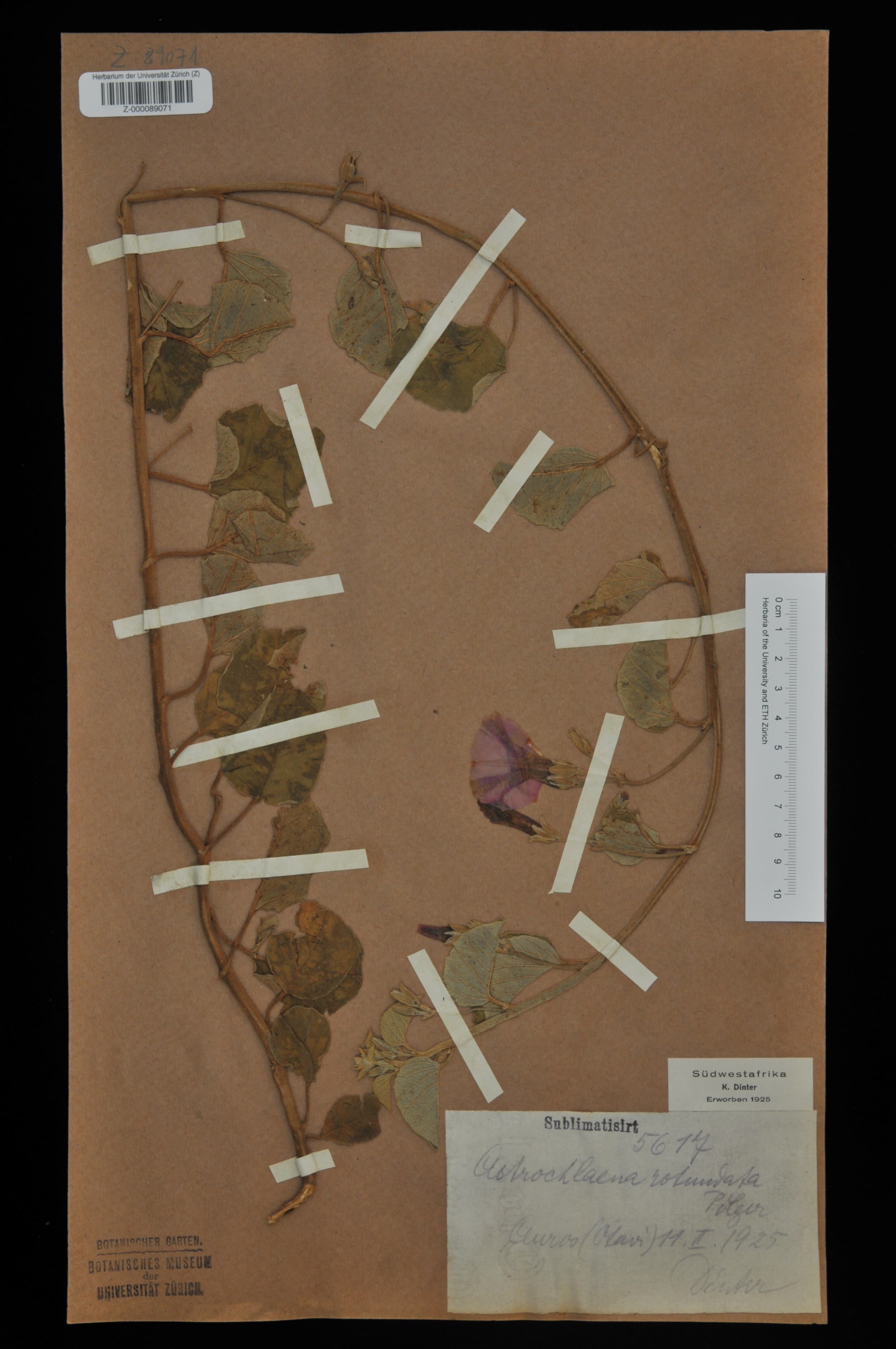
This perennial herb typically grows as a prostrate or scrambling vine, characterized by stems and leaves densely covered in soft, tawny hairs. It produces distinctive funnel-shaped flowers, usually pink to purplish-pink, emerging from the leaf axils.