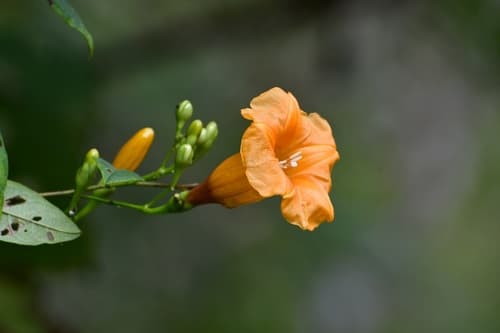
Ipomoea aurantiaca
NameIpomoea aurantiaca
Scientific NameIpomoea aurantiaca
Common NamesOrange Morning Glory, Morning Glory
Plant FamilyConvolvulaceae
Natural HabitatThis species is generally found in tropical and subtropical regions, often thriving in disturbed areas, open woodlands, and along roadsides. It prefers warm climates and can be found in various soil types, provided they are well-drained.
Parts Usedseed,root
Medicinal Actionsantioxidant
Traditional UsesSpecific traditional medicinal uses for Ipomoea aurantiaca are not well-documented in ethnobotanical literature. However, many species within the Ipomoea genus are traditionally known for their purgative properties, often utilizing the seeds or roots, though this specific species is primarily recognized for its ornamental value.
Active ConstituentsResin glycosides
Preparation Methodspowder, decoction
Contraindications & WarningsDue to the presence of resin glycosides in many Ipomoea species, ingestion of seeds or roots can cause strong purgative effects, leading to gastrointestinal discomfort, cramping, and dehydration. Some Ipomoea species also contain psychoactive alkaloids, and caution should be exercised as toxicity can vary greatly between species.
Cultivation NotesIpomoea aurantiaca thrives in full sun to partial shade and requires well-drained soil. It is a vigorous climber and benefits from a trellis or other support structure. It is relatively drought-tolerant once established but prefers consistent moisture during its growing season.
Raritycommon
Description
Ipomoea aurantiaca is a vining plant characterized by its vibrant orange, trumpet-shaped flowers. It typically features heart-shaped or lobed leaves and climbs using twining stems, producing numerous flower buds along its length.