Hydrangea hypoglauca
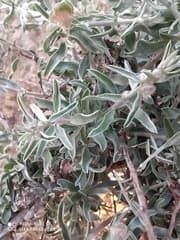
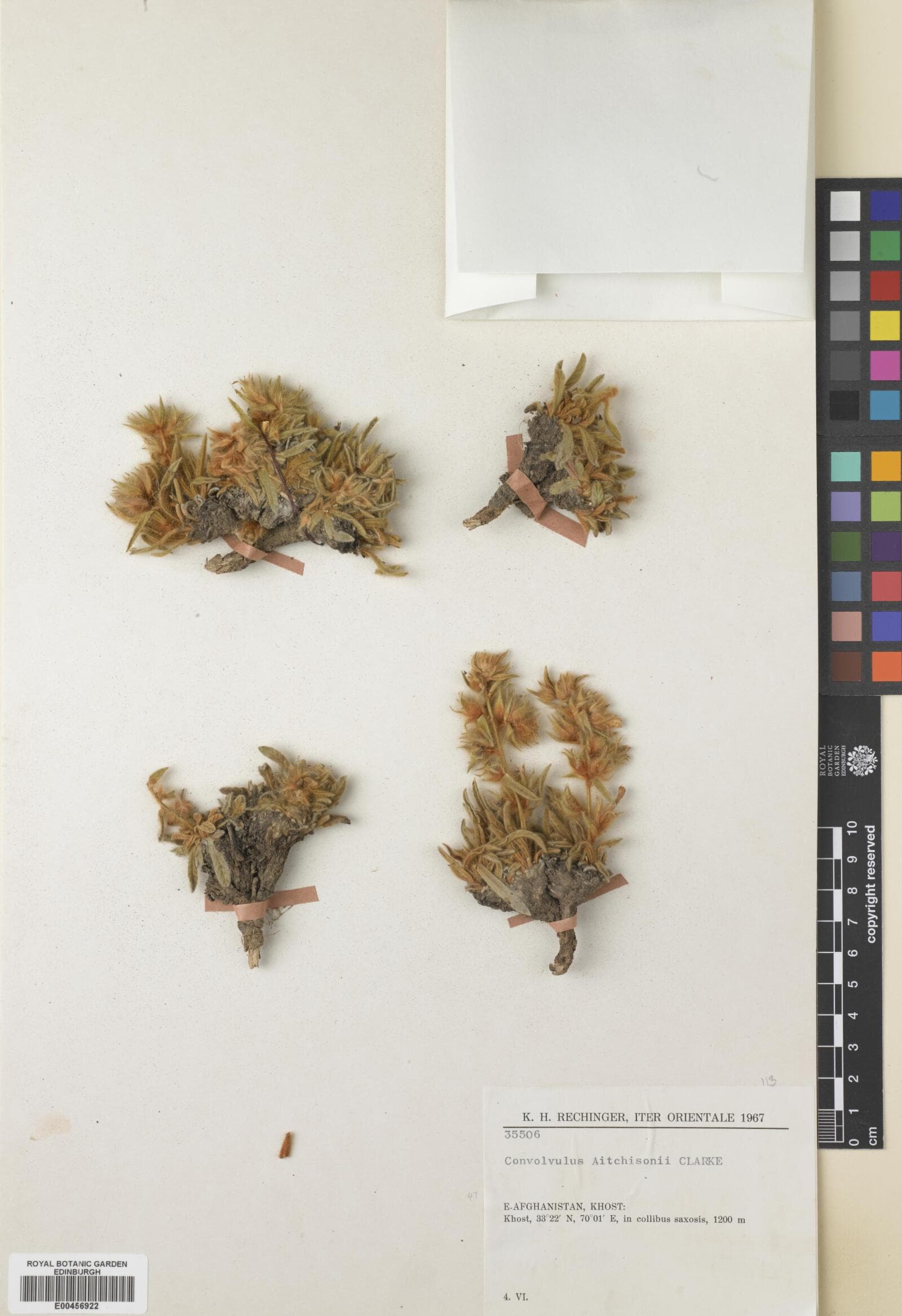
Image: Royal Botanic Garden Edinburgh (cc0)
NameHydrangea hypoglauca
Scientific NameHydrangea hypoglauca Rehder
Common NamesGlaucous-leaved Hydrangea, Hydrangea hypoglauca
Plant FamilyHydrangeaceae
Natural HabitatNative to mountainous regions of Sichuan (Szechuan), China, often found on mountain slopes.
Parts Usedroot,leaf,flower
Medicinal Actionsdiuretic, anti-inflammatory
Traditional UsesWhile specific traditional uses for *Hydrangea hypoglauca* are not widely documented, other species of Hydrangea, particularly *Hydrangea arborescens*, have been traditionally used in herbal medicine for urinary tract issues, kidney and bladder stones, and prostate health due to their diuretic and lithotriptic properties.
Active Constituentshydrangin, saponins, flavonoids, coumarins
Preparation Methodsdecoction, infusion, tincture
Contraindications & WarningsMay cause gastrointestinal upset in some individuals. Caution is advised for those with kidney disease or those taking diuretic medications. Consult a healthcare professional before use.
Cultivation NotesPrefers moist, well-drained soil and partial shade. It is a woody shrub that can reach a height of 6 feet, with flowers typically appearing in August.
Rarityuncommon
Description
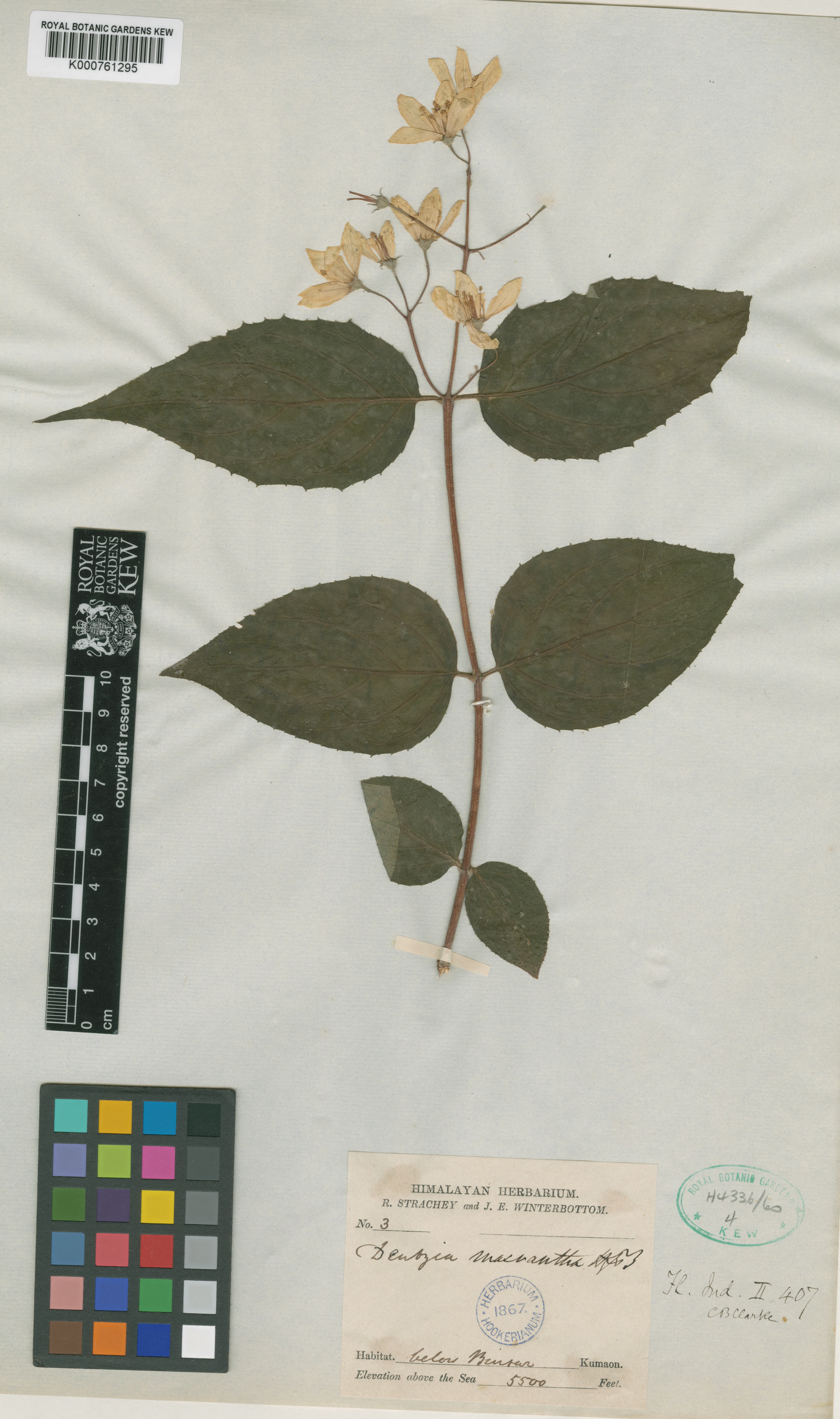
A woody shrub native to China, characterized by its ovate to elliptic leaves, often with glaucous (bluish-green) undersides. It produces terminal corymbose inflorescences of white flowers, typically blooming in summer.