Cuscuta blepharolepis
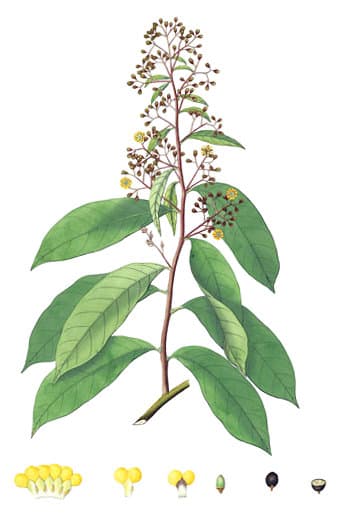
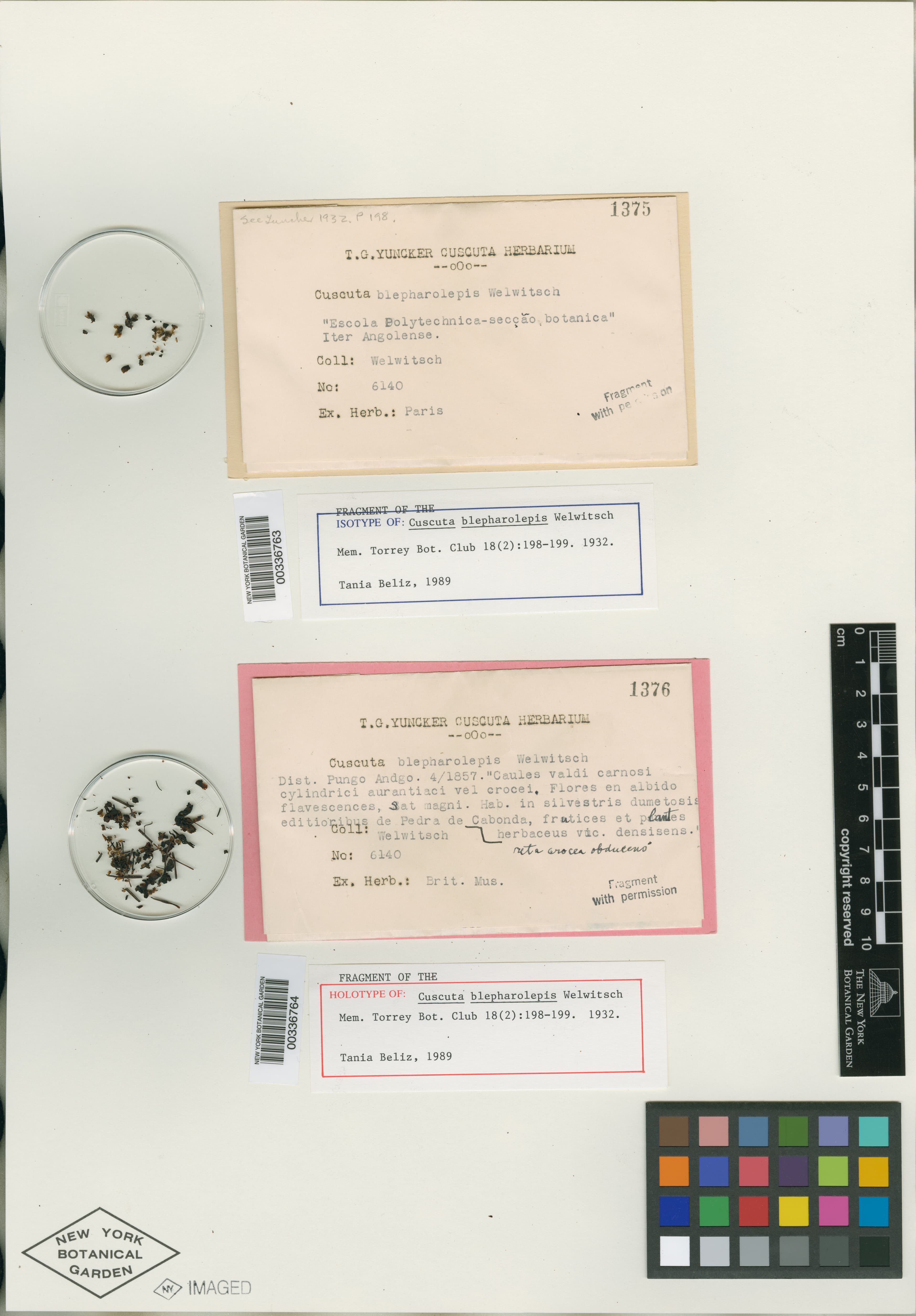
Image: The New York Botanical Garden (cc-by)
NameCuscuta blepharolepis
Scientific NameCuscuta blepharolepis
Common NamesDodder, Love Vine, Strangleweed
Plant FamilyConvolvulaceae
Natural HabitatNative to Angola, this parasitic plant thrives in dense shrubby forests and on various herbaceous host plants. It has been collected in regions such as Pungo Andgo and Cabonda.
Parts Usedwhole_plant,seed
Medicinal Actionsadaptogen, anti-inflammatory, antimicrobial, antioxidant, diuretic
Traditional UsesTraditionally, various Cuscuta species are used to tonify the kidneys and liver, improve vision, strengthen bones, and address reproductive issues like impotence, premature ejaculation, and frequent urination. It is also employed as a general tonic and for certain skin conditions.
Active ConstituentsFlavonoids, Lignans, Polysaccharides, Saponins
Preparation Methodsinfusion, decoction, tincture, powder
Contraindications & WarningsCaution is advised during pregnancy and lactation. Due to its parasitic nature, it should not be consumed by individuals with severe digestive issues or those on immunosuppressants without professional guidance.
Cultivation NotesAs a parasitic plant, Cuscuta blepharolepis cannot be cultivated independently and requires a host plant to grow. Cultivation for medicinal purposes is impractical, and it is typically wild-harvested.
Rarityuncommon
Description
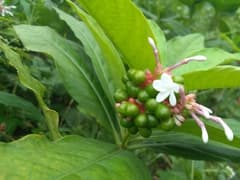
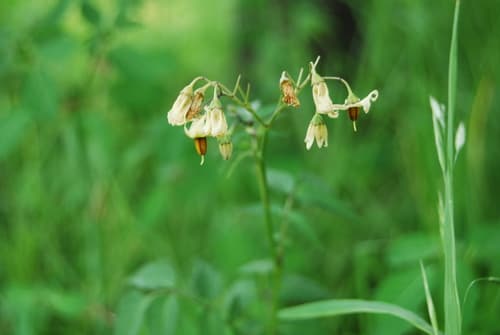
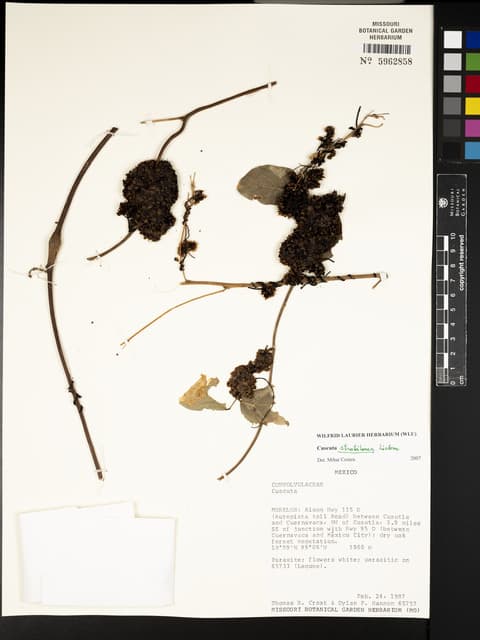
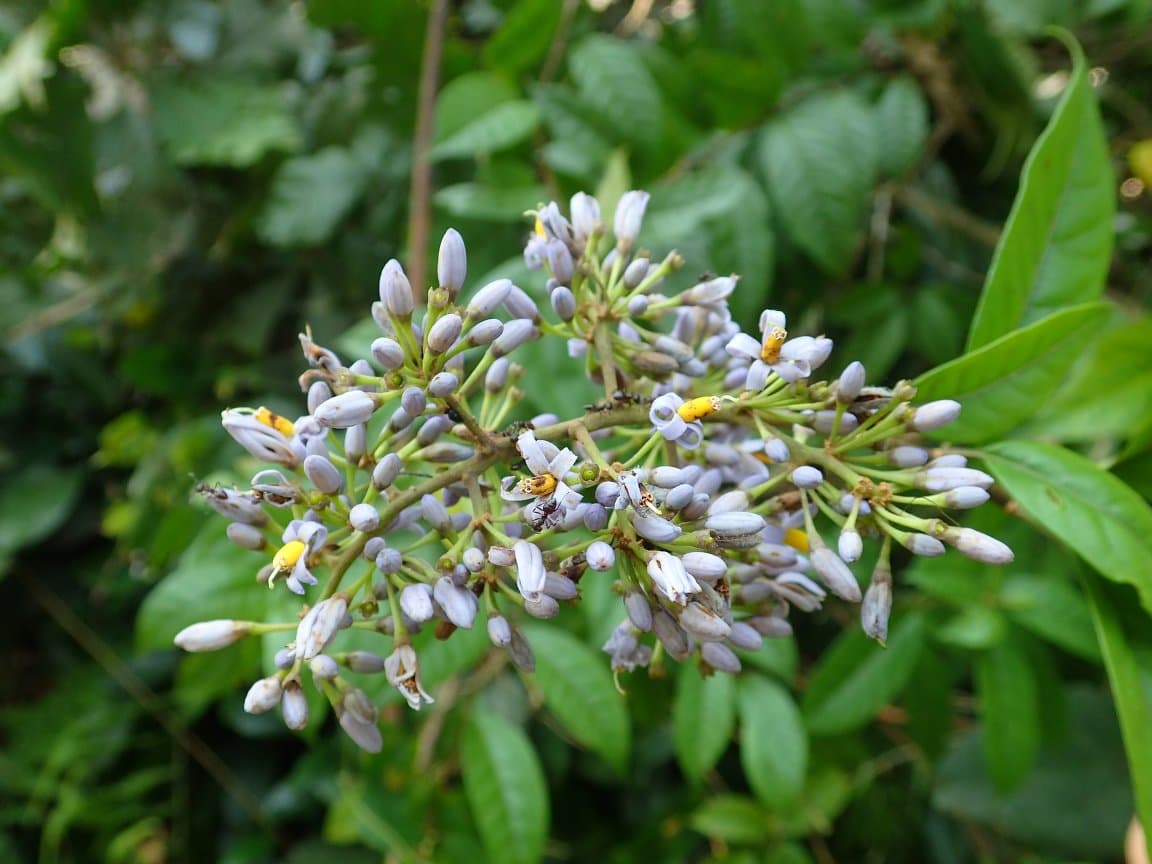
Cuscuta blepharolepis is a parasitic vine characterized by its fleshy, cylindrical stems that are typically orange or saffron-colored. It produces whitish-yellowish, relatively large flowers and lacks true leaves, relying entirely on host plants for nutrients.