Solanum welwitschii
Image: Nicolas Texier (cc-by-nc)
NameSolanum welwitschii
Scientific NameSolanum welwitschii C.H.Wright
Common NamesWelwitsch's Nightshade
Plant FamilySolanaceae
Natural HabitatNative to tropical Africa, including Angola, Congo, and Zambia, this species typically thrives in woodlands, savannas, forest margins, and disturbed areas, often found at medium altitudes.
Parts Usedleaf,fruit
Traditional UsesSpecific traditional medicinal uses for Solanum welwitschii are not widely documented in readily available ethnobotanical literature. However, various species within the Solanum genus in Africa are traditionally used for a range of ailments, including pain, inflammation, skin conditions, and fevers, often requiring careful preparation due to potential toxicity.
Active Constituentssteroidal glycoalkaloids, flavonoids, saponins
Preparation Methodsinfusion, decoction, poultice
Contraindications & WarningsDue to the presence of potentially toxic steroidal glycoalkaloids, common in the Solanum genus, ingestion should be avoided, especially of unripe fruits and leaves. Symptoms of toxicity can include gastrointestinal upset, neurological disturbances, and cardiac issues.
Cultivation NotesThis plant prefers warm, tropical to subtropical climates. It requires well-drained soil and can tolerate conditions ranging from full sun to partial shade. Propagation is typically achieved by seed.
Rarityuncommon
Description
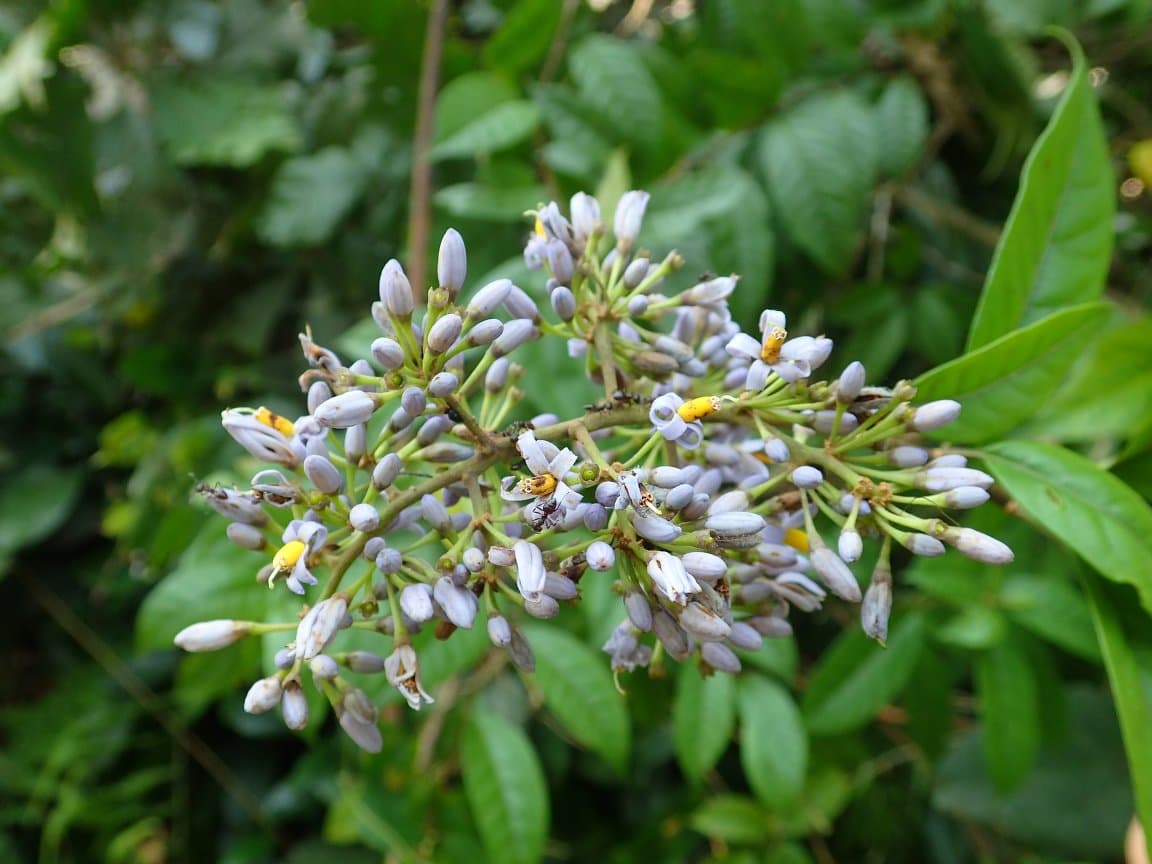
Solanum welwitschii is a shrub or small tree characterized by clusters of small, pale lilac to white flowers, each featuring prominent yellow anthers, arranged in terminal or axillary cymes. Its leaves are simple, ovate to elliptic, and a vibrant green.