Cuscuta alata
NameCuscuta alata
Scientific NameCuscuta alata
Common NamesDodder, Winged Dodder, Witches' Shoelaces
Plant FamilyConvolvulaceae
Natural HabitatAs a parasitic plant, Cuscuta alata grows on a variety of host plants in diverse habitats, including fields, disturbed areas, roadsides, and natural ecosystems. It requires a living host for survival and nutrient acquisition.
Parts Usedseed,whole_plant
Medicinal Actionsadaptogen, antioxidant, diuretic, anti-inflammatory
Traditional UsesTraditionally, species of Cuscuta, particularly their seeds (known as Tu Si Zi in TCM), are used as a kidney and liver tonic. They are employed to address conditions such as impotence, premature ejaculation, frequent urination, lower back pain, blurred vision, and tinnitus. It is also believed to strengthen bones and tendons.
Active Constituentsflavonoids, lignans, polysaccharides, coumarins
Preparation Methodsinfusion, decoction, powder, tincture
Contraindications & WarningsCuscuta species should be used with caution during pregnancy. Individuals with excess heat or yin deficiency with heat signs should avoid its use. Potential interactions with medications that affect kidney function or hormones should be considered.
Cultivation NotesCuscuta alata, like other dodder species, is an obligate parasitic plant and cannot be cultivated independently. It requires a living host plant to germinate and grow, making traditional cultivation methods impractical. It is often considered an agricultural weed.
Raritycommon
Description
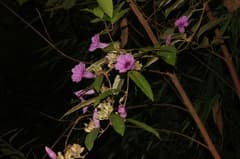
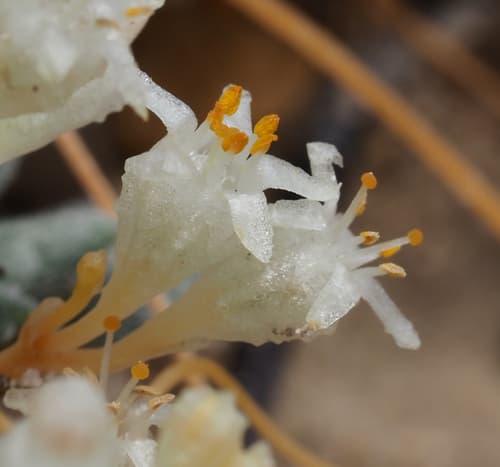
Cuscuta alata is an obligate parasitic plant, characterized by its thread-like, leafless, yellowish to whitish stems that twine around host plants. It produces small, clustered, whitish, bell-shaped flowers with prominent orange anthers, as seen in the image. The species name 'alata' refers to the winged calyx of its flowers.