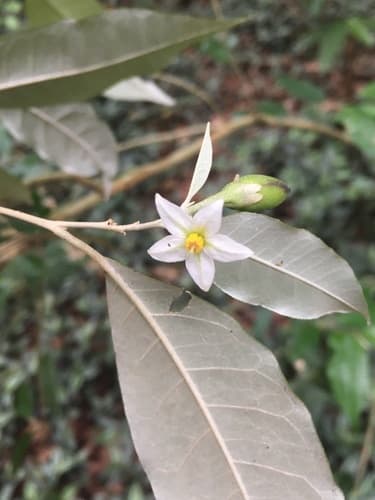
Solanum argenteum
NameSolanum argenteum
Scientific NameSolanum argenteum
Common NamesSilverleaf Nightshade, Silvery Nightshade
Plant FamilySolanaceae
Natural HabitatNative to tropical and subtropical regions, often found in disturbed areas, forest margins, and open woodlands, thriving in warm climates.
Parts Usedleaf,fruit,root
Medicinal Actionsanalgesic, anti-inflammatory, antimicrobial, diuretic
Traditional UsesTraditionally, various parts of Solanum argenteum (or closely related species often confused with it) have been used in folk medicine. Leaves and roots are sometimes prepared as decoctions or infusions for their purported anti-inflammatory, analgesic, and diuretic properties, used for fevers, pain relief, and certain skin conditions. The fruits, though potentially toxic, have also been used in some traditional systems, often with caution.
Active ConstituentsSteroidal glycoalkaloids, Solasodine, Solamargine, Saponins, Flavonoids
Preparation Methodsinfusion, decoction, poultice
Contraindications & WarningsAll parts of Solanum argenteum, especially unripe fruits, contain steroidal glycoalkaloids which can be toxic. Ingestion can cause gastrointestinal upset, neurological symptoms, and other adverse effects. It should be avoided by pregnant or nursing women, children, and individuals with liver or kidney conditions. Use only under expert supervision due to potential toxicity.
Cultivation NotesThis plant prefers full sun to partial shade and well-drained soil. It is relatively hardy and can tolerate various soil types, thriving in warm, humid conditions. Propagation is typically by seed.
Raritycommon
Description
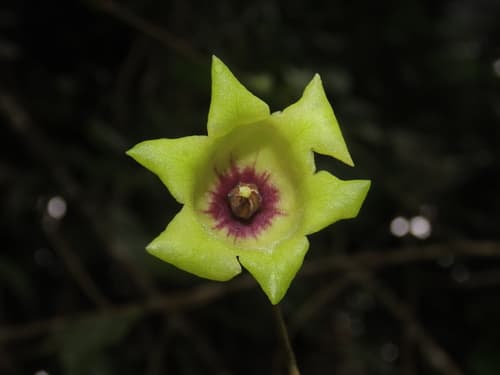
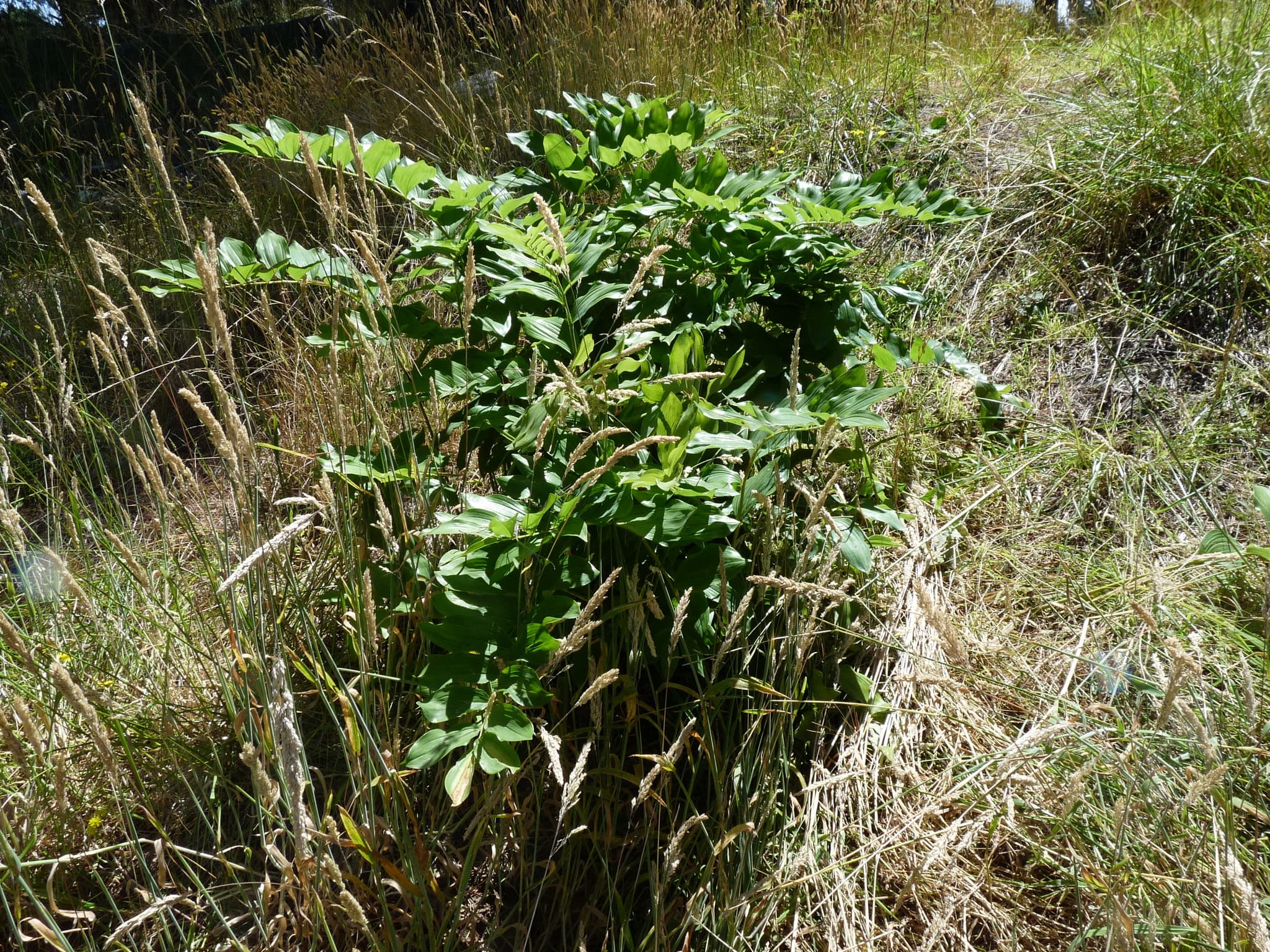
A shrub or small tree characterized by its leaves, which are often covered in fine, silvery hairs, especially on the underside, giving them a distinctive appearance. It produces small, star-shaped white flowers with prominent yellow anthers, typically arranged in clusters, followed by berries.