Lemongrass
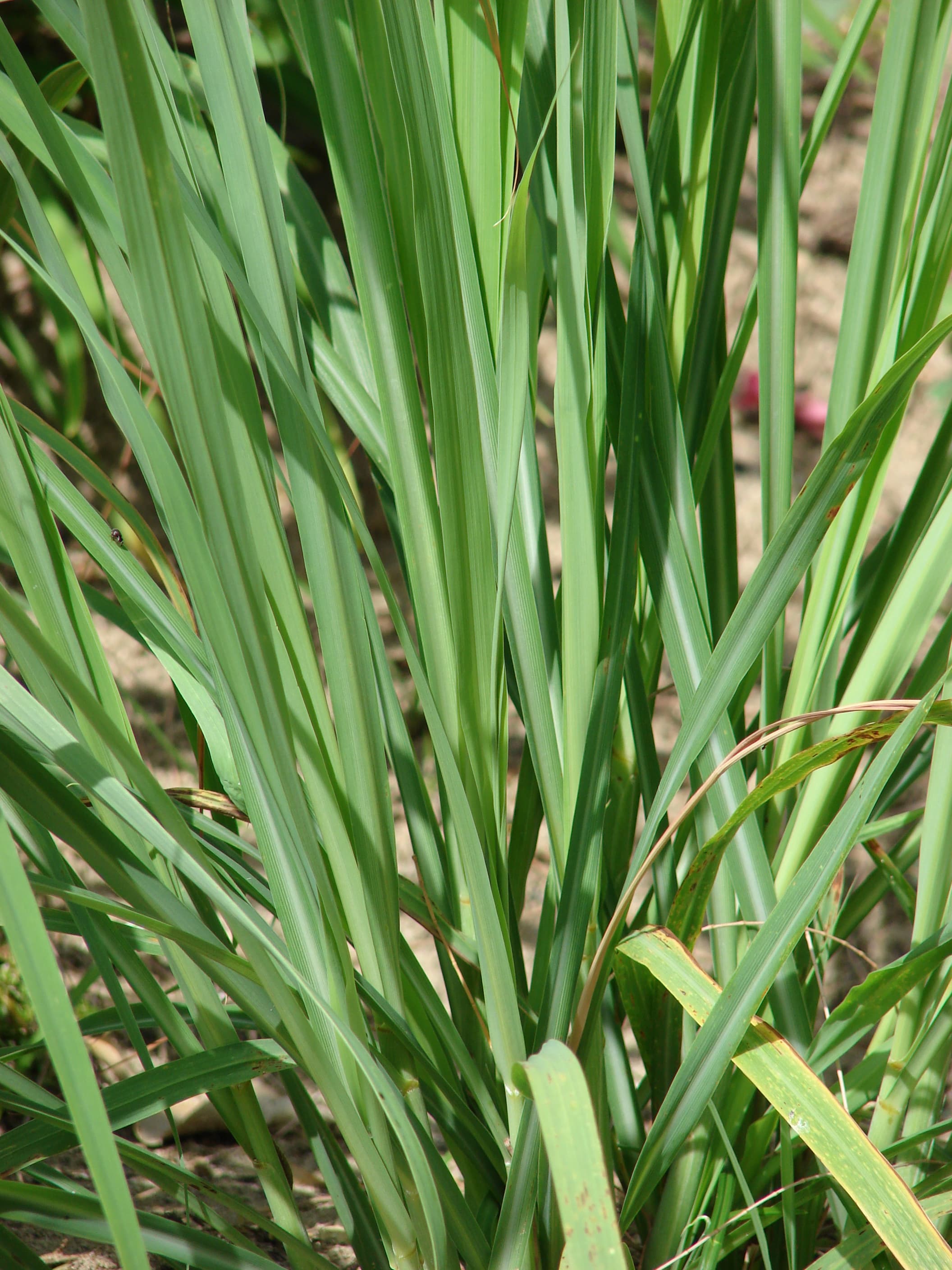
Image: Forest & Kim Starr (CC BY 3.0)
NameLemongrass
Scientific NameCymbopogon citratus
Common NamesLemongrass, Lemon Grass, West Indian Lemongrass, Fever Grass
Plant FamilyPoaceae
Natural HabitatNative to tropical and subtropical regions of Southeast Asia, it thrives in warm, humid climates with full sun and well-drained, fertile soil. It is commonly cultivated in gardens and agricultural fields worldwide.
Parts Usedleaf,whole_plant
Medicinal Actionsanti-inflammatory, antimicrobial, antioxidant, carminative, diuretic, nervine, sedative
Traditional UsesTraditionally used to alleviate digestive issues such as bloating and indigestion, and to reduce fever and headaches. It is also employed as a mild sedative to promote relaxation and improve sleep, and topically as an insect repellent. In many cultures, it is consumed as a tea for its calming and detoxifying effects.
Active ConstituentsCitral, Myrcene, Geraniol, Limonene
Preparation Methodsinfusion, essential oil, powder, tincture
Contraindications & WarningsGenerally safe in culinary amounts. High doses of essential oil should be avoided orally. Pregnant or breastfeeding women should use with caution. May interact with certain medications, including blood thinners and chemotherapy drugs.
Cultivation NotesPrefers full sun and well-drained, fertile soil. Requires warm temperatures and consistent moisture, making it suitable for tropical and subtropical climates. Can be propagated from stalks placed in water or from seeds/cuttings, and grown in pots in cooler regions to be brought indoors during winter.
Raritycommon
Description
Lemongrass is a tall, perennial grass forming dense clumps of stiff, linear, blade-like leaves that emit a strong lemon scent when bruised. It can grow up to 3-5 feet tall, characterized by its fibrous stalks and vibrant green foliage. The plant is widely cultivated for its culinary and medicinal properties.