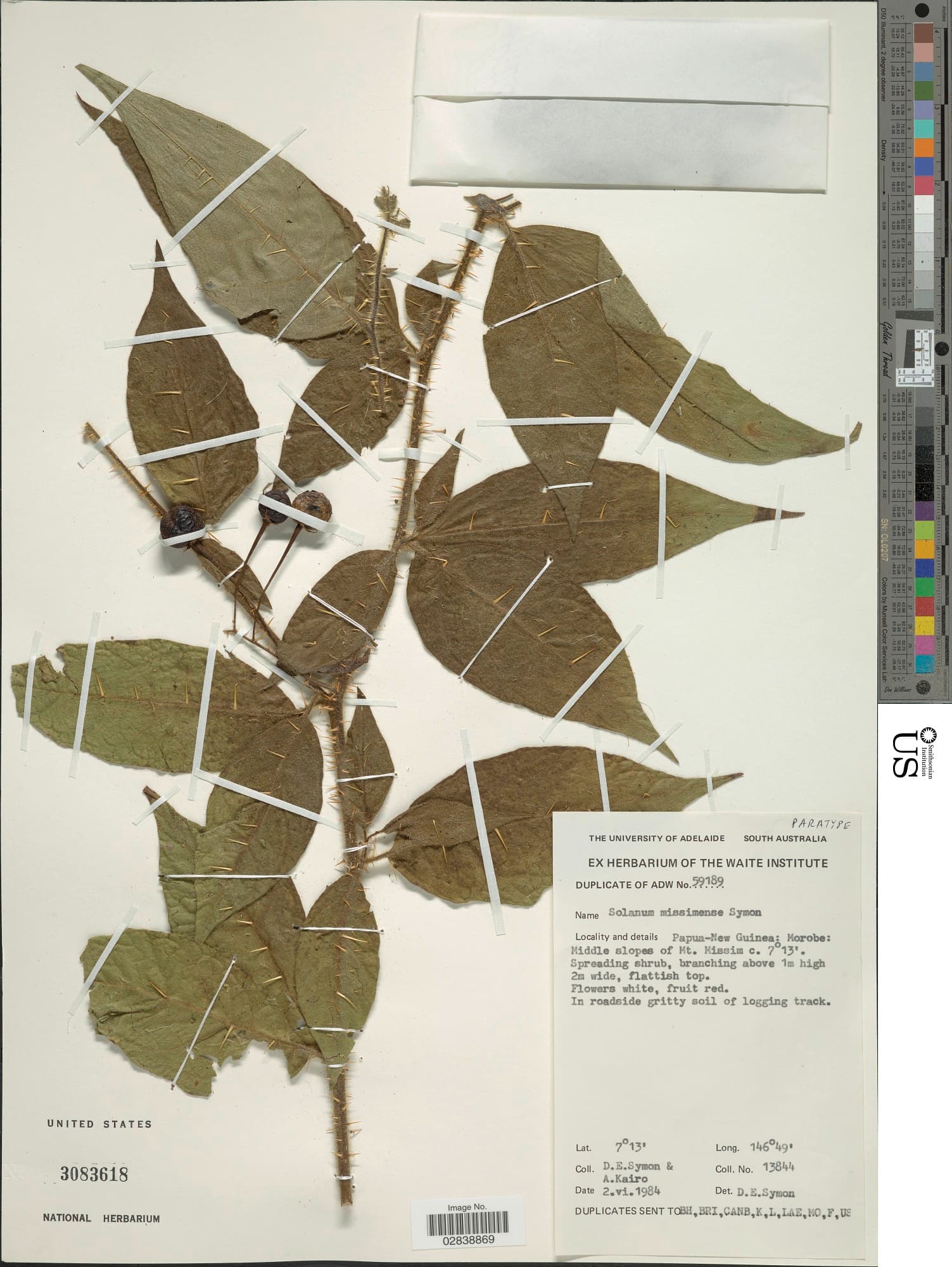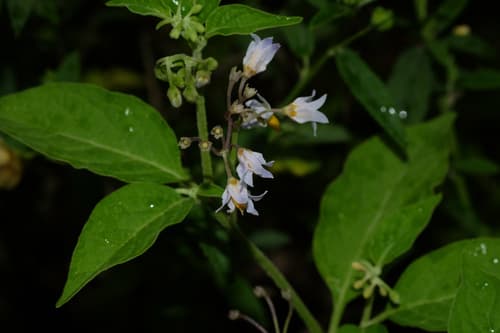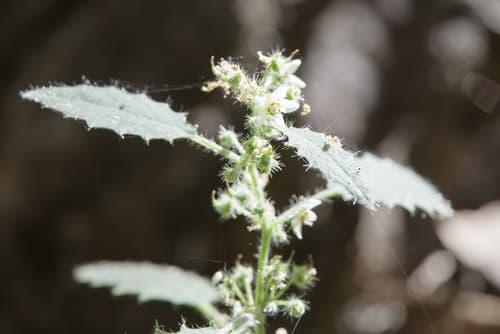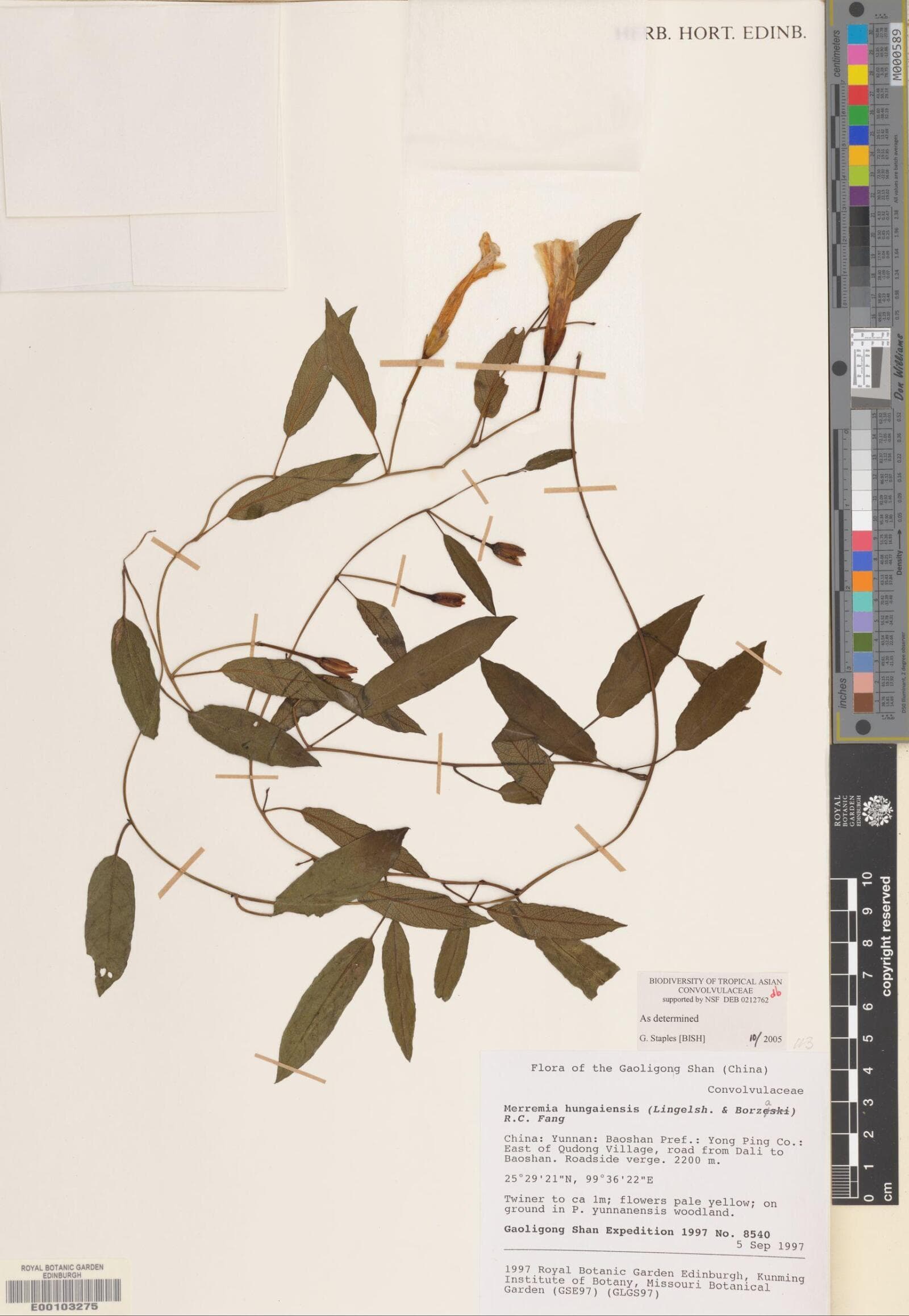
Convolvulus secundus
NameConvolvulus secundus
Scientific NameConvolvulus secundus
Common NamesSouthern Bindweed, Cantabrian Bindweed, Bindweed
Plant FamilyConvolvulaceae
Natural HabitatFound in dry, rocky, sandy, or calcareous soils, often in Mediterranean scrublands, grasslands, roadsides, and disturbed areas. It thrives in full sun and is drought-tolerant.
Parts Usedwhole_plant
Medicinal Actionsdiuretic
Traditional UsesHistorically, some Convolvulus species, including those botanically similar to 'Convolvulus secundus' (such as Convolvulus cantabrica), have been used as strong purgatives to treat severe constipation. Due to their potent effects and potential toxicity, their internal use is generally discouraged in modern herbalism.
Active ConstituentsResin glycosides
Preparation Methodsdecoction, powder
Contraindications & WarningsPregnancy, breastfeeding, young children, individuals with gastrointestinal inflammation, bowel obstruction, or dehydration. All Convolvulus species should be used with extreme caution due to potential toxicity and strong purgative effects.
Cultivation NotesPrefers full sun and well-drained, often poor or sandy soils. It is drought-tolerant once established and can be considered a weed in some agricultural contexts due to its vigorous growth.
Raritycommon
Description
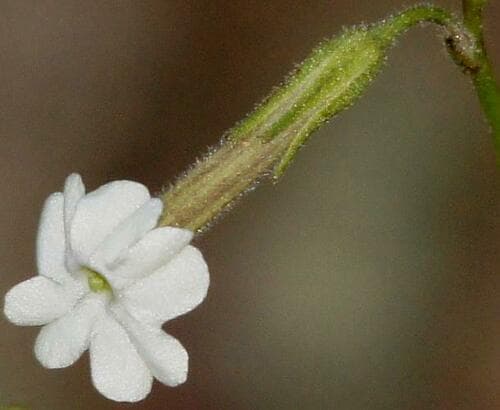
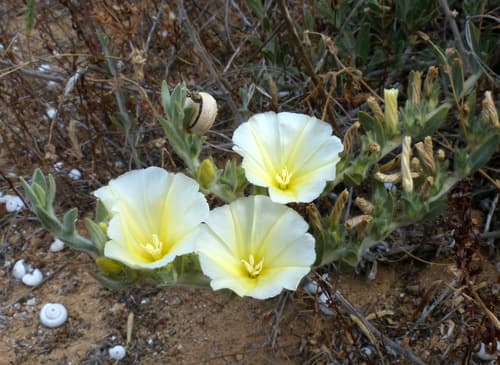
A herbaceous perennial plant characterized by its trailing or ascending stems covered in fine hairs. It features narrow, lanceolate to ovate leaves, also often hairy, and produces distinctive trumpet-shaped flowers, typically pale yellow to white, sometimes with a pinkish tinge, emerging from the leaf axils.