Solanum annuum
NameSolanum annuum
Scientific NameSolanum annuum
Common NamesNightshade, Black Nightshade
Plant FamilySolanaceae
Natural HabitatOften found in disturbed areas, gardens, agricultural fields, and forest edges, thriving in various soil types and light conditions.
Parts Usedleaf,fruit,whole_plant
Medicinal Actionsanti-inflammatory, analgesic, sedative
Traditional UsesTraditionally, species visually similar to this have been used externally as poultices for skin inflammations, boils, and pain relief. Internal use is extremely rare and highly cautioned due to the plant's toxic glycoalkaloid content, sometimes used in very small doses for sedative effects or fevers in specific traditional systems.
Active ConstituentsSteroidal glycoalkaloids (e.g., solanine, solamargine), saponins, flavonoids
Preparation Methodspoultice, salve, infusion
Contraindications & WarningsAll parts of the plant, especially unripe berries, are toxic. Ingestion can cause severe gastrointestinal upset, neurological symptoms, and even death. Contraindicated for pregnant/nursing women, children, and individuals with liver or kidney conditions. Avoid internal use without expert guidance.
Cultivation NotesMany Solanum species are prolific self-seeders and can be considered weeds. They prefer full sun to partial shade and well-drained soil, tolerating a range of conditions.
Raritycommon
Description
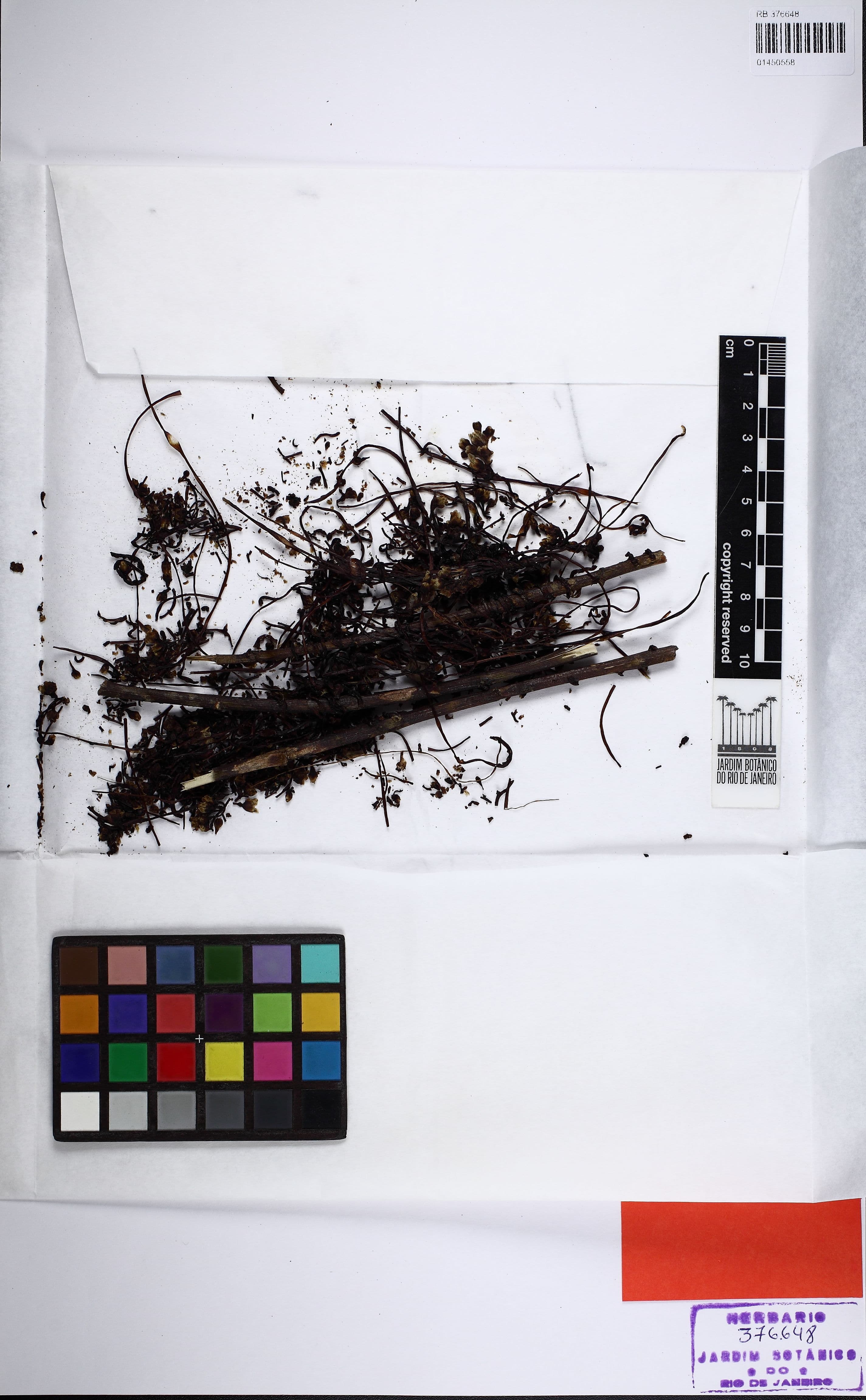
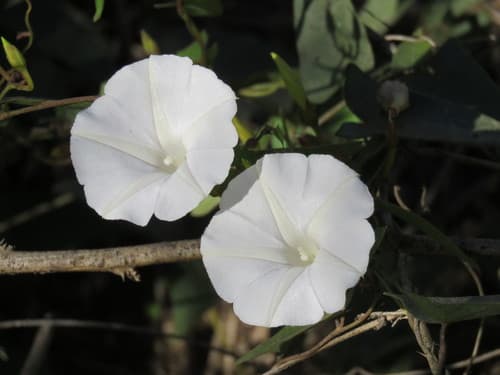
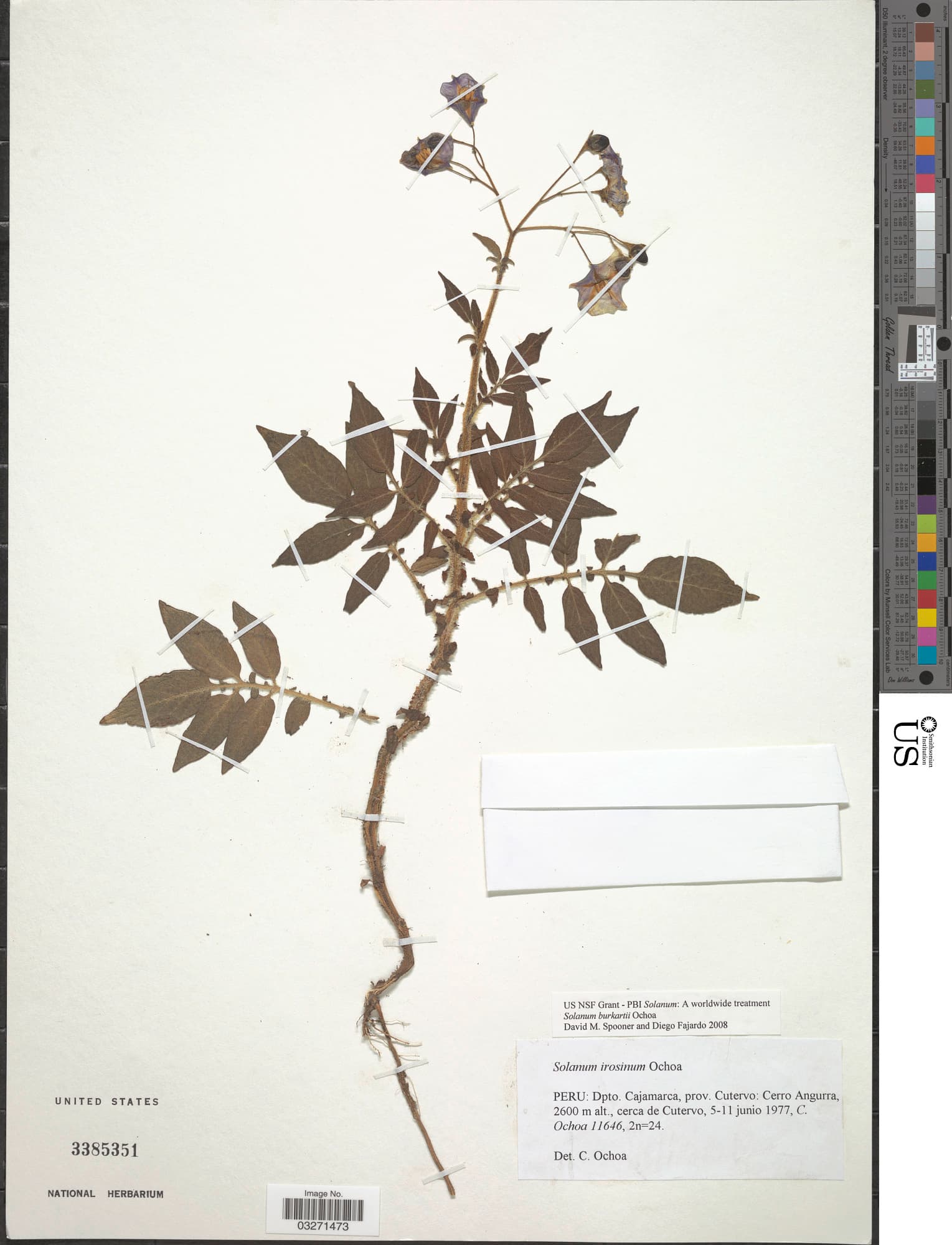
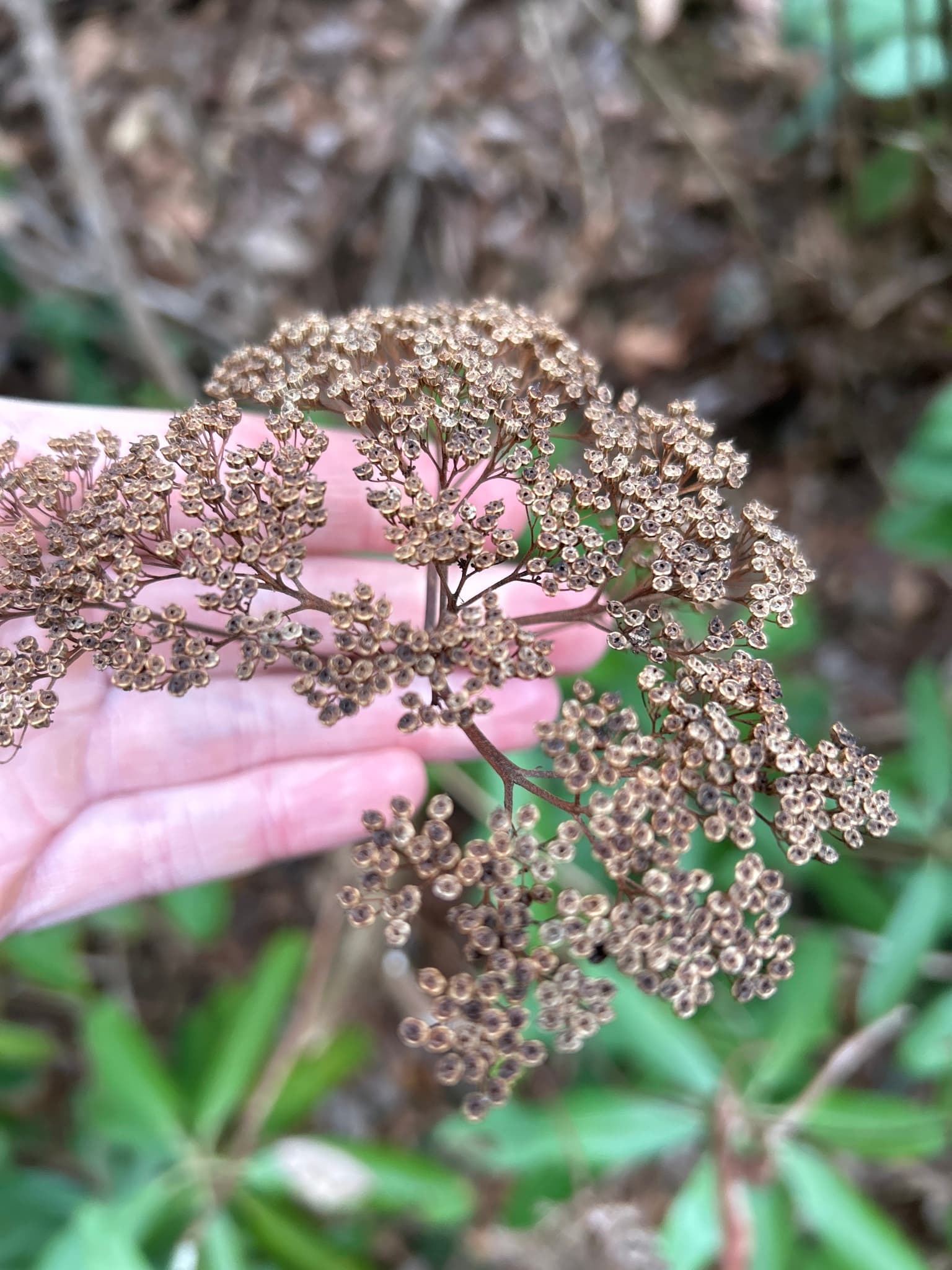
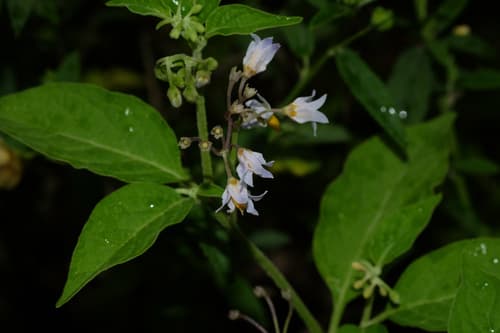
This herbaceous plant, visually resembling common nightshades, features simple, alternate, ovate leaves. Its small, star-shaped flowers are typically white to pale purple with prominent yellow anthers, arranged in clusters.