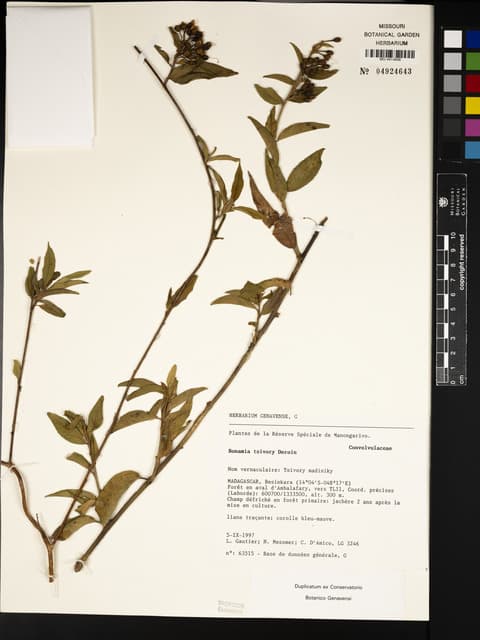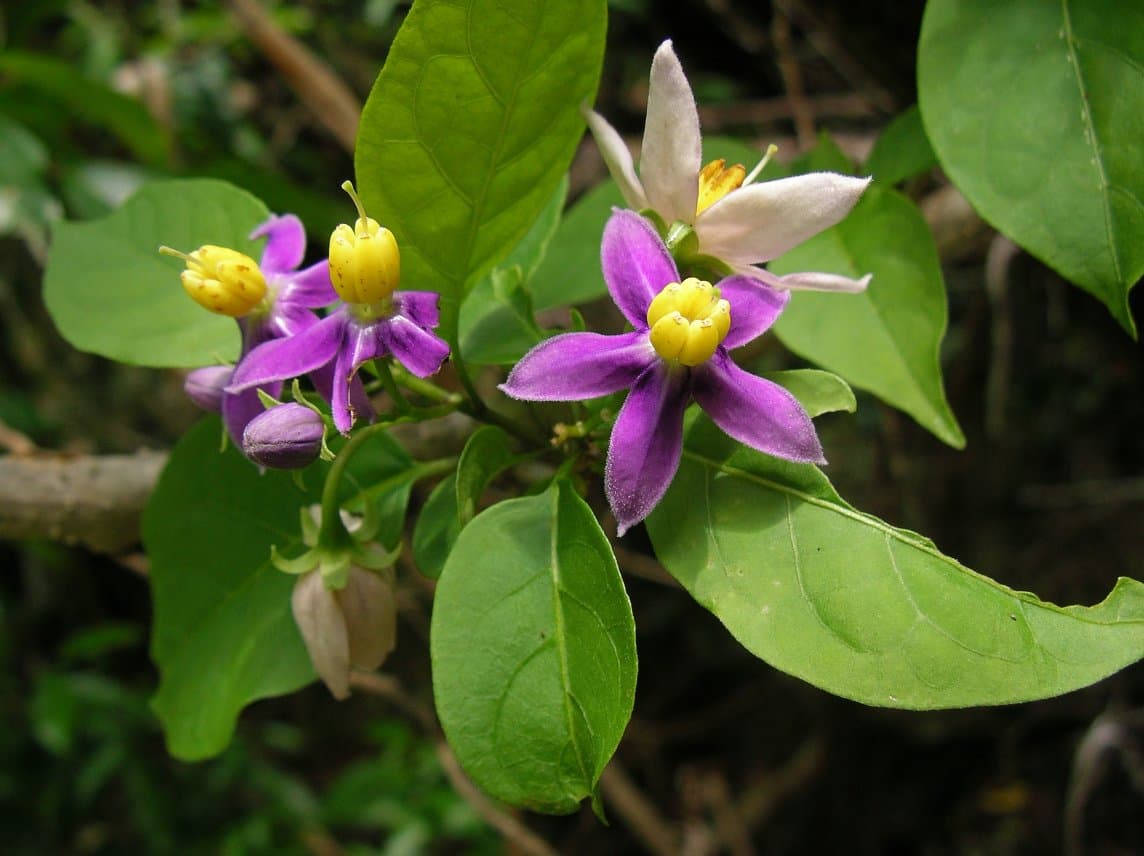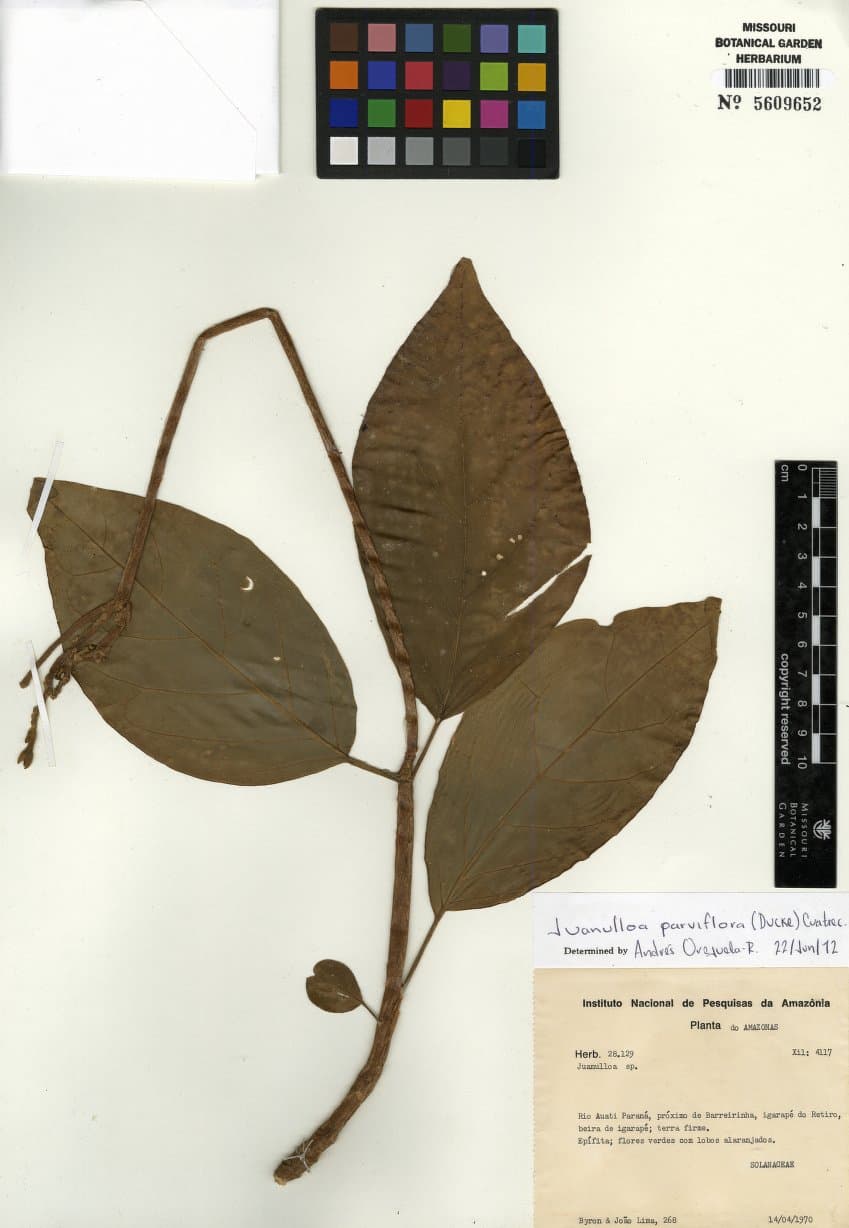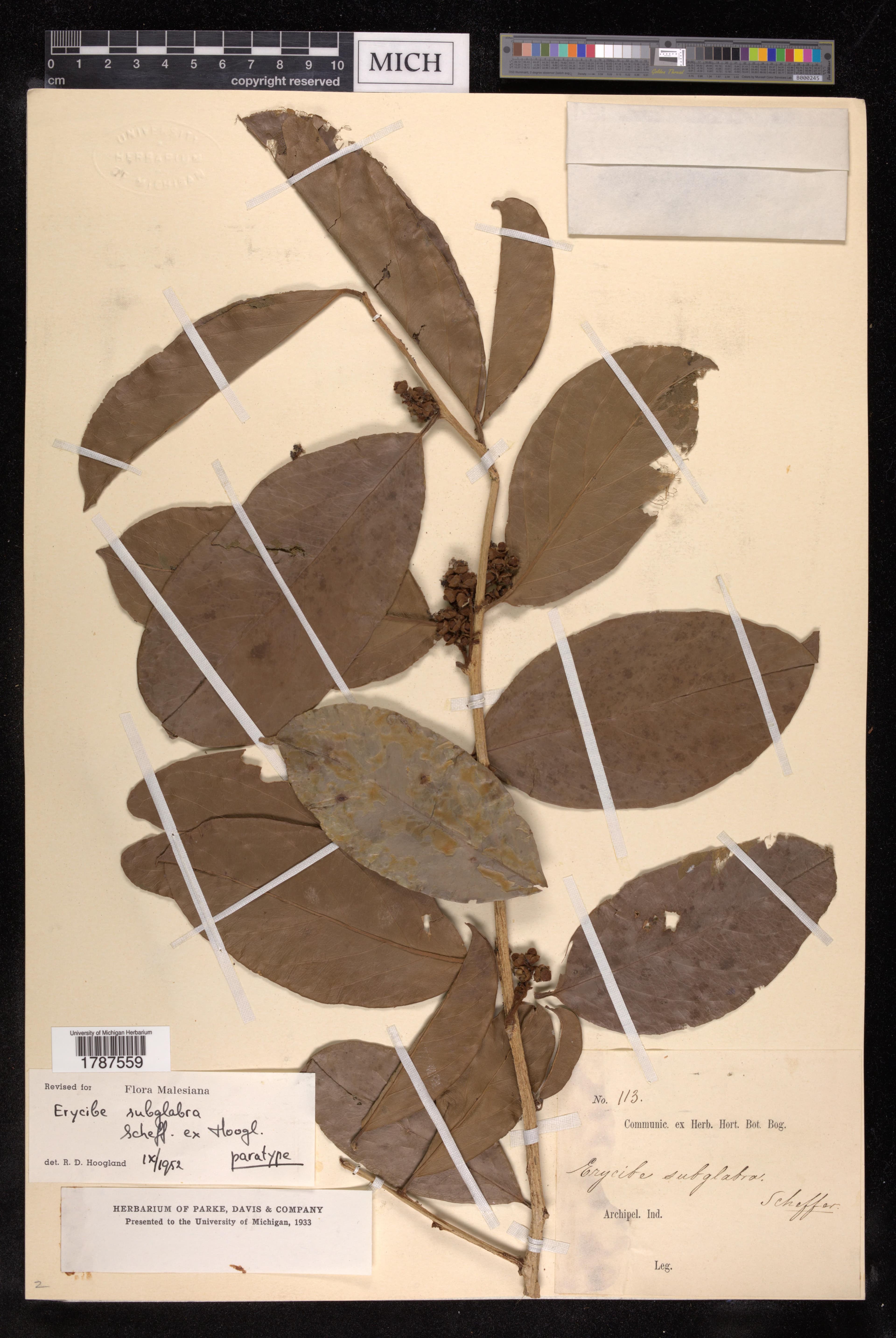
Cestrum retrofractum
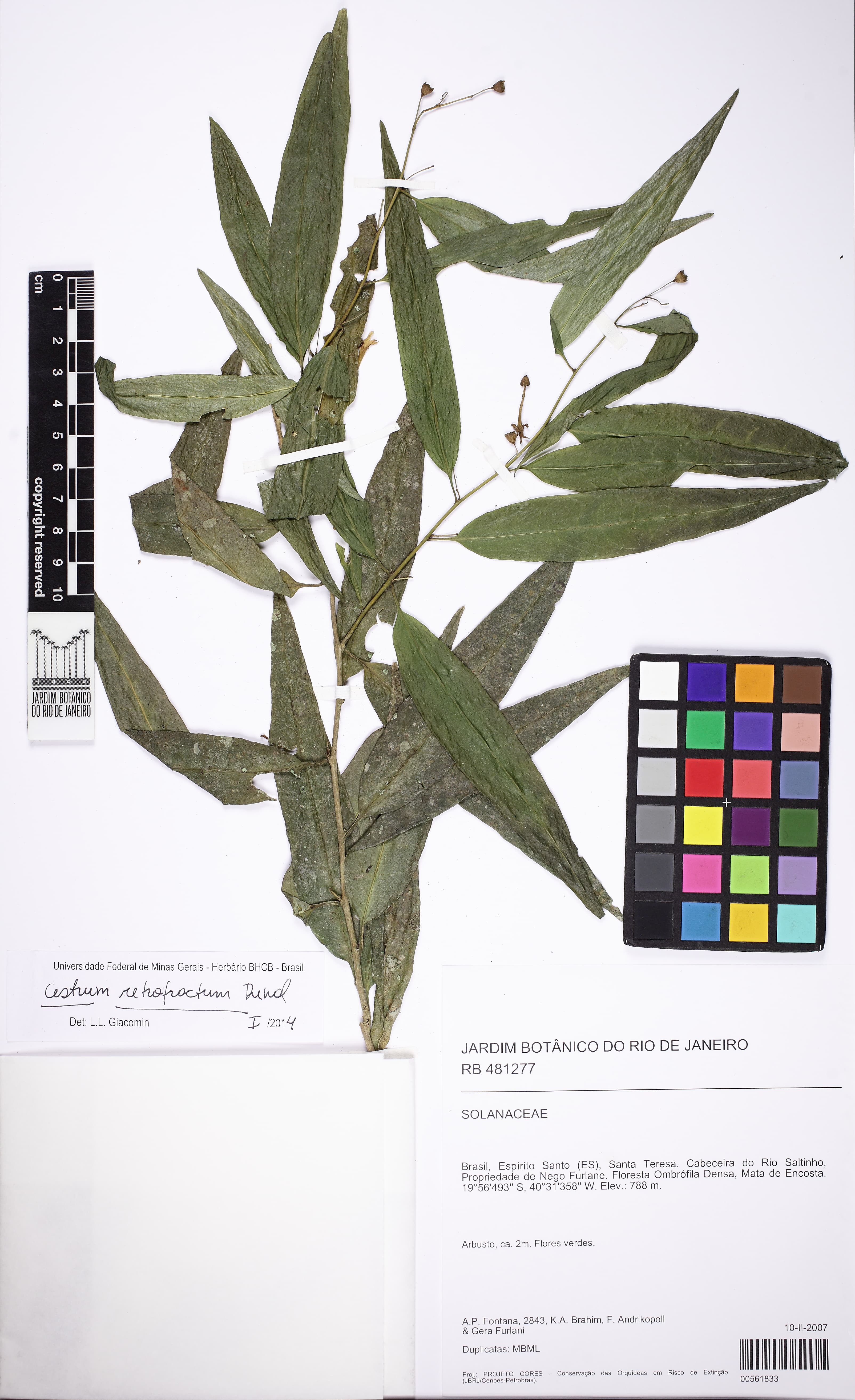
Image: A. P. Fontana; K.A. Brahim, F. Andrikopoll & Gera Furlani (cc-by)
NameCestrum retrofractum
Scientific NameCestrum retrofractum Dunal
Common NamesGreen-flowered Cestrum
Plant FamilySolanaceae
Natural HabitatNative to Brazil, specifically found in humid environments such as Dense Ombrophilous Forests and slope forests in regions like Espírito Santo. It thrives in tropical and subtropical climates at elevations around 788 meters.
Parts Usedleaf,bark
Medicinal Actionsanalgesic, anti-inflammatory, antimicrobial
Traditional UsesWhile specific traditional uses for Cestrum retrofractum are not widely documented, other species within the Cestrum genus are traditionally used in some folk medicine systems for treating fevers, pain, and inflammation. Due to potential toxicity, any use requires extreme caution and expert knowledge.
Active Constituentssteroidal saponins, alkaloids, flavonoids
Preparation Methodsinfusion, decoction, poultice
Contraindications & WarningsAll parts of Cestrum species, particularly the fruits, are generally considered toxic and can cause severe gastrointestinal upset, neurological symptoms, and other adverse effects. Internal use is strongly discouraged without expert medical supervision. Contraindicated in pregnancy, lactation, children, and individuals with liver or kidney conditions.
Cultivation NotesPrefers tropical to subtropical climates with high humidity and well-drained, fertile soil. Can be grown as an ornamental shrub but requires careful handling due to its inherent toxicity.
Rarityuncommon
Description
A shrub growing up to 2 meters tall, characterized by simple, alternate, lanceolate leaves and small, inconspicuous greenish flowers. The plant typically forms a bushy habit with slender stems.