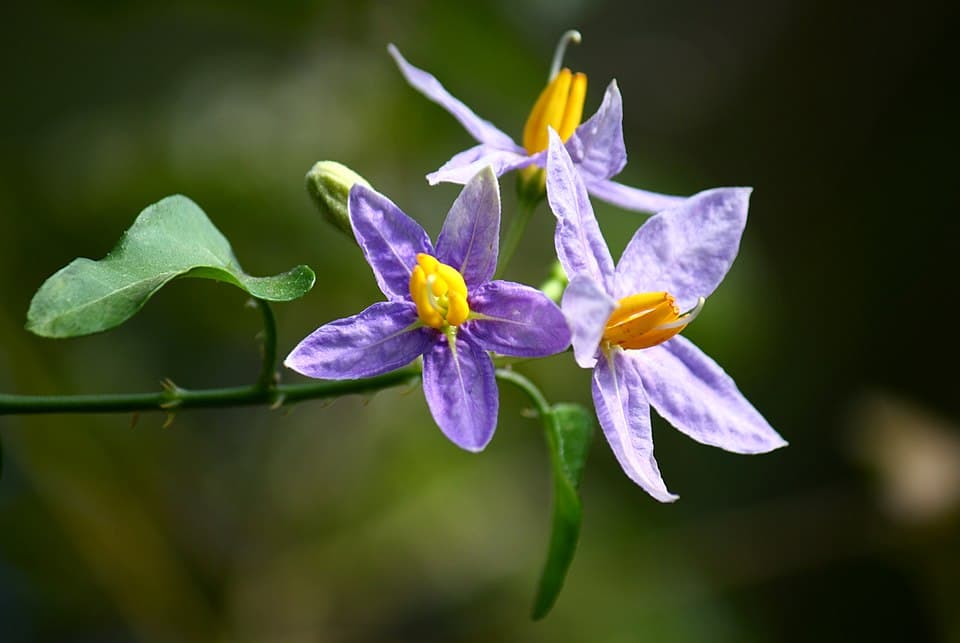
Convolvulus recurvatus
NameConvolvulus recurvatus
Scientific NameConvolvulus recurvatus
Common NamesRecurved Bindweed
Plant FamilyConvolvulaceae
Natural HabitatThis species typically thrives in dry, often disturbed, sandy or rocky soils in arid and semi-arid regions, particularly in the Mediterranean basin and parts of North Africa and the Middle East.
Parts Usedwhole_plant,root
Medicinal Actionsanti-inflammatory, antimicrobial
Traditional UsesWhile specific traditional medicinal uses for Convolvulus recurvatus are not well-documented, other species within the Convolvulus genus have historically been used as purgatives due to their resin glycoside content. Some related species have also been applied topically for skin conditions and wounds.
Active Constituentsresin glycosides, alkaloids
Preparation Methodsinfusion, tincture, poultice
Contraindications & WarningsDue to the presence of potent resin glycosides in many Convolvulus species, internal use can cause strong purgative effects, gastrointestinal irritation, and abdominal cramping. It should be avoided during pregnancy, breastfeeding, and in individuals with gastrointestinal disorders. Potential drug interactions are also a concern.
Cultivation NotesAs a member of a genus often considered weedy, Convolvulus recurvatus is likely easy to cultivate, preferring full sun and well-drained, poor to moderately fertile soils. It is drought-tolerant once established.
Rarityuncommon
Description
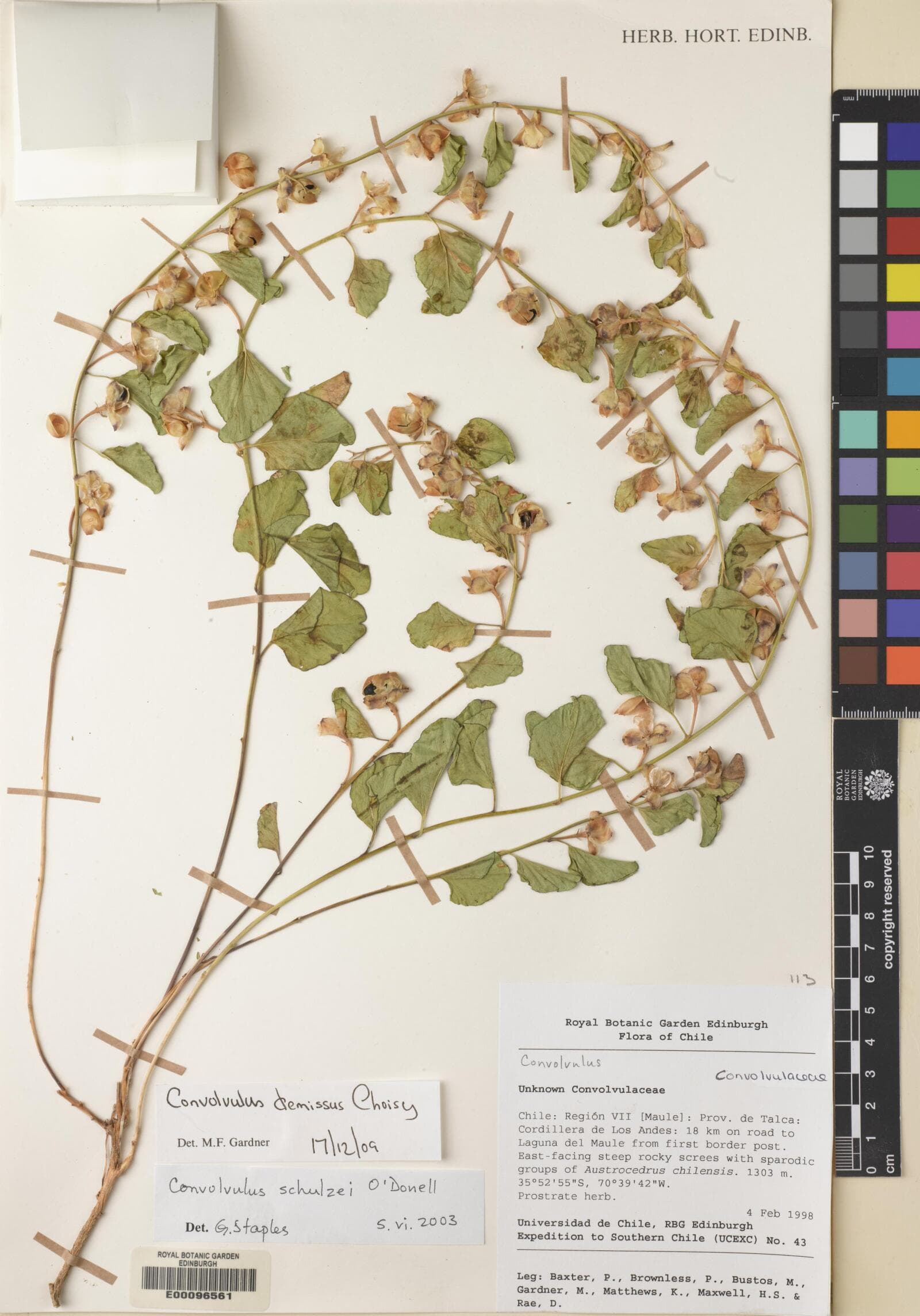
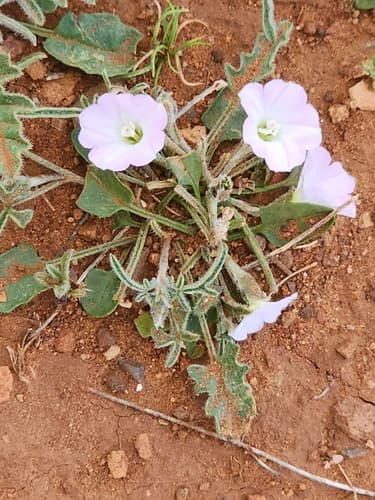
Convolvulus recurvatus is a low-growing herbaceous plant characterized by its hairy stems and leaves, which often have lobed or toothed margins. It produces delicate, funnel-shaped flowers that are typically pale pink to white with a lighter center.