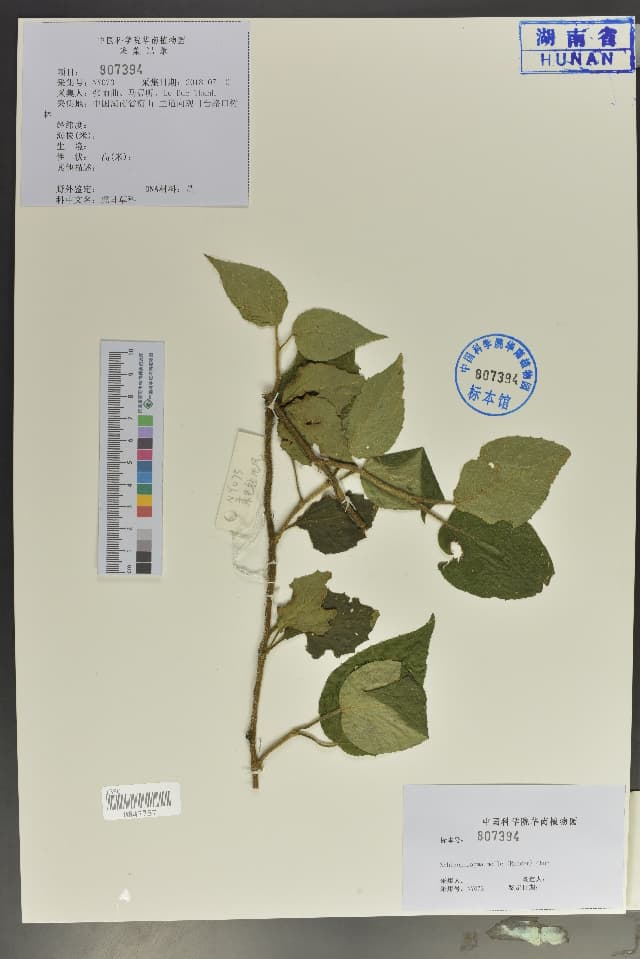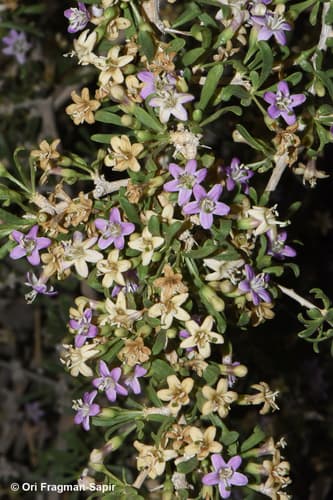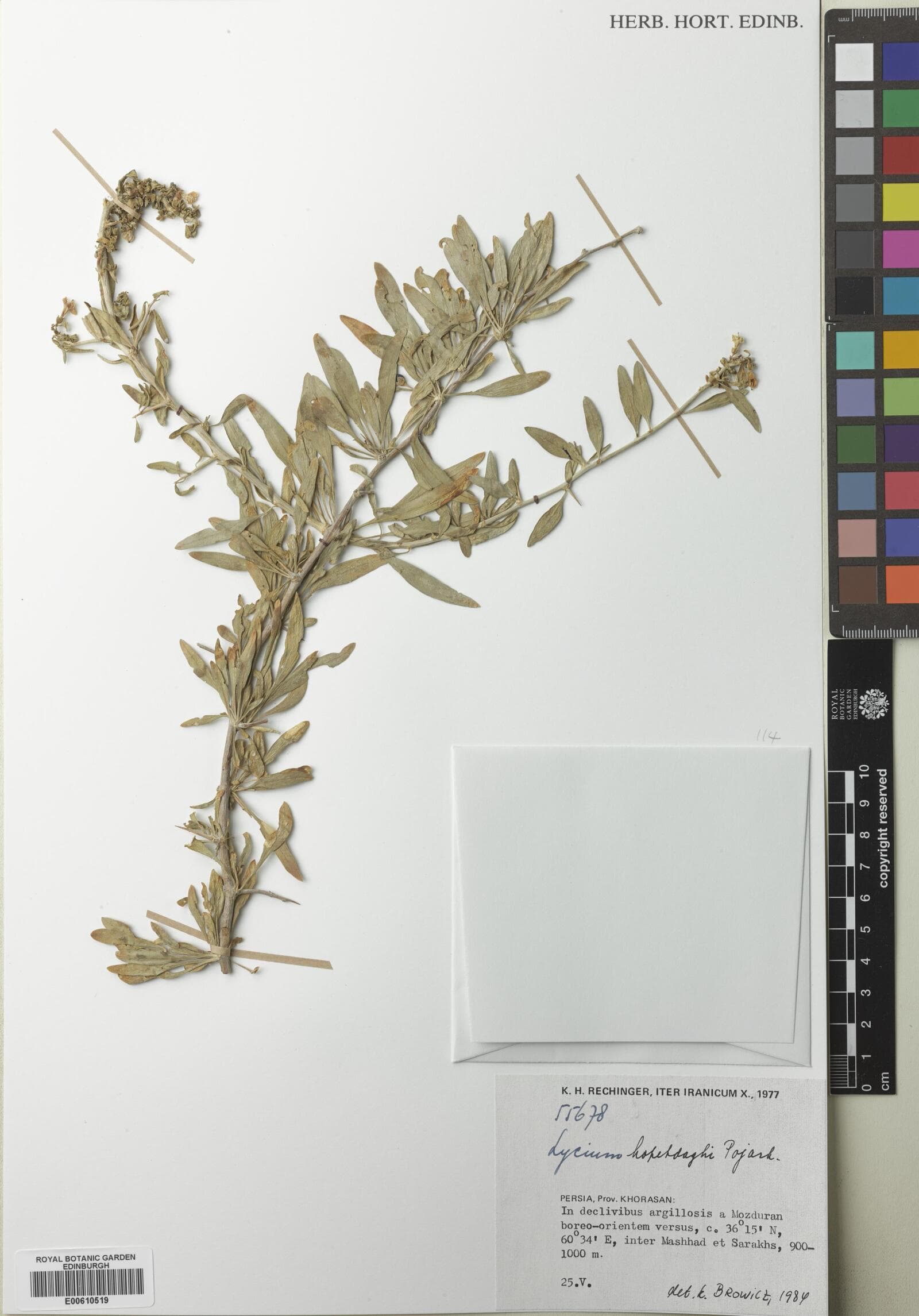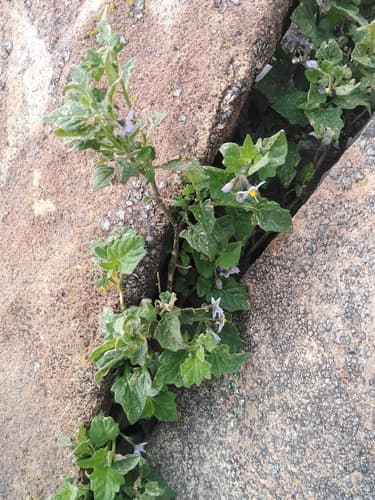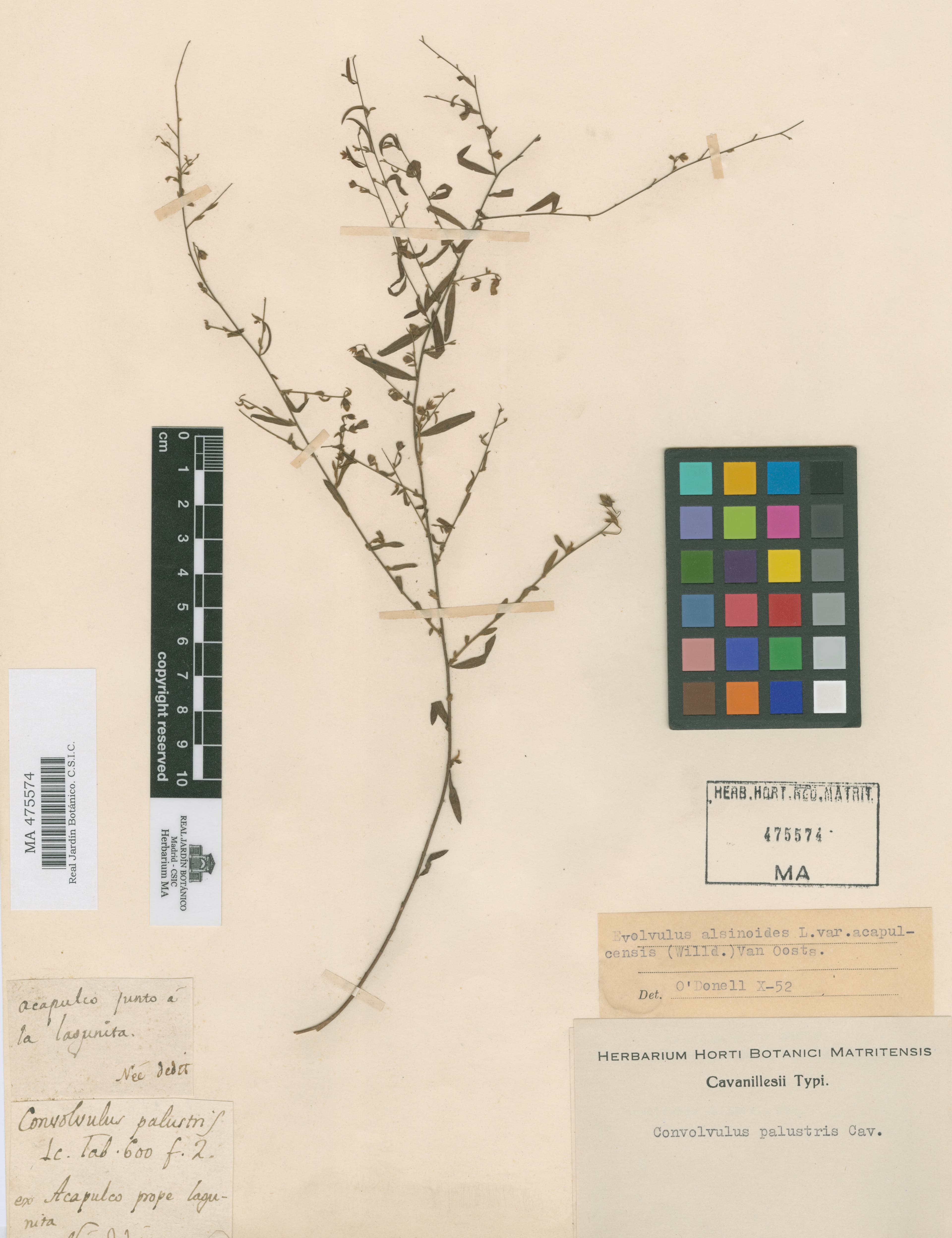
Convolvulus palustris
Image: L.Née (cc-by-nc)
NameConvolvulus palustris
Scientific NameConvolvulus palustris Cav.
Common NamesMarsh Bindweed
Plant FamilyConvolvulaceae
Natural HabitatThrives in marshy areas, wetlands, and damp soils, often found near lagoons or other water bodies. Its natural range includes regions like Acapulco, Mexico, where it was collected near a small lagoon.
Parts Usedwhole_plant,root
Medicinal Actionsdiuretic, antimicrobial
Traditional UsesWhile specific traditional uses for Convolvulus palustris are not widely documented, species within the Convolvulus genus are traditionally known for their strong purgative and laxative properties, often employed for bowel cleansing. Some related species have also been used for diuretic effects or external applications for skin conditions.
Active Constituentsresin glycosides, flavonoids
Preparation Methodsdecoction, powder
Contraindications & WarningsDue to the potential strong purgative effects observed in related Convolvulus species, it is generally contraindicated in pregnancy, breastfeeding, intestinal obstruction, and inflammatory bowel diseases. Caution is advised to avoid electrolyte imbalance with prolonged use.
Cultivation NotesThis plant prefers moist to wet soil conditions, reflecting its natural marshy habitat. It can likely tolerate a range from full sun to partial shade and is a herbaceous species, potentially perennial, thriving in its preferred wetland environment.
Raritycommon
Description
A herbaceous plant characterized by slender, often trailing or climbing stems, small, elongated leaves, and small, typically funnel-shaped flowers. This species is adapted to moist or wetland environments, as indicated by its 'palustris' epithet.