Lycium petraeum
NameLycium petraeum
Scientific NameLycium petraeum
Common NamesDesert Boxthorn, Rock Lycium
Plant FamilySolanaceae
Natural HabitatNative to arid and semi-arid regions of the Middle East, particularly found in rocky deserts, wadis, and dry riverbeds. It is well-adapted to harsh, xeric conditions.
Parts Usedfruit,leaf,root
Medicinal Actionsadaptogen, anti-inflammatory, antioxidant
Traditional UsesTraditionally, species within the Lycium genus are used as a general tonic to enhance vitality, support vision, and boost overall immunity. While specific documentation for L. petraeum may be limited, it is likely used by local communities for similar health-promoting purposes, including general well-being and strengthening.
Active ConstituentsPolysaccharides, Carotenoids, Flavonoids, Vitamins, Betaine
Preparation Methodsinfusion, decoction, powder, tincture
Contraindications & WarningsAs with other Lycium species, caution is advised for individuals taking anticoagulant medications (e.g., warfarin) due to potential interactions. May also interact with blood pressure and diabetes medications.
Cultivation NotesThis hardy desert plant thrives in full sun and well-drained, often rocky or sandy soils. It is highly drought-tolerant once established and requires minimal water. Propagation can be achieved from seed or cuttings.
Rarityuncommon
Description
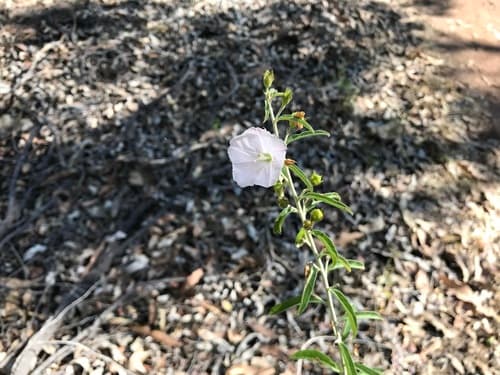
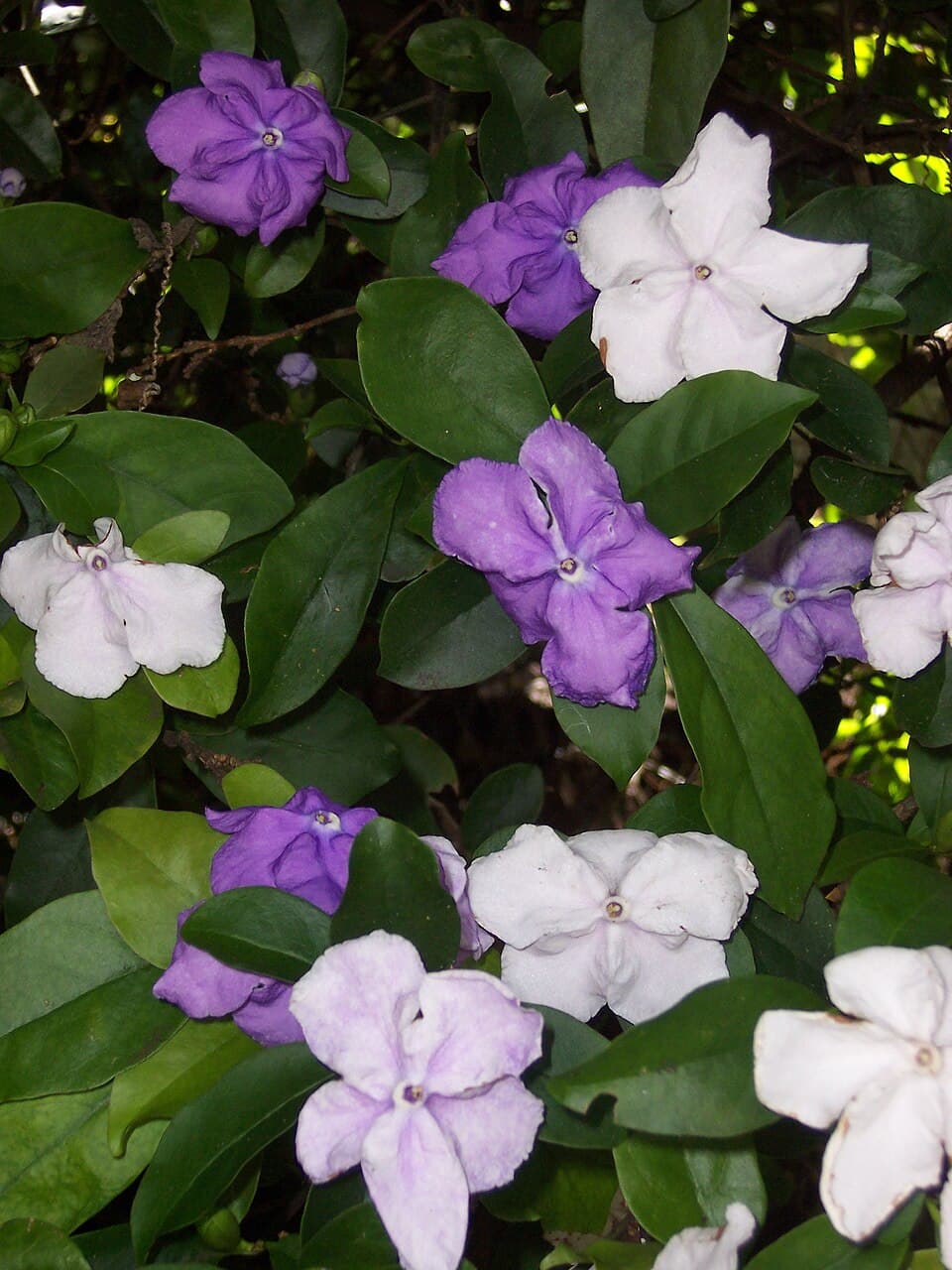
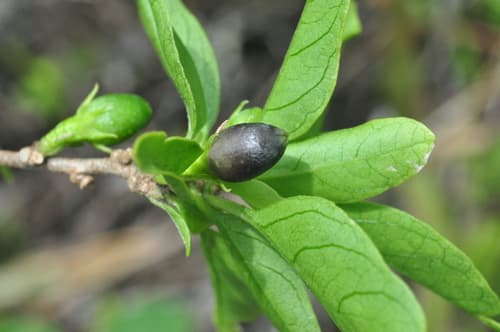
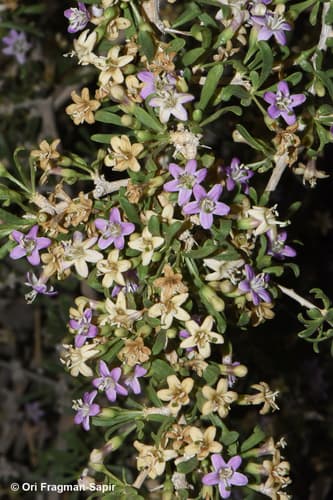
Lycium petraeum is a thorny, deciduous shrub, typically growing 1-3 meters tall. It features small, often succulent, linear to spatulate leaves and produces numerous small, star-shaped flowers that can range from pale yellow to lavender-purple, followed by small, red or orange berries.