Convolvulus kotschyanus
Image: Royal Botanic Garden Edinburgh (cc0)
NameConvolvulus kotschyanus
Scientific NameConvolvulus kotschyanus Boiss.
Plant FamilyConvolvulaceae
Natural HabitatThis species is endemic to the Irano-Turanian region, specifically found in Iran on the lower slopes of the escarpment above Borazjan to Kazerun, at elevations of 200-300 meters. It thrives on rocky marly slopes.
Parts Usedwhole_plant
Medicinal Actionsantioxidant
Traditional UsesSpecific traditional medicinal uses for Convolvulus kotschyanus are not well-documented in available literature. However, other species within the Convolvulus genus have historically been used as purgatives or laxatives, and some have shown general antioxidant properties.
Active Constituentsresin glycosides
Preparation Methodsdecoction, powder
Contraindications & WarningsDue to the presence of resin glycosides and potential toxicity in some Convolvulus species, caution is advised. Ingestion may cause gastrointestinal upset, and some species are considered toxic. Pregnant or breastfeeding women and individuals with gastrointestinal disorders should avoid use.
Cultivation NotesAs a perennial herbaceous plant native to rocky marly slopes in Iran, it likely prefers well-drained soil and a sunny, arid to semi-arid climate. It would be drought-tolerant once established.
Rarityuncommon
Description
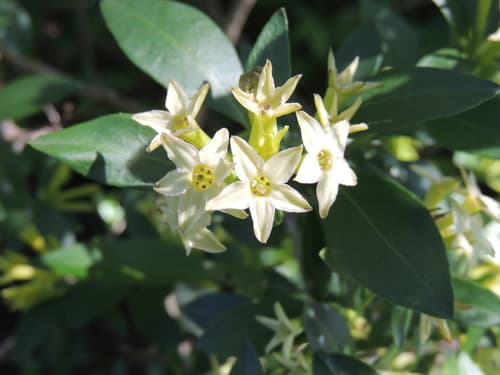
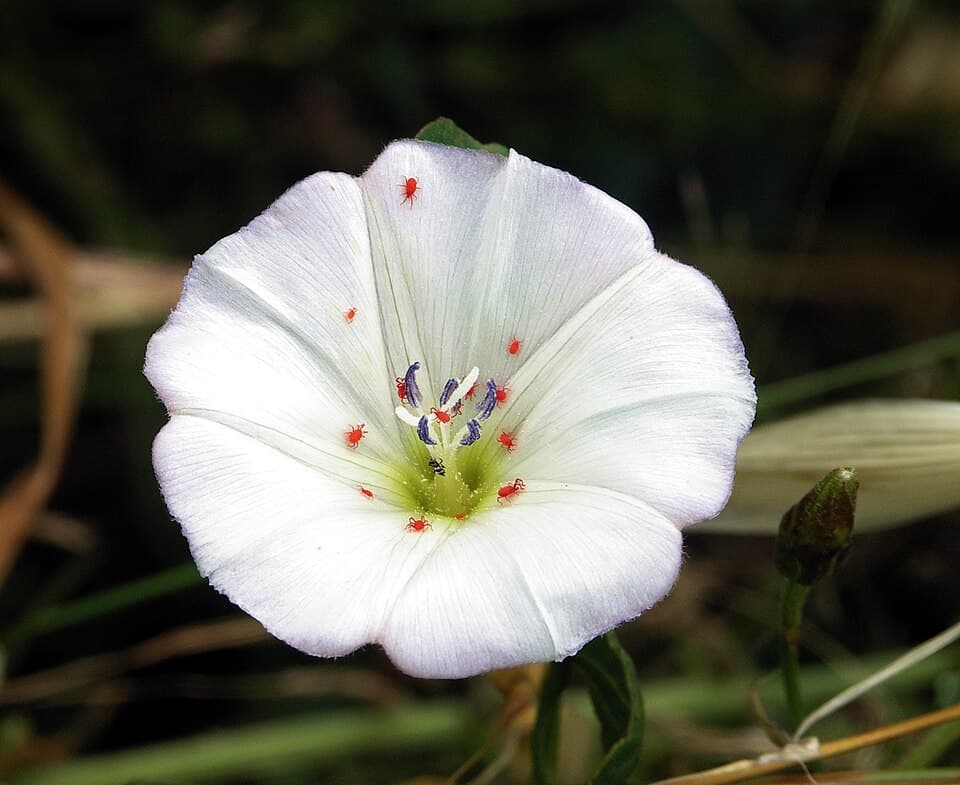
Convolvulus kotschyanus is a perennial herbaceous plant characterized by its hairy stems and leaves, growing from a woody caudex. The specimen shows small, ovate to spatulate leaves and terminal or axillary flower clusters, with flowers noted as pink in bud.