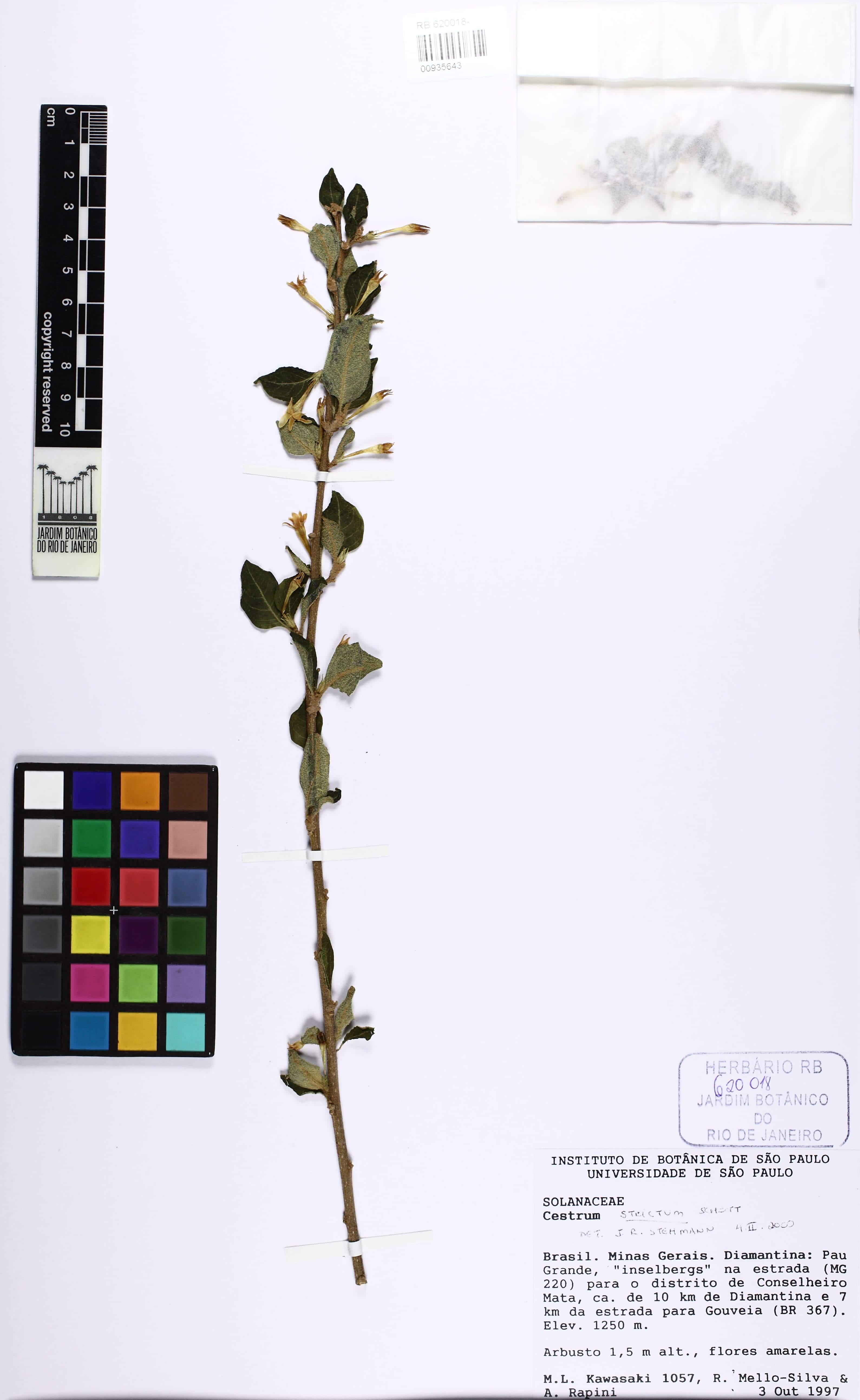
Cestrum strictum
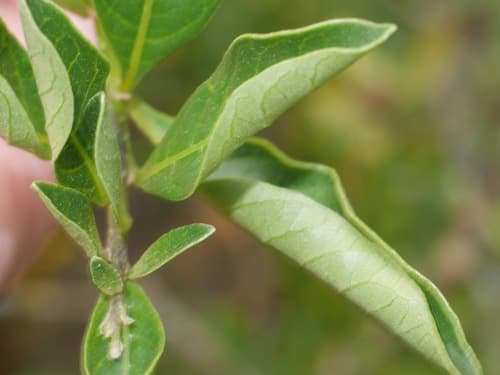
Image: M.L. Kawasaki; R. Mello-Silva; A. Rapini (cc-by)
NameCestrum strictum
Scientific NameCestrum strictum Schott ex Sendtn.
Plant FamilySolanaceae
Natural HabitatNative to Brazil, specifically found on inselbergs in the state of Minas Gerais, at elevations around 1250 meters.
Parts Usedleaf,flower
Medicinal Actionsanalgesic, anti-inflammatory
Traditional UsesWhile specific safe traditional uses for Cestrum strictum are not widely documented, some Cestrum species are anecdotally used in folk medicine for external application to relieve pain and inflammation. Internal use is generally considered highly dangerous due to toxicity.
Active ConstituentsSteroidal saponins, Alkaloids, Flavonoids
Preparation Methodsinfusion, poultice
Contraindications & WarningsAll parts of Cestrum species, especially the berries, are highly toxic to humans and livestock, causing severe gastrointestinal and neurological symptoms. Ingestion can be fatal. Skin contact may cause dermatitis in sensitive individuals. Should not be used internally.
Cultivation NotesTypically grown as a tropical to subtropical shrub, preferring full sun to partial shade and well-drained soil. Can be propagated from seeds or cuttings.
Rarityuncommon
Description
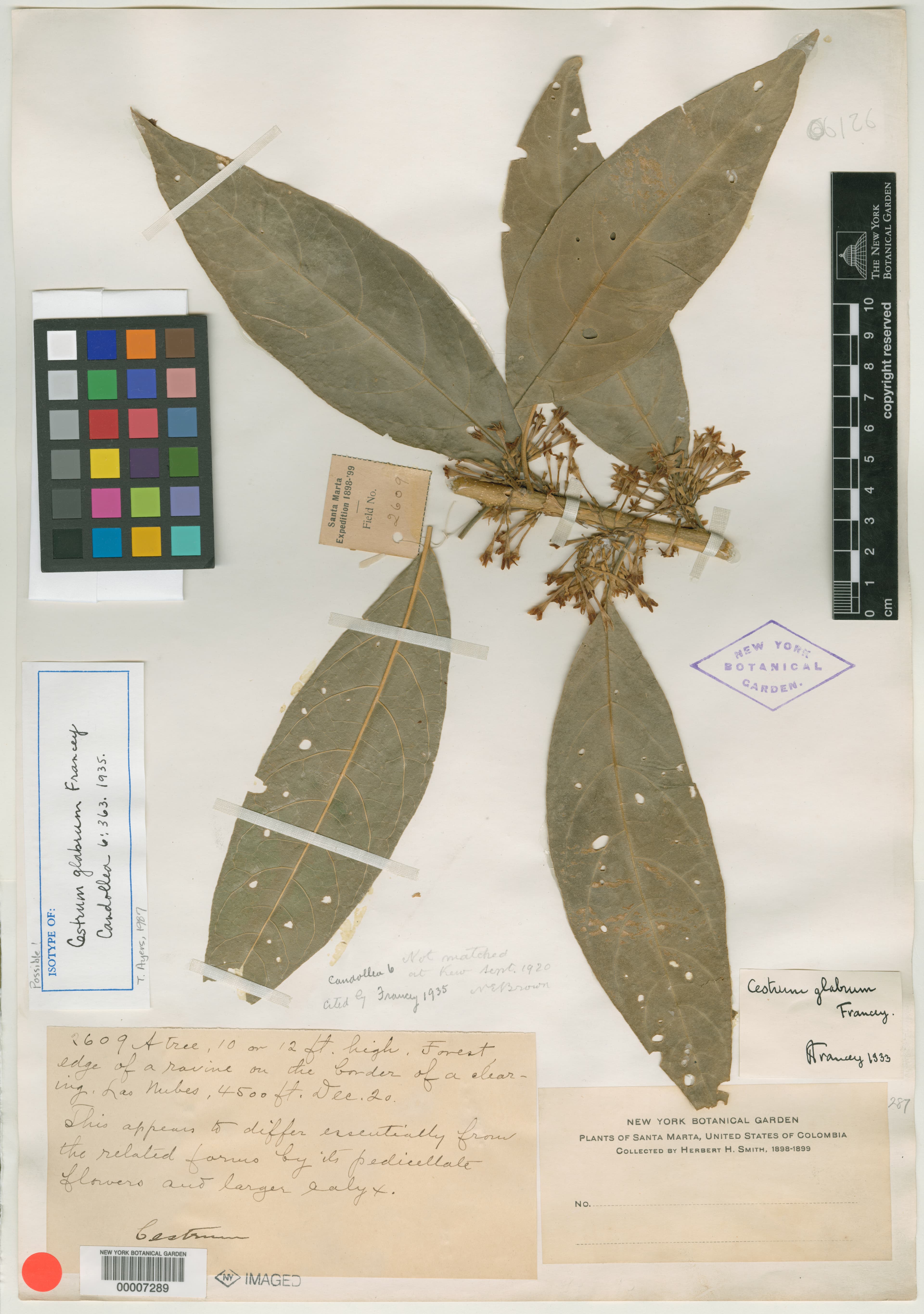
A shrub growing up to 1.5 meters tall, characterized by simple, often pubescent leaves and clusters of tubular, yellowish flowers. The specimen shows a woody stem with alternate leaves and terminal or axillary inflorescences.