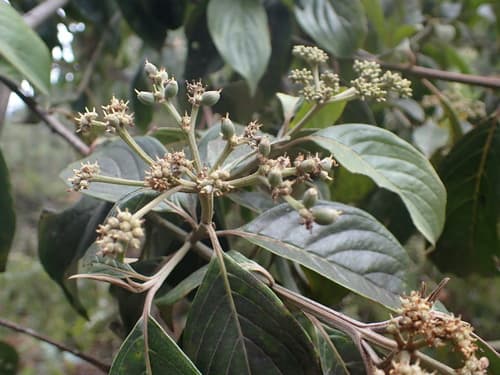
Convolvulus hermanniae
NameConvolvulus hermanniae
Scientific NameConvolvulus hermanniae
Common NamesHermann's Bindweed, South African Bindweed
Plant FamilyConvolvulaceae
Natural HabitatNative to South America (Chile, Argentina), this plant is often found in dry, rocky, or sandy areas, grasslands, and disturbed sites. It has naturalized in other regions, including parts of South Africa and Australia.
Parts Usedroot,leaf
Medicinal Actionsdiuretic
Traditional UsesWhile specific traditional medicinal uses for Convolvulus hermanniae are not well-documented in ethnobotanical literature, other species within the Convolvulus genus have been historically used as purgatives and diuretics, particularly from the root. Some species have also been applied topically for skin conditions.
Active Constituentsresin glycosides, flavonoids, phenolic compounds
Preparation Methodsdecoction, powder, infusion, poultice
Contraindications & WarningsDue to the potential for strong purgative effects and the presence of various compounds, including possible alkaloids in some Convolvulus species, ingestion should be approached with extreme caution. Contraindications may include pregnancy, breastfeeding, gastrointestinal disorders, and interactions with medications affecting bowel function.
Cultivation NotesConvolvulus hermanniae is generally hardy and can be considered a weed in some regions. It prefers full sun exposure and well-drained soil, tolerating dry conditions once established. It can spread readily by seed and rhizomes.
Raritycommon
Description
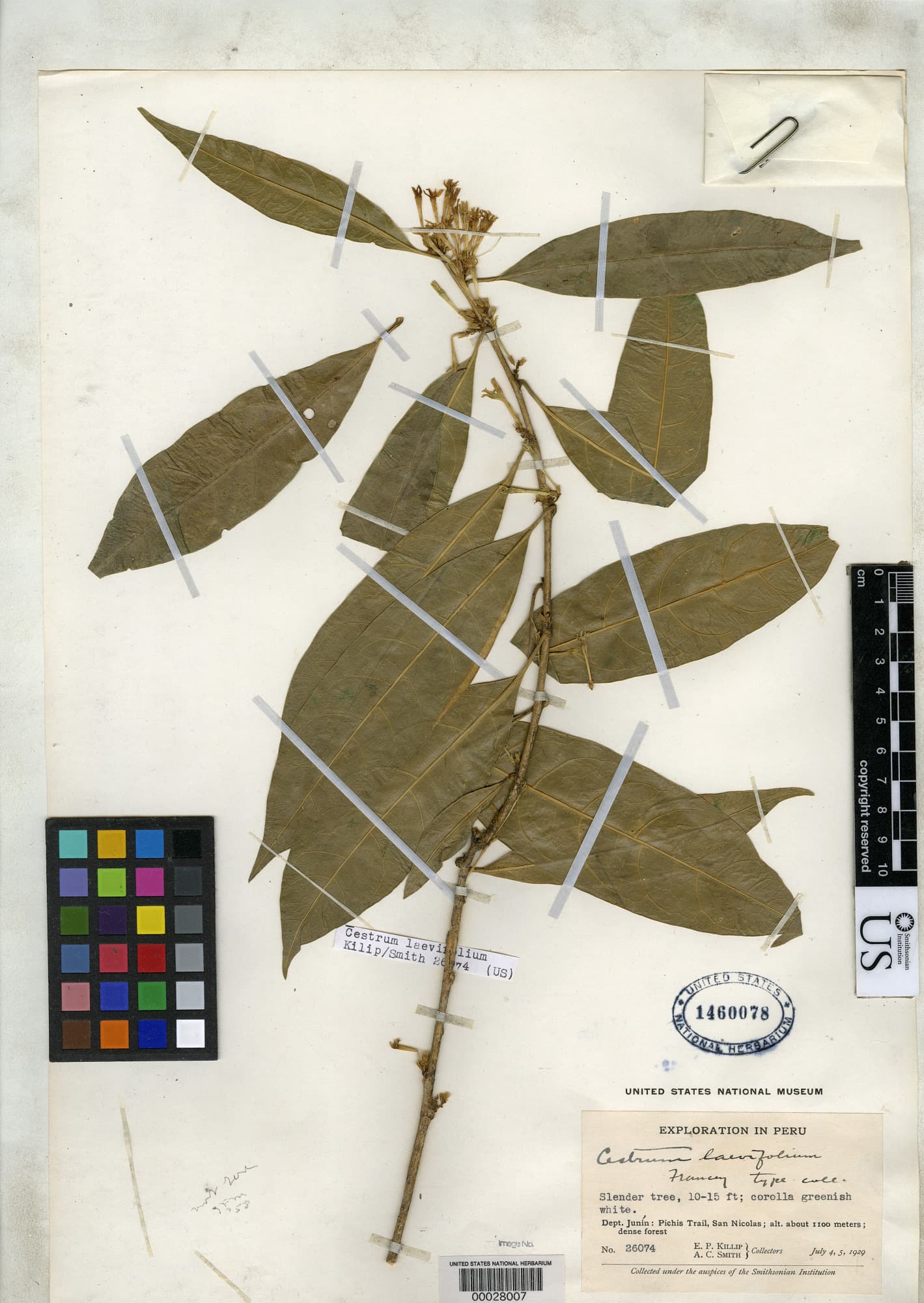
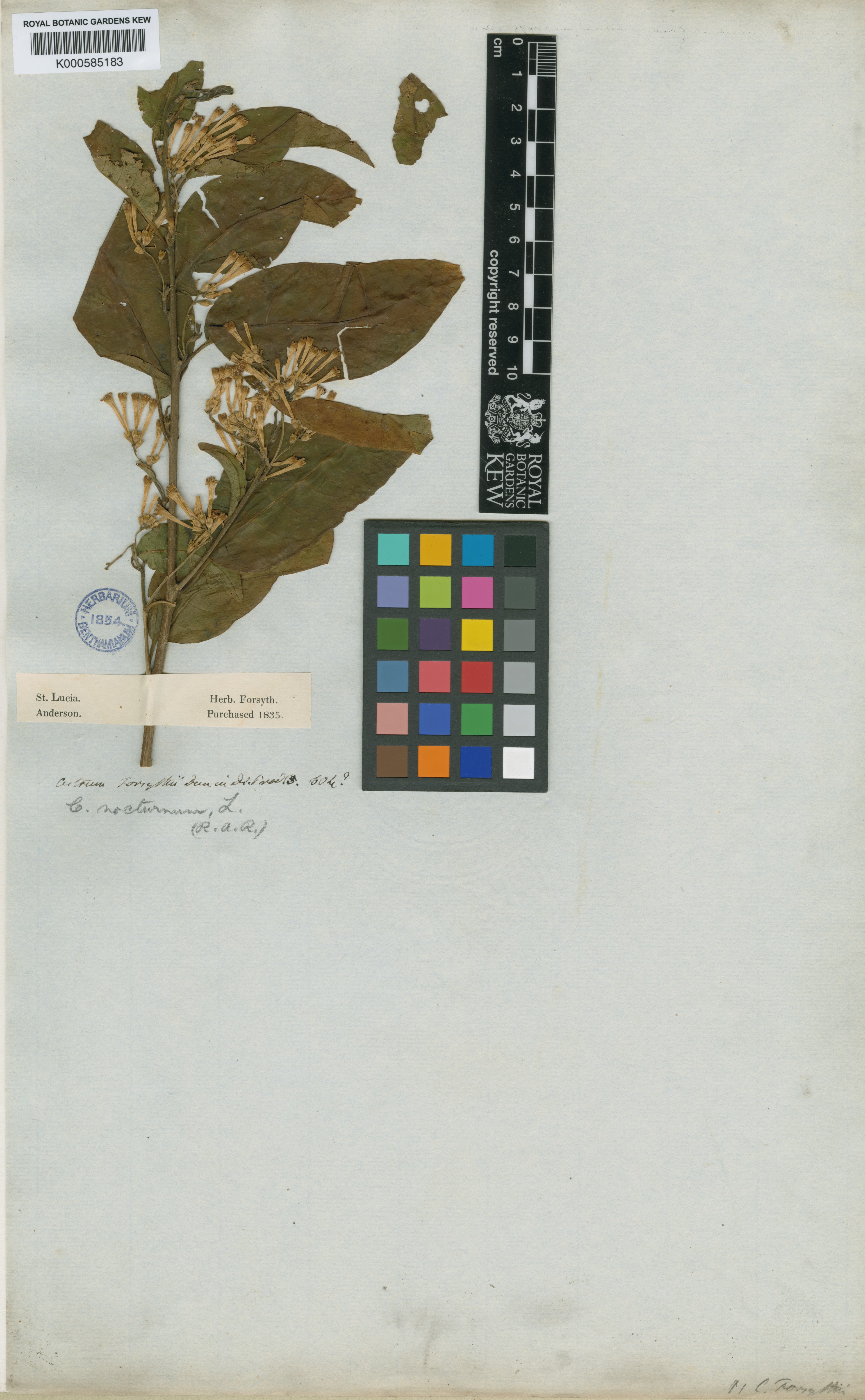
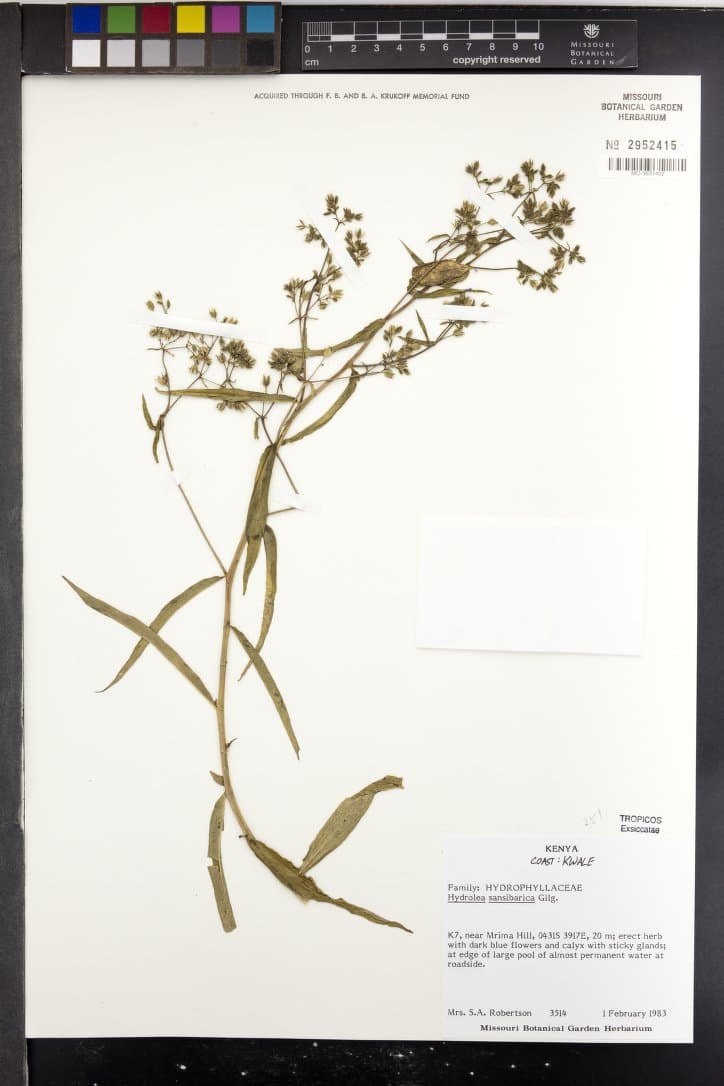
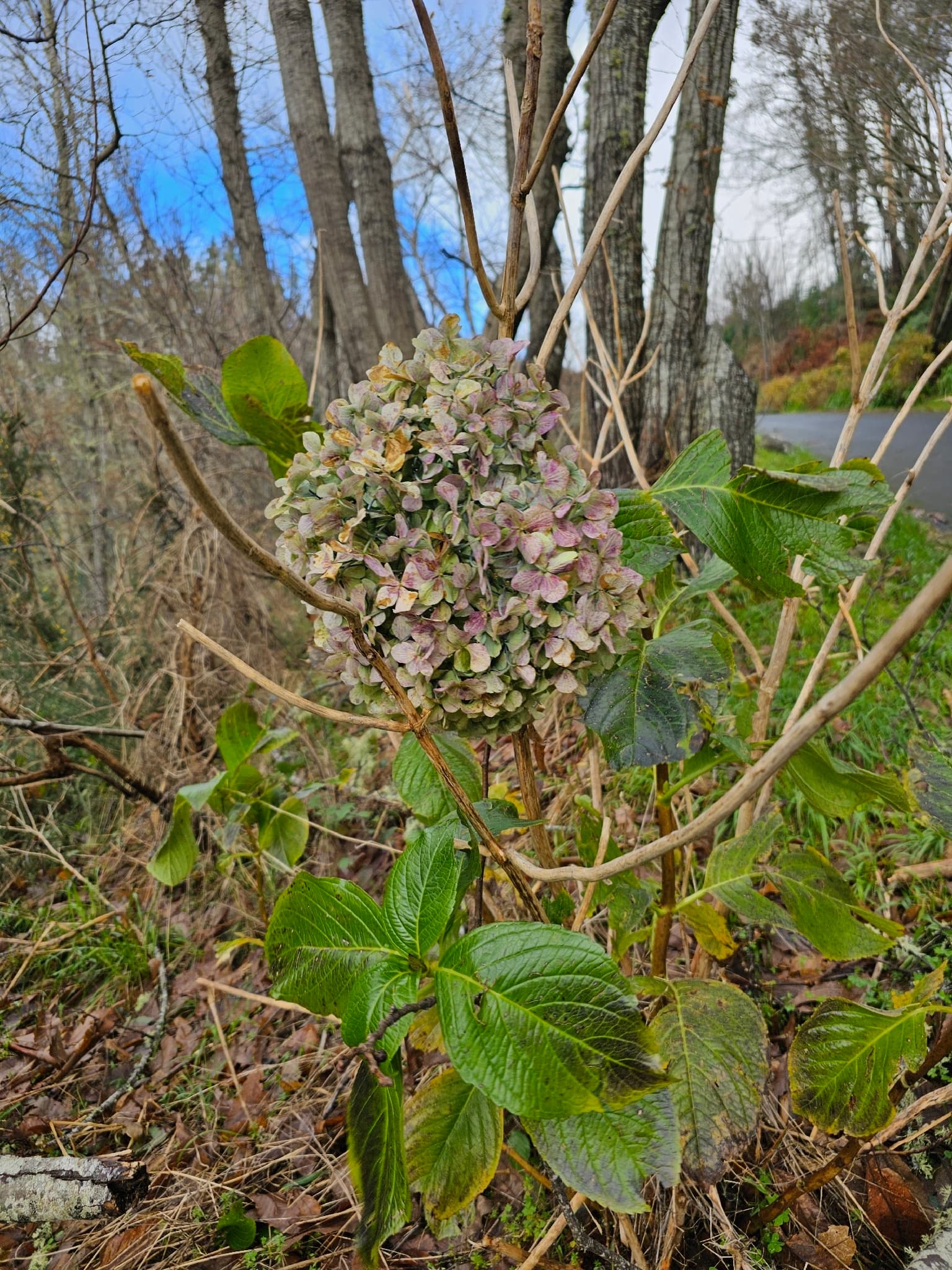
Convolvulus hermanniae is a perennial herbaceous plant, often with a trailing or climbing habit, characterized by its funnel-shaped white flowers. Its leaves are typically ovate to lanceolate and notably pubescent, giving them a fuzzy appearance as seen in the image.