Glabrousleaf Cestrum
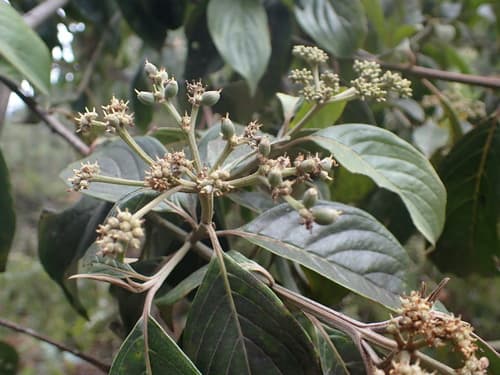
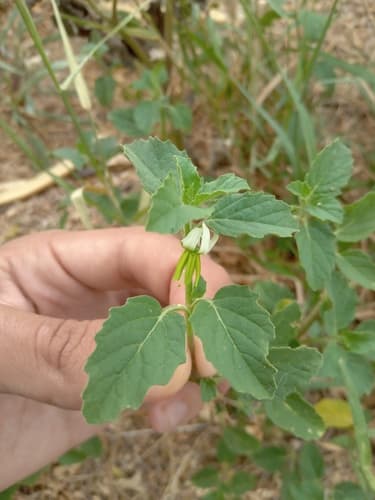
Image: Ingrid P. Lin (cc0)
NameGlabrousleaf Cestrum
Scientific NameCestrum laevifolium Francey
Common NamesGlabrousleaf Cestrum
Plant FamilySolanaceae
Natural HabitatNative to dense forests in mountainous regions of Peru, found at altitudes around 1100 meters, such as the Pichis Trail in the Department of Junin.
Parts Used
Traditional UsesWhile some species within the *Cestrum* genus have been historically used in traditional medicine for conditions like fever, pain, or skin ailments, *Cestrum laevifolium* specifically lacks well-documented safe traditional medicinal uses. The genus *Cestrum* is widely known for containing toxic compounds, and internal use is strongly contraindicated. Any traditional external use would be approached with extreme caution due to potential skin irritation or absorption.
Active ConstituentsSteroidal glycoalkaloids, Saponins
Contraindications & WarningsAll parts of *Cestrum laevifolium* are considered potentially toxic. Ingestion can lead to severe gastrointestinal upset, neurological symptoms, and can be fatal. Avoid internal use entirely. Exercise extreme caution with any external application due to potential skin irritation or systemic absorption of toxins. Not safe for pregnant or nursing individuals, children, or those with liver or kidney conditions.
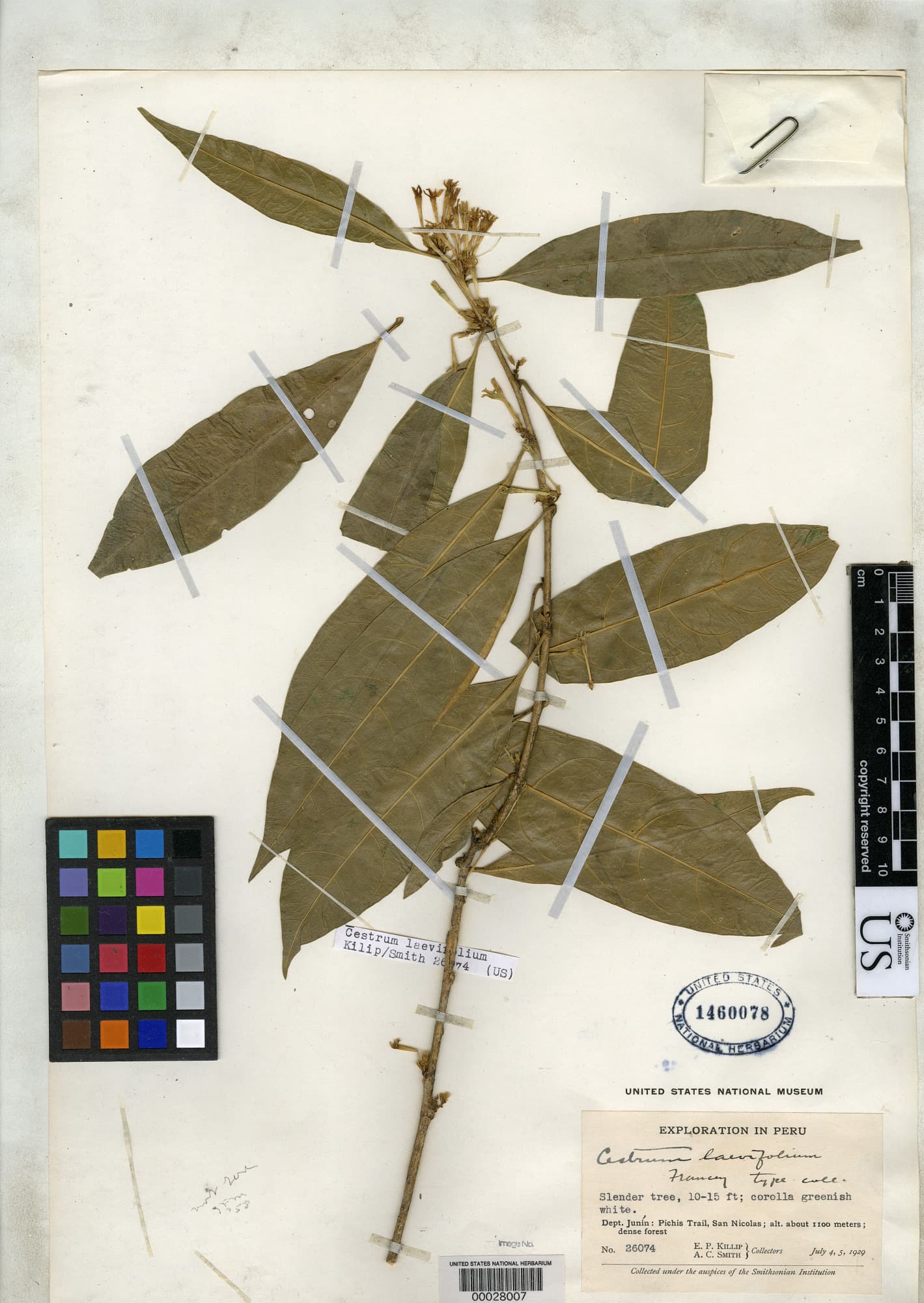
Cultivation NotesThis species is a slender tree native to tropical montane forests. It would likely require a warm, humid climate, well-drained soil, and partial shade conditions mimicking its natural habitat.
Rarityuncommon
Description
A slender tree, typically growing 10-15 feet tall, characterized by smooth, entire leaves that are ovate-lanceolate with prominent venation. It produces greenish-white corolla flowers, often arranged in terminal or axillary clusters.