Convolvulus cephalopodus
NameConvolvulus cephalopodus
Scientific NameConvolvulus cephalopodus
Common NamesCabeza de pulpo
Plant FamilyConvolvulaceae
Natural HabitatEndemic to the Canary Islands, found in dry coastal scrubland, rocky slopes, and sandy areas, typically at lower altitudes.
Parts Usedroot
Medicinal Actionsdiuretic
Traditional UsesSpecific traditional medicinal uses for Convolvulus cephalopodus are not widely documented. However, other species within the Convolvulus genus have historically been used as strong purgatives, primarily from their roots, to induce bowel movements and promote elimination.
Active ConstituentsResin glycosides
Preparation Methodsdecoction, powder
Contraindications & WarningsDue to the presence of potent resin glycosides in the Convolvulus genus, ingestion can cause severe gastrointestinal distress, vomiting, and diarrhea. It should not be used by pregnant or nursing women, children, or individuals with gastrointestinal disorders. Consult a healthcare professional before any use.
Cultivation NotesPrefers full sun and well-drained, sandy or rocky soils. It is drought-tolerant once established and can be propagated by seed or cuttings. Requires a warm, frost-free climate for optimal growth.
Rarityuncommon
Description
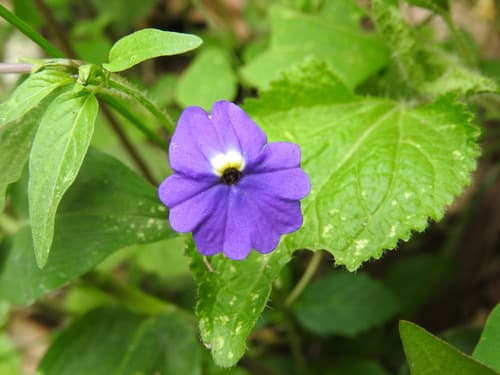
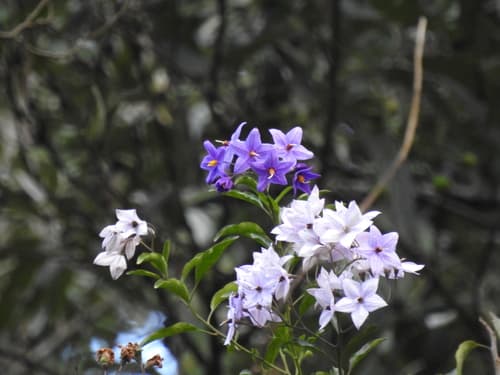
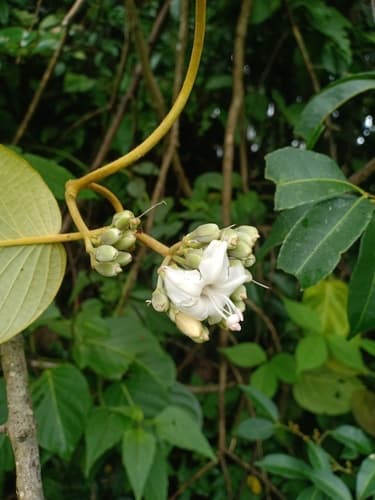
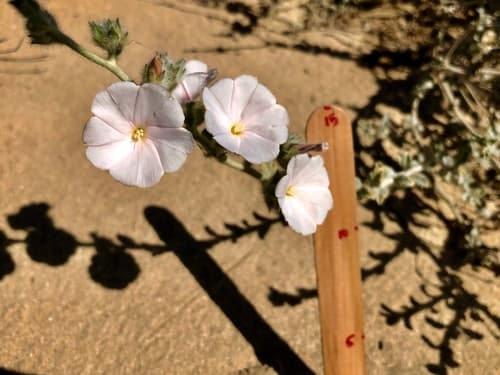
Convolvulus cephalopodus is a perennial herbaceous plant endemic to the Canary Islands, characterized by its prostrate or scrambling habit and hairy stems. It produces funnel-shaped flowers, typically pale pink to white with a yellowish center, and ovate to lanceolate, often silvery-hairy leaves. The plant is known for its distinctive root structure, which gives it its common Spanish name.