Cacao
NameCacao
Scientific NameTheobroma cacao
Common NamesCacao, Cocoa Tree
Plant FamilyMalvaceae
Natural HabitatNative to the understory of tropical rainforests in Central and South America, thriving in warm, humid climates with consistent rainfall and partial shade. It requires well-drained, fertile soil.
Parts Usedseed,fruit
Medicinal Actionsantioxidant, anti-inflammatory, astringent, diuretic, nervine
Traditional UsesTraditionally revered by ancient Mesoamerican civilizations, cacao was used as a sacred beverage, a stimulant, and a mood enhancer. It was also employed for various ailments including fatigue, fever, and digestive issues, and even as currency. Modern traditional uses often focus on its cardiovascular benefits and general well-being.
Active ConstituentsTheobromine, Caffeine, Flavonoids, Anandamide, Phenylethylamine (PEA)
Preparation Methodsinfusion, decoction, powder, salve
Contraindications & WarningsHigh consumption can lead to stimulant-like side effects such as insomnia, nervousness, and increased heart rate due to caffeine and theobromine content. It may interact with stimulant medications and blood thinners. Individuals sensitive to oxalates should consume in moderation.
Cultivation NotesCacao trees require a tropical climate (USDA zones 10-11) with high humidity, consistent warmth (20-30°C), and protection from direct sunlight and strong winds. They prefer rich, well-drained soil and are typically grown from seed.
Raritycommon
Description
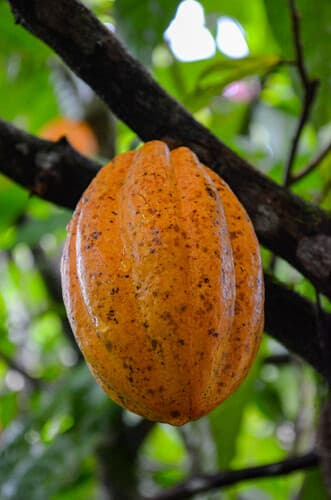
A small evergreen tree native to the deep tropical regions of Mesoamerica, known for its distinctive ribbed fruit pods that grow directly from the trunk and branches. These pods contain seeds (beans) which are the primary ingredient for chocolate and cocoa products.