Convolvulus boissieri
NameConvolvulus boissieri
Scientific NameConvolvulus boissieri
Common NamesBoissier's Bindweed, Silvery Bindweed
Plant FamilyConvolvulaceae
Natural HabitatNative to mountainous regions of the Iberian Peninsula (Spain) and North Africa, it typically grows in rocky, calcareous soils, scree slopes, and subalpine pastures, often at high altitudes.
Parts Usedwhole_plant
Medicinal Actionsantioxidant, astringent
Traditional UsesSpecific traditional medicinal uses for Convolvulus boissieri are not widely documented in ethnobotanical literature. However, other species within the Convolvulus genus are traditionally known for their strong purgative properties, often used as laxatives, though these effects are generally attributed to resin glycosides found primarily in the roots.
Active Constituentsresin glycosides, alkaloids, tannins
Preparation Methodsdecoction, powder
Contraindications & WarningsWhile specific contraindications for Convolvulus boissieri are not well-documented, many species in the Convolvulus genus contain potent resin glycosides that act as strong purgatives. Ingesting these can lead to severe gastrointestinal upset, dehydration, and electrolyte imbalance. Use of related species is generally contraindicated in pregnancy, lactation, and for individuals with inflammatory bowel conditions or other digestive disorders.
Cultivation NotesConvolvulus boissieri thrives in full sun and requires extremely well-drained, gritty or sandy soil, ideally alkaline. It is highly drought-tolerant once established and is suitable for rock gardens or xeriscaping in Mediterranean or alpine climates, preferring a dry, hot environment.
Rarityuncommon
Description
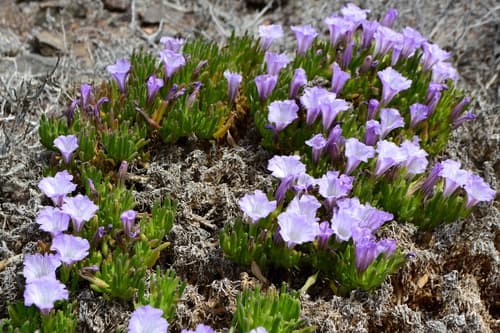
Convolvulus boissieri is a low-growing, mat-forming perennial herb characterized by its dense covering of silvery-white, woolly hairs on its small, spatulate leaves. It produces delicate, funnel-shaped flowers, typically pale pink with a white throat, emerging from the leaf axils.