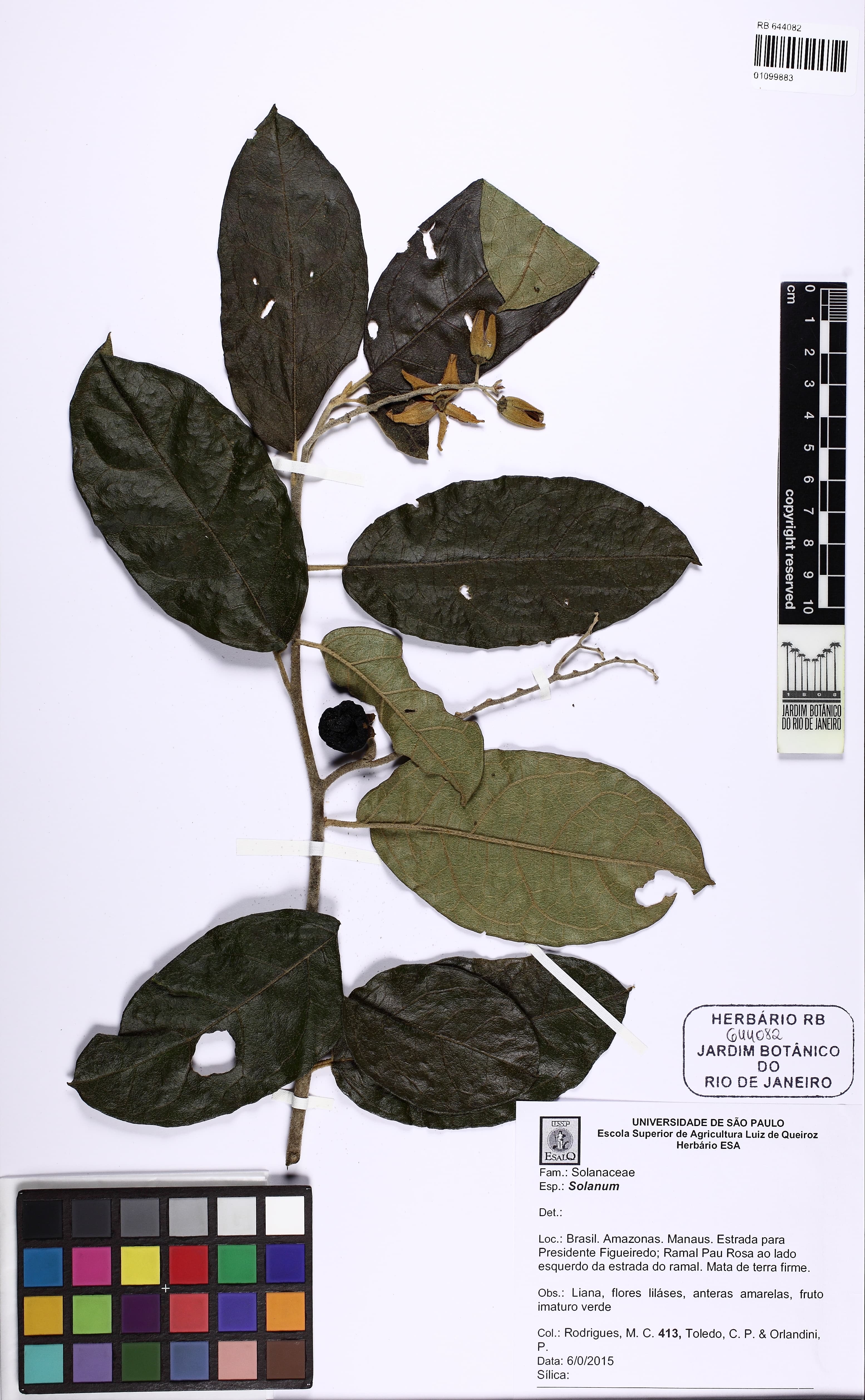
Convolvulus ammannii
NameConvolvulus ammannii
Scientific NameConvolvulus ammannii
Common NamesAmmann's Bindweed
Plant FamilyConvolvulaceae
Natural HabitatNative to Eastern Europe and parts of Central Asia, this plant thrives in dry grasslands, steppes, sandy soils, and disturbed areas. It prefers full sun exposure and well-drained conditions.
Parts Usedwhole_plant,root,leaf,flower
Medicinal Actionsanti-inflammatory, antioxidant, astringent, diuretic
Traditional UsesWhile specific traditional uses for Convolvulus ammannii are not widely documented, other species within the Convolvulus genus have historically been used in folk medicine for their cleansing properties, to support digestive regularity, and topically for wound healing due to their astringent nature.
Active Constituentsresin glycosides, flavonoids, tannins
Preparation Methodsinfusion, decoction, tincture, powder
Contraindications & WarningsDue to the presence of resin glycosides common in the genus, high doses may cause severe gastrointestinal upset. It should be avoided by pregnant or nursing women, individuals with gastrointestinal disorders, and those on medications that may interact with laxative effects.
Cultivation NotesThis plant prefers full sun and well-drained soil, showing good drought tolerance once established. It can spread readily by seed and rhizomes, potentially becoming invasive in suitable conditions.
Rarityuncommon
Description
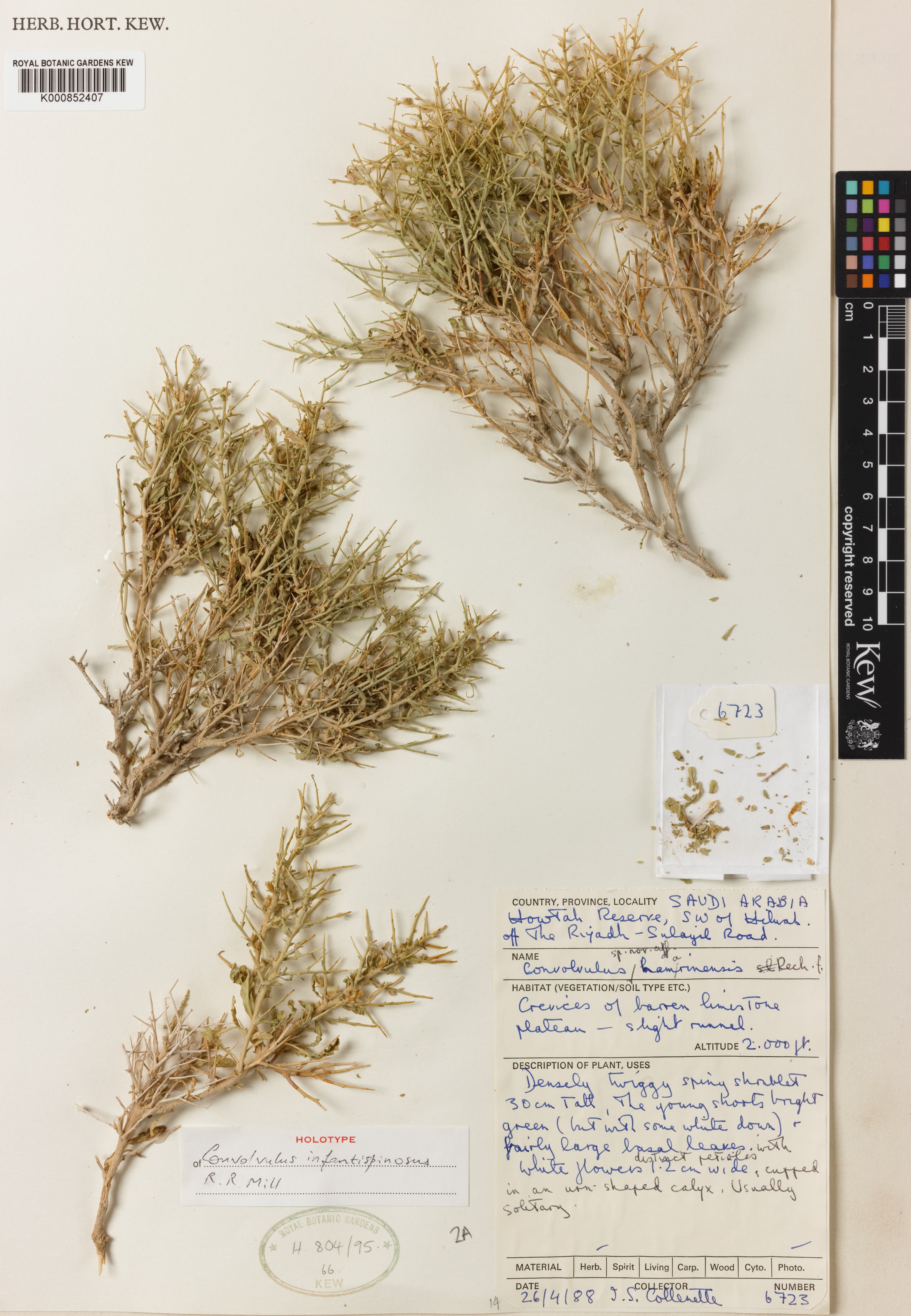
Convolvulus ammannii is a perennial herbaceous plant characterized by its prostrate or ascending stems and grayish-green, often hairy, linear to spatulate leaves. It produces funnel-shaped flowers, typically white to pale pink with a yellowish throat, emerging from the leaf axils.