Comfrey
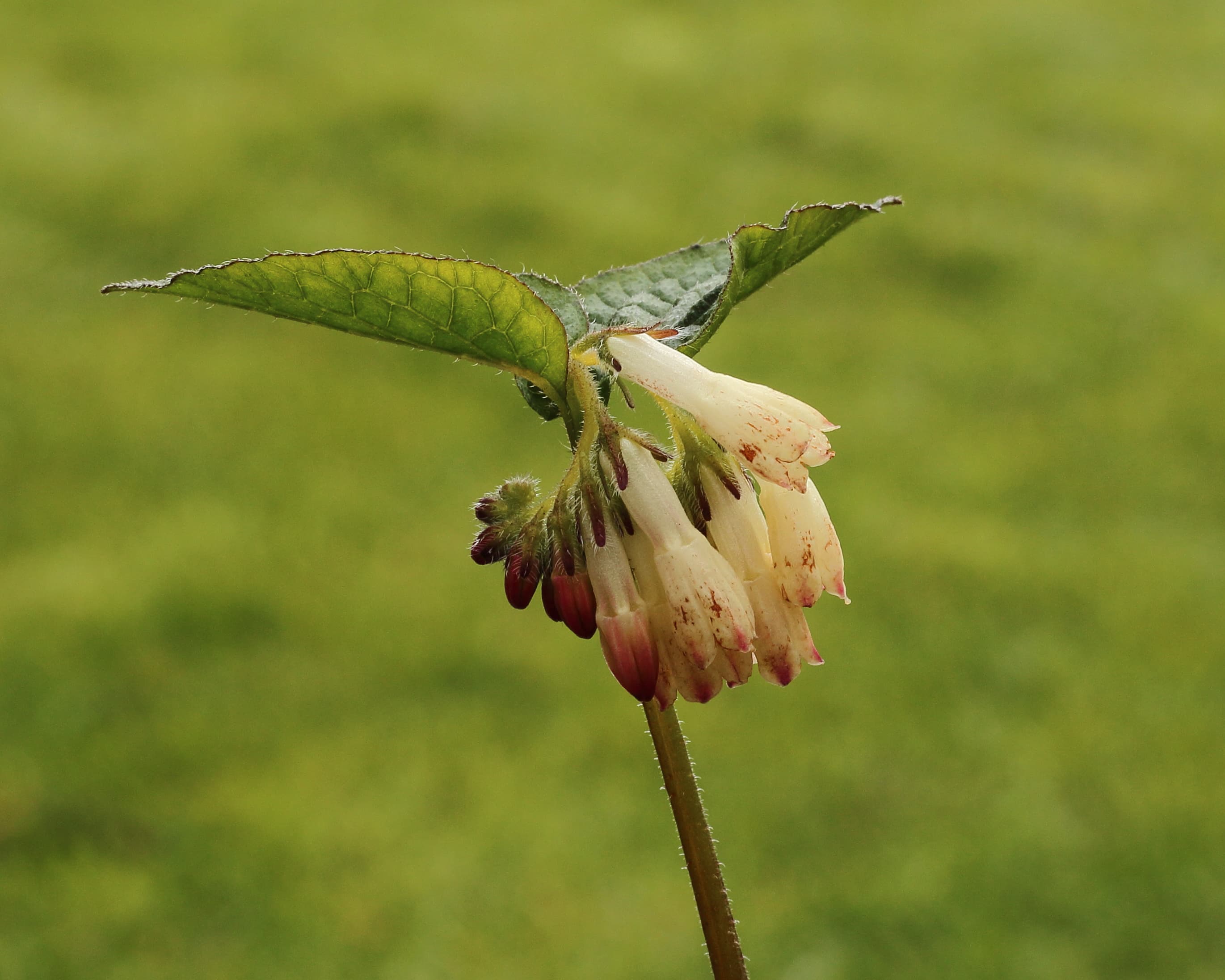
Image: Dominicus Johannes Bergsma (CC BY-SA 3.0)
NameComfrey
Scientific NameSymphytum officinale
Common NamesComfrey, Common Comfrey, Knitbone, Boneset, Bruisewort
Plant FamilyBoraginaceae
Natural HabitatNative to Europe and parts of Asia, Comfrey thrives in damp, grassy places, meadows, riverbanks, ditches, and woodland edges. It prefers moist, fertile soil and partial shade to full sun.
Parts Usedleaf,root
Medicinal Actionsanti-inflammatory, demulcent, astringent
Traditional UsesTraditionally, Comfrey has been highly valued for its ability to promote healing of bones, sprains, bruises, and skin wounds, earning it the nickname "knitbone." It was historically used externally as poultices or compresses for fractures, dislocations, and skin irritations, and internally for digestive issues, though internal use is now strongly discouraged due to toxicity.
Active ConstituentsAllantoin, Pyrrolizidine alkaloids, Mucilage, Tannins
Preparation Methodspoultice, tincture, salve, powder
Contraindications & WarningsNOT for internal use due to hepatotoxic pyrrolizidine alkaloids (PAs). Avoid use on broken skin, during pregnancy or lactation, and in children. Do not use for prolonged periods. Consult a healthcare professional before use, especially if taking other medications.
Cultivation NotesComfrey is easy to grow, preferring moist, rich soil and full sun to partial shade. It is a vigorous plant that can spread rapidly and is often used as a dynamic accumulator in permaculture for its deep roots bringing up nutrients.
Raritycommon
Description
Comfrey is a robust herbaceous perennial characterized by its large, hairy leaves and clusters of bell-shaped flowers, which can range in color from purple to pink, cream, or white. The plant typically grows to a height of 1-3 feet, featuring a thick, black, turnip-like root.