Opium poppy
NameOpium poppy
Scientific NamePapaver somniferum
Common NamesOpium poppy, Breadseed poppy, Garden poppy
Plant FamilyPapaveraceae
Natural HabitatNative to the eastern Mediterranean region, it is widely cultivated globally in temperate climates. It can also be found as a garden escapee or naturalized in disturbed areas, roadsides, and fields.
Parts Usedseed,whole_plant
Medicinal Actionsanalgesic, sedative
Traditional UsesTraditionally, the latex from the unripe seed pods (opium) has been used as a potent analgesic and sedative to relieve severe pain, induce sleep, and suppress coughs. The seeds, however, are used culinarily and contain negligible amounts of alkaloids, often used for their mild demulcent properties.
Active ConstituentsMorphine, Codeine, Thebaine, Papaverine, Noscapine
Preparation Methodsinfusion, powder, tincture
Contraindications & WarningsHighly addictive and potentially fatal due to respiratory depression. Use of opium or its derivatives is illegal without strict medical supervision in many countries. Side effects include severe constipation, nausea, vomiting, and profound sedation. Not for use by pregnant or nursing women, or individuals with respiratory conditions.
Cultivation NotesAn annual plant that prefers full sun and well-drained soil. It is typically grown from seed sown directly in early spring. Requires minimal care once established but can be susceptible to fungal diseases in overly wet conditions.
Raritycommon
Description
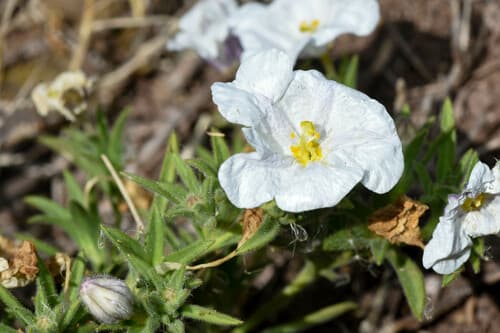
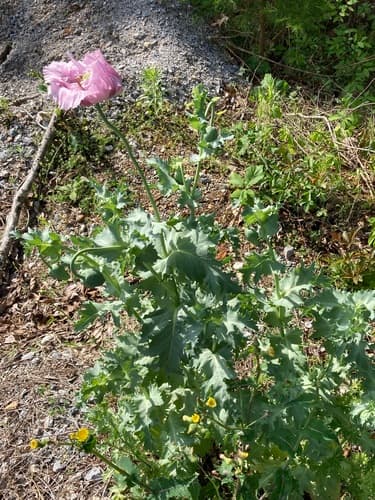
An annual herbaceous plant characterized by its glaucous, lobed leaves, erect stems, and large, showy flowers, which can range in color from white to pink, red, or purple. The plant produces a distinctive capsule (seed pod) after flowering, which is the source of opium latex when unripe.