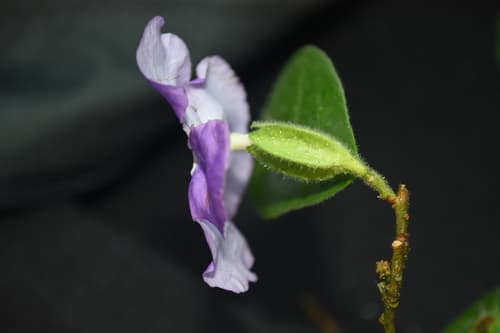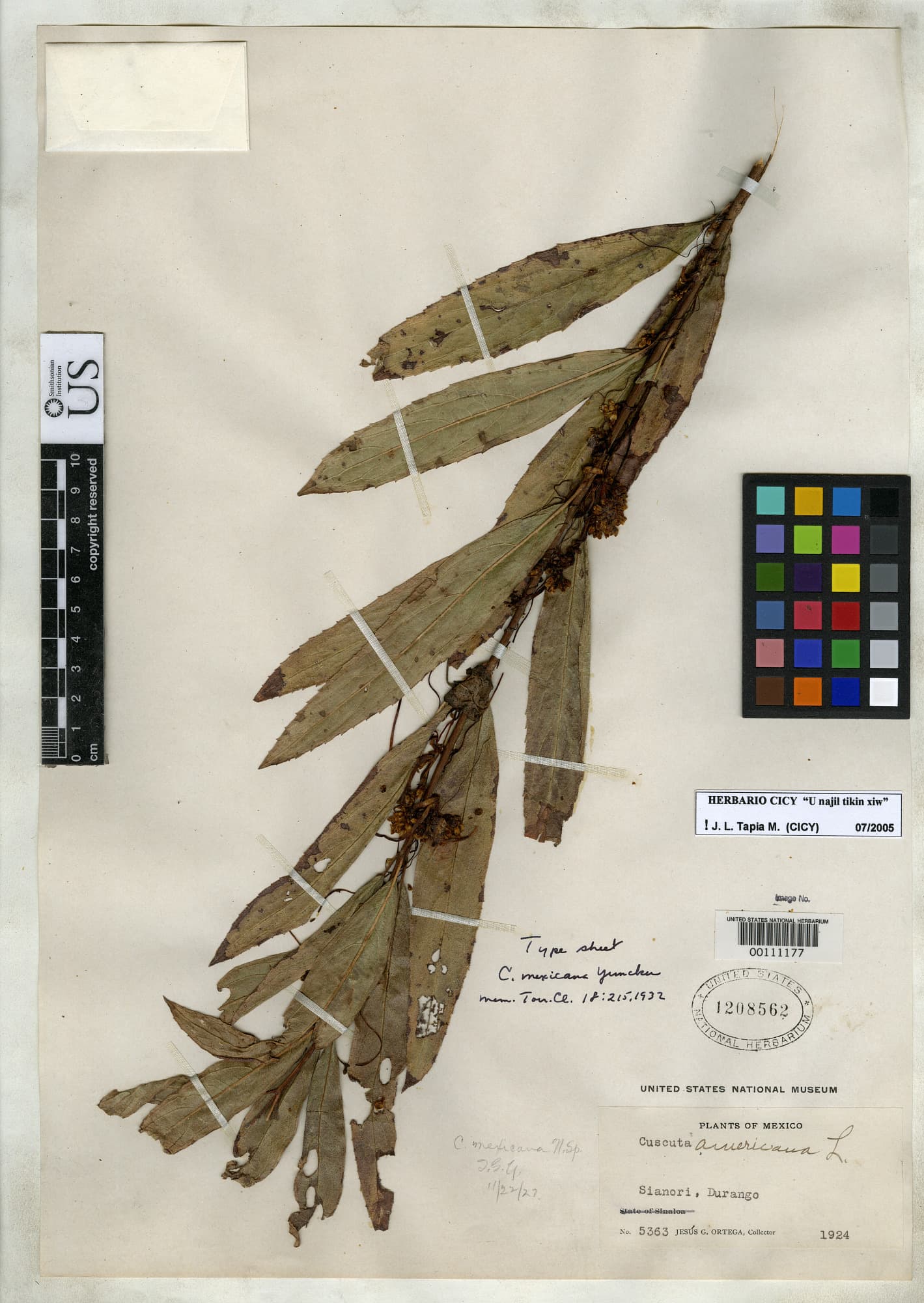
Cuscuta mexicana
Image: Ingrid P. Lin (cc0)
NameCuscuta mexicana
Scientific NameCuscuta mexicana Yunck.
Common NamesMexican Dodder, Dodder, Love Vine
Plant FamilyConvolvulaceae
Natural HabitatThis parasitic plant thrives in warm temperate to tropical regions, typically found in disturbed areas, fields, roadsides, and open woodlands, where it parasitizes a wide range of herbaceous and woody host plants.
Parts Usedwhole_plant,seed
Medicinal Actionsadaptogen, anti-inflammatory, antioxidant, astringent, diuretic
Traditional UsesWhile specific traditional uses for Cuscuta mexicana are less documented than for other Cuscuta species (like C. chinensis), Cuscuta seeds (Tu Si Zi) are traditionally used in herbal medicine to tonify the kidney and liver, improve vision, strengthen bones, and address issues like impotence, premature ejaculation, and frequent urination. The whole plant may also be used for similar purposes.
Active ConstituentsFlavonoids, Lignans, Polysaccharides, Saponins
Preparation Methodsinfusion, decoction, tincture, powder
Contraindications & WarningsGenerally considered safe in appropriate doses, but caution is advised during pregnancy and lactation. Traditional systems may advise against use in cases of excess heat or dampness. Consult a healthcare professional before use.
Cultivation NotesCuscuta mexicana is a parasitic plant and cannot be cultivated independently; it requires a living host plant to grow and complete its life cycle. It is often considered a weed in agricultural settings.
Raritycommon
Description
Cuscuta mexicana is an annual, holoparasitic vine characterized by its slender, leafless, yellowish-orange to reddish stems that twine tightly around host plants. It lacks chlorophyll and obtains all nutrients through haustoria that penetrate the host's vascular system, producing small, whitish flowers in clusters.